| Piú votate - The Moon After Apollo 17 |
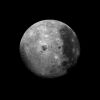
The Moon - Far Side - Galileo.JPGThe "Far-Side" of the Moon, from Galileo100 visitenessun commento
(8 voti)
|
|

The Moon-04.jpgThe Moon, in red filter, from Mars Reconnaissance Orbiter (4)86 visitenessun commento
(8 voti)
|
|

Clavius GIF.gifClavius...on line!172 visiteUno spettacolare lavoro (davvero!) dell'Astronomo Robert Spellman (www.angelfire.com) il quale, nel tentativo di fissare su pellicola qualche TLP, ci ha regalato delle immagini davvero superbe di alcuni grandi (e famosi) Crateri Lunari e, come in questo caso, dei minifilmati GIF che ci fanno provare l'ebbrezza di essere "in diretta con la Luna", anche se siamo seduti davanti al nostro pc.
Un ottimo lavoro: i TLP "on line"...Verranno (almeno questo è quanto gli e ci auguriamo!).
(8 voti)
|
|

PythagorasCrater_smart_m1.jpgPythagoras Crater from Smart 1145 visiteOmbre affilate si stagliano dal picco centrale e dalle pareti "a terrazza" del Cratere Pitagora, uno dei "Grandi Crateri Lunari", avente un diametro di ben 120 Km. Questa visione del Cratere è il risultato di un fotomosaico ottenuto grazie alle immagini ricevute dalla Navicella ESA "SMART-1".
Il "picco centrale" - una caratteristica ripetitiva dei più grandi e complessi "crateri da impatto" Lunari (e non!) - potrebbe essere la conseguenza del "rimbalzo" e del successivo (nonché repentino) solidificarsi di grandi quantitativi di materiale roccioso il quale, a causa delle enormi temperature prodottesi a seguito dell'impatto, si è in parte liquefatto.
Spinta da un "propulsore ionico" di nuova concezione, la Navicella SMART-1 è entrata in orbita attorno alla Luna nel Novembre 2004 dopo una crociera di collaudo durata ben 13 (!) mesi.
SMART-1 (acronimo per Small Missions for Advanced Research in Technology), nei prossimi mesi, passerà ripetutamente accanto alla Luna ad altezze variabili dai 1000 ai 5000 Km.
(8 voti)
|
|

The Moon from Galileo-gal_p37329.jpgThe Western Hemisphere of the Moon from Galileo119 visiteCaption NASA originale:"Galileo color image of the Moon showing the western hemisphere and Orientale Basin.
The Orientale Basin is just left of the center of the image, at 20° S, 265° E, and has a diameter of about 1000 Km. The right side of the image is on the Moon's near side and left on the far side. The dark area at upper right is Oceanus Procellarum while below it is the circular Mare Humorum. The dark region at lower left is the South-Pole-Aitken basin. The image was produced from three exposures, through violet, red, and near-IR filters, from roughly 560,000 km. (Galileo, P-37329)".
(8 voti)
|
|

Copernicus.jpgThe Area of Copernicus Crater211 visiteIn questa immagine, invece, l'area ripresa è sempre quella del Cratere Copernico, ma il mezzo impiegato è la Sonda Galileo, in transito vicino alla Luna e diretta verso Giove.
(8 voti)
|
|

ZZ-ZZ-U-Flash-MeteorImpact-Moon.gifMeteor Strike on the New Moon's limb? (GIF-Movie)205 visiteTLP? No: questo GIF-Movie ci mostra - e MOLTO bene! - l'effetto luminoso prodotto da un bolide che impatta la Luna. Un rapido lampo particolarmente intenso ("Primary Flash" o "bagliore da impatto") e quindi una serie di lampi ulteriori - dovete osservare il filmato varie volte per riuscire a coglierli - che degradano in una debole luminescenza la quale, infine, viene avvolta dall'oscurità ("Secondary Flashes" o "bagliori secondari da impatto").
Ora, la domanda che ci è stata rivolta è questa: i "Lunar Flash" derivanti da (o connessi a) Meteor Strikes (o Impatti Meteorici) possono essere considerati del Transient Lunar Phoenomena?
Ebbene, se - da un certo punto di vista - ogni fenomeno estemporaneo (ergo anche il lampo di luce derivante da un impatto) è, per definizione, un "Evento Transiente", la Verità, se non altro a parere di chi scrive, è che i TLP "Puri" NON RICOMPRENDONO i bagliori da impatto.MareKromium
(7 voti)
|
|

First Moon-1.jpgFirst Moon69 visitenessun commento
(7 voti)
|
|

ZZ-ZZ-ZZ-Crater 297.jpgCrater 297 and "artificial blurring" over the Moon189 visiteUn bellissimo fotomosaico regalatoci dal Dr Alessio Feltri per vedere non solo la zona sorvolata dall'Apollo 10 al momento del suo 'strano incontro' con quello che abbiamo definito "space debris" (rottame spaziale), ma anche un (nuovo) esempio di come la NASA (o chi per essa...) manipola, altera ed infine confonde le immagini (probabilmente) imbarazzanti della superficie lunare.
Scopo della sfuocatura che vediamo nel frame Clementine alla Vostra Dx? Beh, noi non lo sappiamo, ma Voi potete sempre provare a chiedere lumi alla NASA...
(7 voti)
|
|

Moon Panorama - 0.jpgMoon Panorama (1)101 visitenessun commento
(7 voti)
|
|

Apollo 11 Landing Site-03 lab..jpgThe Apollo 11 Landing Site (2)176 visitenessun commento
(7 voti)
|
|

Apollo 11 Landing Site-00.jpgThe Apollo 11 Landing Site (1)174 visitenessun commento
(7 voti)
|
|
| 165 immagini su 14 pagina(e) |
 |
|
4 | |
|
|
|
|
|
|
|








