Inizio Registrati Login

Elenco album Ultimi arrivi Ultimi commenti Più viste Più votate Preferiti Cerca

Inizio > MOON > The Moon through LRO
Ritorna alla pagina delle miniature FILE 27/69 Torna all'inizio Guarda foto precedente Guarda foto successiva Salta alla fine
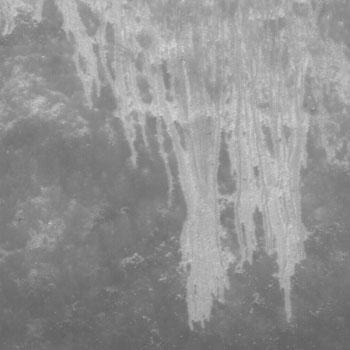
Landslides or unusual Surface-decoloration in Marius Crater?
Impact Events, Volcanism, and Tectonism form the majority of features found on the Moon. However, Landslides are an important modifier of the landscape at small scales. 
Ultimately, the source of Landslides are Seismic Events triggered by Impacts or movements deep inside the Moon. These shaking events cause poorly consolidated material on steep slopes to slide downhill. 

In this case the slide spreads out in a complex of narrow finger-like streamers. What controls this distinctive pattern? The process is controlled by the energy of the shaking, the size of particles in the slide, the steepness of the slope, and volume of the source deposit. 
Mars also has many Landslide Deposits, so scientists are using the new LROC data to compare with these martian counterparts.

Marius Crater (approx. 41 Km diameter) is located in Oceanus Procellarum (11,9° North and 50,8° West) and is notable for its mare filled floor (unequivocal evidence that it formed before before the surrounding mare basalts flooded the Region).
Parole chiave: The Moon from orbit - Craters - Marius Crater

Landslides or unusual Surface-decoloration in Marius Crater?

Impact Events, Volcanism, and Tectonism form the majority of features found on the Moon. However, Landslides are an important modifier of the landscape at small scales.
Ultimately, the source of Landslides are Seismic Events triggered by Impacts or movements deep inside the Moon. These shaking events cause poorly consolidated material on steep slopes to slide downhill.

In this case the slide spreads out in a complex of narrow finger-like streamers. What controls this distinctive pattern? The process is controlled by the energy of the shaking, the size of particles in the slide, the steepness of the slope, and volume of the source deposit.
Mars also has many Landslide Deposits, so scientists are using the new LROC data to compare with these martian counterparts.

Marius Crater (approx. 41 Km diameter) is located in Oceanus Procellarum (11,9° North and 50,8° West) and is notable for its mare filled floor (unequivocal evidence that it formed before before the surrounding mare basalts flooded the Region).

LRO-2500-Epigenes_A_Crater-3.jpg LRO-2500-Epigenes_A_Crater-1.jpg LRO-2500-Marius_Crater.jpg LRO-2500-Saha_E_Crater.jpg LRO-2501-Oceanus_Procellarum~0.jpg
Informazioni sul file
Nome del file:LRO-2500-Marius_Crater.jpg
Nome album:MareKromium / The Moon through LRO
Valutazione (2 voti):55555(Mostra dettagli)
Parole chiave:The / Moon / from / orbit / - / Craters / - / Marius / Crater
Copyright:NASA - LROC Project
Dimensione del file:17 KiB
Data di inserimento:Feb 25, 2010
Dimensioni:350 x 350 pixels
Visualizzato:60 volte
URL:https://www.lunexit.it/gallery/displayimage.php?pid=26352
Preferiti:Aggiungi ai preferiti


Powered by Coppermine Photo Gallery