| Piú votate - MOON |
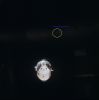
APOLLO_14_AS_14-66-9350_(HR).jpgAS 14-66-9350 (HR) - Looking for the Blue Flare... (21)66 visitenessun commentoMareKromium
(6 voti)
|
|

APOLLO_14_AS_14-66-9339_(HR).jpgAS 14-66-9339 (HR) - Looking for the Blue Flare... (19)55 visitenessun commentoMareKromium
(6 voti)
|
|

APOLLO_14_AS_14-66-9316_(HR).jpgAS 14-66-9316 (HR) - Looking for the Blue Flare... (16)56 visitenessun commentoMareKromium
(6 voti)
|
|

APOLLO_14_AS_14-66-9320_(HR).jpgAS 14-66-9320 (HR) - Looking for the Blue Flare... (16)55 visitenessun commentoMareKromium
(6 voti)
|
|

APOLLO_14_AS_14-66-9299_HR.jpgAS 14-66-9299 (HR) - Looking for the Blue Flare... (11)57 visitenessun commentoMareKromium
(6 voti)
|
|
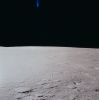
APOLLO_14_AS_14-66-9295_(HR).jpgAS 14-66-9295 (HR) - Looking for the Blue Flare... (7)58 visitenessun commentoMareKromium
(6 voti)
|
|
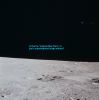
APOLLO_14_AS_14-66-9297_(HR).jpgAS 14-66-9297 (HR) - Looking for the Blue Flare... (9)72 visitenessun commentoMareKromium
(6 voti)
|
|
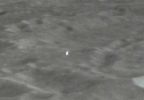
APOLLO_15_-_AS_15-87-11729-01.jpgAS 15-87-11729-1 - Orbital Transient (possible Fast-Walker)406 visiteLa forma a "Doppia-Sfera" della probe in questione è evidente, così come è evidente la leggera luminescenza azzurra che è (apparentemente) generata dalla sfera più lontana rispetto al punto di vista dell'Osservatore.
Caption NASA relativa al context frame originale:"Dave (Scott) took this picture of Tsiolkovsky on Rev. 14 from the LM when they were at an altitude of about 90 Km (from the Lunar Surface).
This is the last image on the magazine taken prior to the landing".MareKromium
(6 voti)
|
|

APOLLO_15_AS_15-M-R71-2623.jpgAS 15-M-R71-2623 - Scaliger Crater58 visiteCoord.: 24,5° North Lat. and 68° West Long.
Lens Focal Length: 3"
Camera Tilt: 40°
Camera Azimuth: 174
Camera Altitude: 104 Km
Sun Elevation (on local horizon): - 1°
(6 voti)
|
|

APOLLO_15_AS_15-M-R70-2457.jpgAS 15-M-R70-2457 - Timocharis Crater56 visiteCoord.: 25,5° North Lat. and 15,5° West Long.
Lens Focal Length: 3"
Camera Tilt: VERT
Camera Altitude: 113 Km
Sun Elevation (on local horizon): 44°
Nota: l'area molto luminosa che si vede nella porzione superiore del frame potrebbe essere la conseguenza di una sovraesposizione e non essere - necessariamente - una zona ad albedo superiore alla media regionale.
(6 voti)
|
|

APOLLO_15_AS_15-M-R34-1309.jpgAS 15-M-R34-1309 - The illuminated peak and rim of Barbier Crater58 visiteCoord.: 25° South Lat. and 155° East Long.
Lens Focal Length: 3"
Camera Tilt: 25°
Camera Azimuth: 85
Camera Altitude: 112 Km
Sun Elevation (on local horizon): - 4°
Nota: qualcuno si potrebbe chiedere come mai, con elevazione del Sole (sull'orizzonte locale) ancora negativa - ergo con Sole non ancora sorto -, già si vede che il picco centrale e parte del bordo del Barbier Crater sono illuminati. Interrogativo legittimo, risposta necessaria: perchè l'elevazione del Sole (sull'orizzonte locale) viene calcolata con riferimento al "datum lunare", e cioè l'altitudine "0".
E' evidente che, in caso di rilievi particolarmente elevati (come quelli che appaiono nel caso di specie), può essere ancora notte al "datum", ma già giorno su un picco o nei pressi della sommità di un rilievo comunque prominente.MareKromium
(6 voti)
|
|

APOLLO_17_AS_17-M-R26-0828.jpgAS 17-M-R26-0828 - Racah Crater61 visiteCoord.: 16,5° South Lat. and 180° West Long.
Lens Focal Length: 3"
Camera Tilt: 40°
Camera Azimuth: 7
Camera Altitude: 118 Km
Sun Elevation (on local horizon): 3° MareKromium
(6 voti)
|
|
| 2188 immagini su 183 pagina(e) |
 |
|
|
|
|
21 | |
|
|
|
|





