| Piú votate |
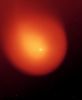
Comets-Comet_Holmes-UZ_PIA11228-1.jpgComet 17-P Holmes now in the Outer Solar System (IR)59 visiteNASA's Spitzer Space Telescope captured the picture of comet Holmes in March 2008, 5 months after the comet suddenly erupted and brightened a millionfold overnight. The contrast of the picture has been enhanced (see the next frame) to show the anatomy of the comet.
Every 6 years, comet 17P/Holmes speeds away from Jupiter and heads inward toward the Sun, traveling the same route typically without incident. However, twice in the last 116 years, in November 1892 and October 2007, comet Holmes mysteriously exploded as it approached the Asteroid Belt. Astronomers still do not know the cause of these eruptions.
Nota Lunexit: la "causa" di queste repentine eruzioni della Cometa 17-P Holmes le quali avvengono - guarda caso - durante il transito della medesima attraverso la Fascia degli Asteroidi potrebbe essere RAGIONEVOLMENTE rinvenuta nella verificazione di impatti con corpi erranti di piccole/piccolissime dimensioni (l'occorrere di impatti con uno o più oggetti di dimensioni medie o medio/grandi porterebbe inevitabilmente alla frammentazione/distruzione completa del nucleo di 17-P Holmes ed alla sua relativa e definitiva sparizione). Che gli "outbursts" possano essere (anche) l'ovvia conseguenza di un impatto ad altissima velocità è stato recentemente dimostrato dall'esperimento (come ricorderete contestatissimo) effettuato dalla NASA sulla Cometa Tempel-1, la quale fu centrata da un'ogiva metallica e, all'atto dello "scontro spaziale", aumentò la sua luminosità in maniera agevolmente percepibile anche da Terra.MareKromium
(9 voti)
|
|

The_CTA-1_Nebula.jpgDark Pulsar in CTA 160 visite"...Non domus et fundus, non aeris acervus et auri aegroto corpore domini febres deduxit..."
(Orazio)
"...Non esiste casa, nè podere, nè mucchio d'oro o di bronzo che possa scacciare le malattie..." (trad. libera)MareKromium
(9 voti)
|
|
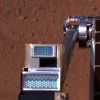
PHOE-SOL116-PIA11224.jpgLights OFF - Sol 116 (approximate colors; credits: NASA)59 visiteCAption NASA:"This approximate color image is a view of NASA's Phoenix Mars Lander's Robotic Arm Camera (RAC) as seen by the Lander's Surface Stereo Imager (SSI). This image was taken on the afternoon of the 116th Martian day, or Sol, of the mission (such as September 22, 2008). The RAC is about 8 cm (3" - inches) tall.
The SSI took images of the RAC to test both the light-emitting diodes (LEDs) and cover function. Individual images were taken in three SSI filters that correspond to the red, green, and blue LEDs one at a time.
This yields proper coloring when imaging Phoenix's surrounding Martian Environment".MareKromium
(9 voti)
|
|

NGC-0346.jpgNGC 346 - Open Star Cluster75 visite"...Let us choose what is right; let us determine among ourselves what is good..."
- Job 34:4MareKromium
(9 voti)
|
|

PSP_008234_2405_red-PCF-LXTT.jpgPeriglacial Landscape in Northern Tempe Terra (Enhanced Natural Colors; credits for the additional process. and color.: Dr Paolo C. Fienga - Lunexit Team)59 visitenessun commentoMareKromium
(9 voti)
|
|

PinkFingers.jpgThe Pink Fingers of Dawn (by Roberto Tremolada)66 visitenessun commentoMareKromium
(9 voti)
|
|
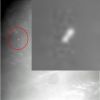
OPP-SOL1647-1P274394613ESF90PDP2445L7M11N274394080EDN90PDP1588R0M1-02.jpgAlien Probe or Image-Artifact? - Sol 1647 (credits: Dr G. Barca)116 visitenessun commentoMareKromium
(9 voti)
|
|
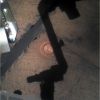
OPP-SOL1430-1_copia2.jpgThe Human Mark, inside Victoria - Sol 1430 (Natural Colors; credits: Dr G. Barca)59 visitenessun commentoMareKromium
(9 voti)
|
|

SOL1366-2P247638865EFFAWCCP2414L7M1~0.jpgThe "Silver Sphere", from far away! - Sol 1366 (True Colors; credits: Lunexit)101 visiteL'avevamo cercata a lungo, usando le immagini panoramiche scattate da Spirit dalla sommità della Collina "Husband" e, alla fine (anche con un pò di fortuna...) l'abbiamo ritrovata: è la Silver Sphere.
La sua albedo, elevata al punto da rendere questo rilievo del tutto unico e peculiare, ci ha permesso l'identificazione del dettaglio controverso anche da una distanza che stimiamo essere superiore ad (almeno) i 1500/1700 metri dal Rover.
Sono passati più di tre anni da quando la vedemmo per la prima volta e, se si fosse davvero trattato di un'estrusione di ghiaccio (come noi stessi fummo propensi a pensare), a questo punto essa sarebbe svanita (sciolta o sublimata, a seconda della Corrente di Pensiero che preferite).
Ed invece no: la Silver Sphere è sempre lì, brillante ed enigmatica.
Di che cosa si tratta, allora? Se non è "ghiaccio", che cos'è? Guardate e giudicate Voi stessi...Le Vostre idee ed opinioni saranno SEMPRE benvenute!MareKromium
(9 voti)
|
|

Pseudomars.jpgPseudo-Mars (by Dr Marco Faccin)70 visitenessun commentoMareKromium
(9 voti)
|
|
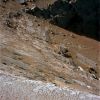
OPP-SOL975-1.jpgThe Inner Rim of Victoria Crater - Sol 975 (True Colors; credits: Dr G. Barca)64 visitenessun commentoMareKromium
(9 voti)
|
|
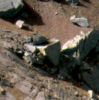
OPP-SOL975-3.jpgUnusual Surface Feature inside Victoria - Sol 975 (True Colors; credits: Dr G. Barca)59 visitenessun commentoMareKromium
(9 voti)
|
|
| 25332 immagini su 2111 pagina(e) |
 |
|
|
|
|
141 | |
|
|
|
|





