| Piú viste - MOON |

25-Farside-Luna3.jpgThe Far-Side of the Moon from "Luna 3"68 visiteCaption NASA originale:"This is the second image returned by Luna 3, taken by the wide-angle lens, it showed the far side of the Moon was very different from the near side, most noticeably in its lack of lunar maria (the dark areas). The right three-quarters of the disk are the far side. The dark spot at upper right is Mare Moscoviense, the dark area at lower left is Mare Smythii. The small dark circle at lower right with the white dot in the center is the crater Tsiolkovskiy and its central peak. The Moon is 3475 Km in diameter and north is up in this image (Luna 3-2)".
|
|

The Moon-01.jpgThe Moon, in blue-green filters, from Mars Reconnaissance Orbiter (2)68 visitenessun commento
|
|

The Moon-02.jpgThe Moon, in infrared, from Mars Reconnaissance Orbiter (3)68 visitenessun commento
|
|
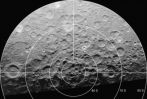
ZZ-ZZ-ZZ-ZZ-ZZ-Lunar South Pole.jpgNo "Lunar Ice" at the South Pole...68 visite"...a new radar survey of the Moon’s Southern Pole has cast doubt on the hope that there might be accessible deposits of water ice in permanently dark craters. This new survey, performed with the Arecibo Observatory in Puerto Rico, found elevated Hydrogen levels in regions of bright sunlight - not just inside the shadowed walls of craters. It seems that scattered rocks associated with impact craters have given previous instruments a false reading...".
|
|

APOLLO 12 AS 12-50-7438-1.jpgAS 12-50-7438 - Shadowland... (HR)68 visitenessun commento
|
|

APOLLO 16 AS 16-118-18885.jpgAS 16-118-18885 - Baja California68 visiteCaption NASA originale:"View of Earth during Trans-Lunar Coast. Baja California is at the center of the image".
|
|

APOLLO_14_AS_14-77-10364a.JPGAS 14-77-10364 (a) - Thermal Degradation Sample68 visiteThermal Degradation Sample; taken in the vicinity of Station "A".MareKromium
|
|

Panoramic-AS15-87-11846-11855.jpgFrom AS 15-87-11846 until 11855 (EVA-2; Hadley Mountain)68 visitenessun commentoMareKromium
|
|
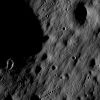
LRO-0001-365431main_nacl000000fd_top_detail.jpgCraters in the Lunar Highlands near Mare Nubium (2)68 visiteNASA's Lunar Reconnaissance Orbiter has transmitted its first images since reaching the moon on June 23, 2209.
The spacecraft's two cameras, collectively known as the Lunar Reconnaissance Orbiter Camera, or LROC, were activated June 30.
The cameras are working well and have returned images of a Region in the Lunar Highlands, South of Mare Nubium (Sea of Clouds).
As the moon rotates beneath LRO, LROC gradually will build up photographic maps of the Lunar Surface.
"Our first images were taken along the Moon's Terminator -- the dividing line between day and night -- making us initially unsure of how they would turn out", said LROC Principal Investigator Mark Robinson of Arizona State University in Tempe.
"Because of the deep shadowing, subtle topography is exaggerated, suggesting a craggy and inhospitable surface. In reality, the area is similar to the region where the Apollo 16 Astronauts safely explored in 1972. While these are magnificent in their own right, the main message is that LROC is nearly ready to begin its mission".MareKromium
|
|
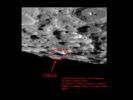
LRO-1005-392781main_800_600_NMSU_3_5m_Agile_preimpact_full.jpgLCROSS impacting the Moon68 visitenessun commentoMareKromium
|
|
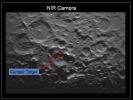
LRO-1013-392902main_LCROSS_2_full.jpgLCROSS Impact Location68 visiteLCROSS impact crater as seen with the Near InfraRed (NIR) camera.MareKromium
|
|
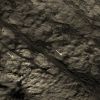
LRO-2500-Epigenes_A_Crater-2~0.jpgEpigenes A (Natural Colors; credits: Dr Paolo C. Fienga - Lunexit Team)68 visitenessun commentoMareKromium
|
|
| 2195 immagini su 183 pagina(e) |
 |
|
|
|
|
156 | |
|
|
|
|





