| Piú viste |
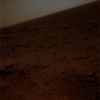
SOL0424-2N164014519EFFA8B3P1705R0M1.jpgDark Days on Mars... - Sol 424 (Absolute Natural Colors; credits for the additional process. and color.: Dr Paolo C. Fienga - Lunexit Team)67 visitenessun commentoMareKromium
|
|

PSP_003595_2115_RED_browse~0.jpgOlympus' Aureole (Absolute Natural Colors; credits for the additional process. and color.: Dr Paolo C. Fienga - Lunexit Team)67 visiteThis image samples the rugged central portion of the mysterious "aureole" that extends to the West and North of Olympus Mons.
While many ideas for its formation have been advanced over the decades, these days it is generally thought to be a giant landslide deposit. The scene here fits that model with kilometer-scale (mile-sized) rocky hummocks and blocks strewn about. The blocks themselves are now covered with dust that is slumping off in small landslides or avalanches. These leave dark streaks on the sides of the blocks. MareKromium
|
|
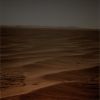
OPP-SOL2314-1P333609449EFFALS9P2371L7M1-PCF-LXTT2.jpgIsland in the Ocean - Sol 2314 (Natural Colors; credits for the additional process. and color.: Dr Paolo C. Fienga - Lunexit Team)67 visitenessun commentoMareKromium
|
|

PSP_003234_2210_RED-MF-PCF-LXTT1.jpgThe "Face on Mars" as you've never seen it before! (RAW b/w; credits for the additional process.: Dr Marco Faccin - Lunexit Team)67 visitePer le versioni in Full-Screen della "Sfinge di Cydonia Mensae" - a.k.a.: "The Face On Mars" -, visitate il Sito "Lunexit su Flickr" (http://www.flickr.com/photos/lunexit/).MareKromium
|
|
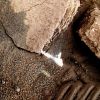
OPP-SOL2313-GB-LXTT.jpgJust a "Slice of Light"... - Sol 2313 (True Colors; credits for the additional process. and color.: Dr Gianluigi Barca - Lunexit Team)67 visiteDa osservare, accanto alla possibile "Striscia di Luce" (più in basso, circa a metà lunghezza del frame), un bellissimo effetto arcobaleno, enfatizzato dalla colorizzazione in Colori Veri.MareKromium
|
|
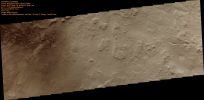
Craters-Unnamed_Crater-MO.jpgUnnamed Crater with Dunefield (Natural Colors; credits for the additional process. and color.: Dr Paolo C. Fienga - Lunexit Team)67 visitenessun commentoMareKromium
|
|
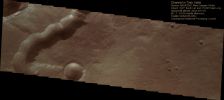
Channels-Tinto_Vallis-20070918a.jpgTinto Vallis (Natural Colors; credits for the additional process. and color.: Dr Paolo C. Fienga - Lunexit Team)67 visitenessun commentoMareKromium
|
|

SOL0813-2P198554279EFFAR00P2408R1M1.jpgPanorama - Sol 813 (Natural Colors; credits for the additional process. and color.: Dr Paolo C. Fienga - Lunexit Team)67 visitenessun commentoMareKromium
|
|

SOL0582-1-PIA04181.jpgHorizon - Sol 582 (1 - Possible Natural Colors; credits for the additional process. and color.: Dr Paolo C. Fienga - Lunexit Team)67 visitenessun commentoMareKromium
|
|
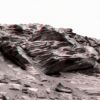
SOL1886-EB-LXTT4.jpgLayers in Gusev Crater - Sol 1886 (High-Def-3D; credits for the additional process.: Elisabetta Bonora - Lunexit Team)67 visitenessun commentoMareKromium
|
|
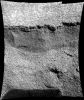
SOL707-GB-LXTT-2.jpgThe VERY strange Surface of Gusev Crater - Sol 707 (an Image-Mosaic by Dr Gianluigi Barca - Lunexit Team)67 visitenessun commentoMareKromium
|
|
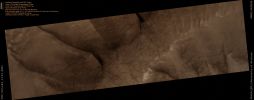
PSP_005383_1255_RED_abrowse-00.jpgDunefield with DD Tracks inside Russel Crater (Absolute Natural Colors; credits for the additional process. and color.: Dr Paolo C. Fienga - Lunexit Team)67 visiteDust Devils make dark, diffuse scribble markings on the Surface by kicking up Dust and are especially active in the Summertime over Dark Surfaces, such as those with many deposits of sand-sized material.
The Surface warms up in the Sunlight, creating the right conditions to form Dust Devils. Mars also has larger dust storms that can deposit a thin layer of Dust and eliminate the Dust Devil Tracks. MareKromium
|
|
| 25353 immagini su 2113 pagina(e) |
 |
|
|
|
|
986 | |
|
|
|
|





