| Piú viste |
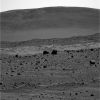
SOL811-2P198357175EFFAR00P2408R1M1.jpgBoulders, and a "Lake of Dunes" - Sol 81155 visitenessun commento
|
|
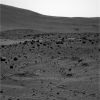
SOL811-2P198357230EFFAR00P2408R1M1.jpgLandscape (1) - Sol 81155 visitenessun commento
|
|
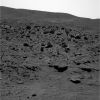
SOL811-2P198357290EFFAR00P2408R1M1.jpgLandscape (2) - Sol 81155 visitenessun commento
|
|
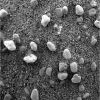
SOL812-2M198449464EFFAR00P2956M2M1.jpgThe "texture" of the soil... - Sol 81255 visiteCaption originale:"Microscopic Imager Non-linearized Full frame EDR acquired on Sol 812 of Spirit's mission to Gusev Crater at approximately at approximately 12:15:12 MLT.
Microscopic Imager dust cover commanded to be OPEN".
|
|

OPP-SOL794-1N198674977EFF6900P0675R0M1.jpgMars Panorama, at one mile from Victoria... (3) - Sol 79455 visiteCerchiatura Verde: photoartifacts?
Cerchiature Arancio: dune di altezza (molto probabilmente) superiore ai 2 mt
|
|

OPP-SOL794-1N198675029EFF6900P0675L0M1.jpgMars Panorama, at one mile from Victoria... (4) - Sol 79455 visitenessun commento
|
|
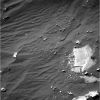
SOL817-2P198896391EFFAR00P2281R1M1.jpgFresh "cracks" on the Martian Surface (2) - Sol 81755 visiteCaption originale:"Right PanCam Non-linearized Full frame EDR acquired on Sol 817 of Spirit's mission to Gusev Crater at approximately 13:06:25 MLT. Camera commanded to use Filter 1 (436 nm)".
|
|

SOL813-PIA08423-1.jpgWhen the Sun goes down... (1) - Sol 81355 visiteA spectacular field of Martian sand ripples separates NASA's KMER Spirit from the slopes of Husband Hill. It has been 200 Soles, since Spirit started a descent from the top of the peak to its current position on Low Ridge. Looking back to the North, on Sol 813 (such as April 17, 2006), Spirit acquired this blue-filter (436-nanometer) view with the right Pancam while the Sun was low in the sky late in the afternoon.
Because of the low-angle lighting (sunlight is coming from the left), images like this provide superb views of subtle textures in the topography both near and far.
Husband Hill, where the Rover was perched late last Summer, rises prominently just left of center in this view (frames 3, 4, 5 and 6).
A 150-meter wide (500 foot) field of curving sand ripples named "El Dorado" (frames 4, 5 and 6) lies at the base of Husband Hill.
|
|
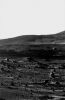
SOL813-PIA08423-2.jpgWhen the Sun goes down... (2) - Sol 81355 visiteBy collecting photos like this at different times of day, when lighting comes from different directions, scientists can distinguish surface properties such as color and reflectivity from topography and roughness. By separating these components they can map more details of the geologic terrain, providing new clues about the geologic history of Gusev Crater.
|
|

SOL813-PIA08423-3.jpgWhen the Sun goes down... (3) - Sol 81355 visiteUna piccola curiosità: lo sapevate che i frames Spirit ed Opportunity (al pari dei frames "orbitali" MGS, 2001 Odyssey, MRO e Cassini) pubblicati nei cosiddetti Siti "dedicati" NASA (non sappiamo che cosa faccia l'ESA con i frames Mars Express ma abbiamo un ragionevole motivo di ritenere che il "comportamento" dell'Agenzia Spaziale Europea sia del tutto analogo a quello dei "cugini Americani"), rappresentano una percentuale pari a circa il 30/35% dei frames effettivamente inviati a Terra?
Siete sorpresi? Non siatelo: non si tratta di cover-up (almeno in senso tecnico), ma solo di prassi. I frames che vediamo sono i "frames pubblici", ossìa quelli che vengono selezionati (ma da chi?!?) per la pubblicazione su Siti accessibili al Pubblico e, ribadiamo, rappresentano circa 1/3 del totale.
Certo è che, se proprio volessimo essere pignoli, dovremmo dire che il comportamento in questione non è esattamente "cristallino": in fondo, come la NASA stessa dice e ripete da 40 anni, "non c'è proprio nulla da nascondere".
Va bene, ma se questa è la verità, perchè non pubblicare il 100% del materiale che arriva dallo Spazio?
Forse perchè "è troppo"?
Forse perchè "costa troppo" mettere tutto in Rete?
O forse perchè la manipolazione "a regola d'arte" (o quasi) è gestibile solo allorchè operata su una percentuale relativamente bassa dell'intero materiale disponibile?
Pensateci sopra...
|
|

OPP-SOL795-PIA08424.jpgMeridiani's Side Winders - Sol 79555 visiteCaption NASA originale:"NASA's MER Opportunity continues to cut southward across a plain marked by large sand ripples and a pavement of outcrop rock. The ripple in the center of the image shows a distinct pattern of banding, which the science team hopes to investigate more closely during the trek through this terrain.
The banding and other features have inspired a hypothesis that Meridiani ripples are old features that are currently being eroded, and not transported, by wind.
This NavCam image was taken on Opportunity's Sol 795 (such as April 19, 2006".
Nota: e finalmente l'hanno detto! I Side-Winders, come ormai appariva ovvio (e come noi scriviamo da mesi), molto probabilmente NON sono disegnati dal vento, bensì - nel tempo - sono SCOLPITI (rectius: erosi) dal vento.
Si tratterebbe, quindi, di rilievi superficiali alquanto duri. Ma se ci pensate un momento, neppure questa spiegazione, in fondo, ci pare totalmente accettabile, ed il motivo è piuttosto evidente: se i Side-Winders fossero effettivamente dei rilievi di sabbia ultracompatta (e quindi simile ad una roccia, agevolmente scolpibile, ma pur sempre roccia), come spiegare le profonde tracce che il Rover si lascia alle spalle e che evidenziano una tessitura del suolo "resistente", ma ben lungi dall'essere definibile come di tipo "roccioso" (ancorchè friabile)?
Pensateci: e se la sabbia (compatta) di Meridiani, fosse tale solo perchè impregnata di qualcosa (magari un'acqua ricchissima di sali, o magari degli idrocarburi)? Qualunque sia la verità, per ora ci accontentiamo di questa piccolissima (ma significativa) apertura della NASA: "forse - se abbiamo interpretato bene quello che scrivono - dovremo rivedere qualcuna delle nostre ipotesi di partenza; forse non tutto è come sembra".
Già.
|
|

OPP-SOL804-Vic_pan_pair_labeled-A810R1-1.jpgThe rim of Victoria Crater (1)55 visiteCaption NASA originale:"This pair of images from the PanCam on NASA's MER Opportunity served as initial confirmation that the two-year-old Rover is within sight of Victoria Crater, which it has been approaching for more than a year.
Engineers on the Rover Team were unsure whether Opportunity would make it as far as Victoria, but scientists hoped for the chance to study such a large crater with their roving geologist. Victoria Crater is 800 mt (nearly half a mile) in diameter, about six times wider than Endurance Crater, where Opportunity spent several months in 2004 examining rock layers affected by ancient water".
|
|
| 25353 immagini su 2113 pagina(e) |
 |
|
|
|
|
2008 | |
|
|
|
|





