| Piú viste |
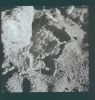
as15-86-11563.jpgAS 15-86-11563 - Station 2 Boulder55 visiteCaption NASA:"122:56:48 MT - After of the overturned boulder from the uphill side. Jim (Irwin) has joined Dave (Scott)".MareKromium
|
|
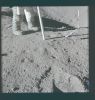
as15-86-11576.jpgAS 15-86-11576 - Pushing the "Core-Tube" down55 visiteCaption NASA:"123:09:11 MT - Jim is about to push the core tube into the ground".MareKromium
|
|
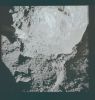
as15-86-11571.jpgAS 15-86-11571 - Station 2 Boulder55 visiteCaption NASA:"122:59:55 MT - While Jim started raking, Dave Scott went over to the boulder to get his tongs and take a close-up of the bottom of the boulder. Notice that he is using the tongs to make sure that he is at the proper distance for good focus".
MareKromium
|
|

SOL1434-2N253666065EFFAX05F0006L0M1.jpgMartian Sky... (1) - Sol 1434 (MULTISPECTRUM; credits: Lunexit)55 visitenessun commentoMareKromium
|
|

Apollo_15_as_15-85-11405_hr.jpgAS 15-85-11405 - Mt Hadley and part of the "Swann Range"55 visiteCaption NASA:"122:14:35 MT - Rightward of 11404, with Mt. Hadley on the left and a portion of the Swann Range on the right. The Swann Range was named for Apollo 15 geologist, Gordon Swann".
Nota Lunexit: ringraziamo il Dr Gianluigi Barca per averci prontamente fornito la versione HR del frame che ha suscitato qualche curiosità, a causa della "luce" visibile circa ad ore 2, in alto a Dx. Come già si accennava in sede di commento alla versione compressa del medesimo frame, siamo davanti ad un image artifact che rientra nella Classe dei cosiddetti "Effetti Prismatici".MareKromium
|
|

as16-118-18878.jpgAS 16-118-18878 - The Earth during Trans-Lunar Coast (USA and Mexico)55 visitenessun commentoMareKromium
|
|

as16-118-18879.jpgAS 16-118-18879 - The Earth during Trans-Lunar Coast (USA and Mexico)55 visitenessun commentoMareKromium
|
|

as15-86-11584.jpgAS 15-86-11584 - Locator Panorama, from Seatbelt Basalt Site (2)55 visitenessun commentoMareKromium
|
|

as16-113-18300.JPGAS 16-113-18300 - The Southern side of Stone Mountain55 visitenessun commentoMareKromium
|
|

APOLLO_16_LS-MAP.jpgAS 16-114-18427 - The Map: where's Plum Crater?55 visiteI legittimi interrogativi suscitati dal "riflesso" nel Visore di Charlie Duke, uniti alle possibili chiavi di lettura del fenomeno, ci hanno spinto a fare questo piccolo passo in avanti sulla strada della migliore interpretazione di quanto proposto dai frames originali e non compressi (e dunque i frames "più vicini" alla Realtà dell'Esplorazione Lunare realizzata durante gli Apollo Days).
E la strada è stata (relativamente) semplice, partendo dalla domanda originale: i riflessi color oro e fucsia possono derivare dal Lunar Module?
Risposta: no.
No perchè Plum Crater (la zona che Young e Duke stanno visitando ora) è a circa 800 metri di distanza dal Landing Site di Orion (il Lunar Module).
Dunque scartiamo il LM.
Potrebbe trattarsi dei riflessi del Lunar Rover, quindi?
Risposta: no.
No perchè il Lunar Rover è parcheggiato a circa 70/80 metri dalla posizione attuale di Charlie Duke e del Com.te Young.
Forse anche qualcosa in più (su questo dato non possiamo essere certi al 100%).
Settanta/ottanta metri (o più) che, tradotti in "soldoni", significano che il LR (viste anche le sue modestissime dimensioni - specie in rapporto al LM) non può essere "catturato" dal visore di Duke.
E allora? E allora ritorniamo al punto di partenza: che cosa può essere quel riflesso?
Grazie a tutti coloro che ci hanno già aiutato e che vorranno ancora aiutarci in questa ricerca!MareKromium
|
|

as15-86-11620.jpgAS 15-86-11620 - Hadley Rille Panorama (2)55 visitenessun commentoMareKromium
|
|

as15-86-11619.jpgAS 15-86-11619 - Hadley Rille Panorama (1)55 visiteCaption NASA:"Hadley Rille from the first Station 6 Sampling Site".MareKromium
|
|
| 25353 immagini su 2113 pagina(e) |
 |
|
|
|
|
1805 | |
|
|
|
|





