| Piú viste |
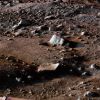
PHOE-SOL056-lg14759-14747-14748.jpgMineral Diversity in Vastitas Borealis - Sol 56 (Superdefinition + MULTISPECTRUM; credits: Dr G. Barca & Lunexit)56 visitenessun commentoMareKromium
|
|
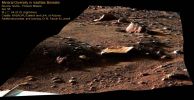
PHOE-SOL056-3D.jpgMineral Diversity in Vastitas Borealis - Sol 56 (3D + MULTISPECTRUM; credits: Dr M. Faccin & Lunexit)56 visitenessun commentoMareKromium
|
|
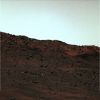
SOL716-1.jpgGusev's Skyline - Sol 716 (natural colors + MULTISPECTRUM; credits: Dr G. Barca & Lunexit)56 visitenessun commentoMareKromium
|
|
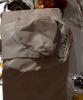
PHOE-SOL035-PIA10970.jpgProtective cover - Sol 35 (natural colors; credits: NASA)56 visiteThis color mosaic image of the Protective Cover of the lidar onboard NASA's Phoenix Mars Lander was taken by the Surface Stereo Imager (SSI) on Sol 35, or the 35th day of the mission, June 30, 2008. The lidar is part of the Canadian-built weather station, contributed to the mission by the Canadian Space Agency.
The SSI images are part of a panorama of the Lander's Deck and Instruments.MareKromium
|
|
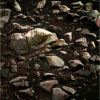
SOL1605-1.jpgRecent Crack and Colourful Striations - Sol 1605 (natural colors + MULTISPECTRUM; credits: Dr M. Faccin & Lunexit)56 visiteUna spettacolare elaborazione in colori naturali (leggermente amplificati nei contrasti) di una pietraia vicina al Rover Spirit.
Due soli commenti:
1) osservate il "crack" (frattura) che caratterizza il macigno centrale di colore chiaro (una frattura, a nostro avviso, assai recente) e
2) guardate le sfumature cromatiche che il bravissimo Dr Faccin è riuscito ad estrarre da questo frame e quindi pensate alla - ormai totalmente assurda - monocromaticità che continua a caratterizzare le "ultrasofisticate" elaborazioni a colori "approssimativi" della NASA...MareKromium
|
|

SOL733-1.jpgStranger than Fiction... - Sol 733 (natural colors; credits: Dr G. Barca)56 visiteUn frame bellissimo, un rilievo suggestivo e, ad oggi, ancora inesplicabile...MareKromium
|
|

PHOE-SOL058-lg15534-15535-15537.jpgMartian "Eggs" - Sol 58 (natural colors; credits: Dr G. Barca)56 visiteUn rilievo superficiale tanto curioso, quanto sconcertante ed una interpretazione del frame NASA-RAW in colori naturali davvero fantastica, realizzata dall'ormai eccezionale Dr Barca.MareKromium
|
|

PHOE-SOL058-lg15521-15523-15524.jpgThe "Area Code" of Mars: dial 05-05! - Sol 58 (Superdefinition and natural colors; credits: Dr G. Barca)56 visiteUn pò di ironia ed un pò di anomalìa, in questo frame davvero curioso...MareKromium
|
|
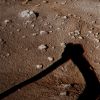
PHOE-SOL057-lg15155-15158-15159.jpgShadows... - Sol 57 (Superdefinition and natural colors; credits: Dr G. Barca)56 visitenessun commentoMareKromium
|
|
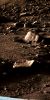
PHOE-SOL061-lg16201-16202-16203.jpgVastitas' Rocks - Sol 61 (Superdefinition and natural colors; credits: Dr G. Barca)56 visitenessun commentoMareKromium
|
|
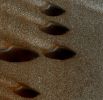
PSP_008839_2575_RED-01.jpgDunes and Polygons (edm - natural colors; credits: Lunexit)56 visitenessun commentoMareKromium
|
|

PSP_008930_1880_RED.jpgStair-Stepped Mounds in Meridiani Planum (natural, but enhanced, colors; credits: Lunexit)56 visiteThis image shows layered sedimentary rocks that fill an impact crater in the Meridiani Planum Region of Mars.
These layered rocks may have formed through the accumulation of sediment (sand and dust) that were transported into this crater by blowing wind or flowing water. These sediments formed an extensive deposit that once covered the floor of the surrounding impact crater.
This crater is so large that the HiRISE image is entirely within it, and the crater rim is not visible. These sedimentary rocks were then eroded, likely by the wind. The original sand and dust were deposited in distinct layers within the crater; these layers now give the mounds their distinctive stair-stepped appearance, and are all that remain from this once extensive deposit.MareKromium
|
|
| 25353 immagini su 2113 pagina(e) |
 |
|
|
|
|
1770 | |
|
|
|
|





