| Piú viste |
SOL1392-2P249936369EFFAWTNP2427R1M1.jpgDaylight Panorama - Sol 1392 (4 - MULTISPECTRUM; elab. Lunexit)56 visitenessun commentoMareKromium
|
|
SOL1392-2P249936344EFFAWTNP2427L7M1.jpgDaylight Panorama - Sol 1392 (3 - MULTISPECTRUM; elab. Lunexit)56 visitenessun commentoMareKromium
|
|

as16-107-17421.JPGAS 16-107-17421 - Beautiful Desolation (2)56 visitenessun commentoMareKromium
|
|

as16-107-17462.JPGAS 16-107-17462 - Station 4 Trench56 visiteCaption NASA:"Post-sampling up-Sun of John Young's Station 4 trench".MareKromium
|
|
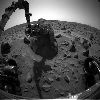
SOL051-Humphrey.gif"Scrubbing" Humphrey... - Sol 51 (GIF-Movie; credits: Dr Marco Faccin)56 visiteUno splendido GIF-Movie ci mostra, oltre alla (leggera) "grattatina" che il RAT (Rock Abrasion Tool) di Spirit diede all'enigmatico (pseudo)macigno conosciuto come Humphrey, anche un suggestivo (e davvero quasi impercettibile) "lampo di luce" che arriva dall'orizzonte.
Ma attenzione: il "lampo" non dovrebbe essere un image-artifact: secondo noi, infatti, correlando lo spostamento dell'ombra (visibile in basso) all'istante del flash (visibile in alto a Dx dell'Osservatore, tra ore 02:00 e 03:00), possiamo ragionevolmente ritenere che si tratti del riflesso dei raggi del Sole sull'ancora lontano Heat-Shield di Spirit - il quale, come ricorderete, si trovava (e si trova tutt'ora, riteniamo...) proprio sul bordo (rim) del medio-piccolo cratere Bonneville.
Se l'ipotesi "riflesso" non Vi convincesse, noi siamo open verso nuove teorie ed ipotesi: basta che scriviate...
Bellissimo filmato, comnque, e grandi complimenti al Dr Faccin!MareKromium
|
|
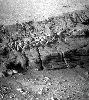
OPP-SOL1358-A.gifWaiting for "something" to happen... - Sol 1358 (GIF-Movie; credits: Dr Marco Faccin)56 visiteUn altro GIF-Movie che ci mostra le estenuanti "attese" (ma di che cosa poi?!?) del MER Opportunity, ben posizionato davanti ai cracks dell'inner rim di Victoria. Attese.
Attese per scorgere un "movimento", di un qualche tipo? Secondo noi, si: questo è lo scopo di un numero impressionante di riprese ripetitive effettuate dai MER (anche Spirit, infatti e come avete visto, fa la stessa cosa).
Sbuffi di fumo, movimenti inattesi o...chissà cosa: ma la Verità è che alla NASA stanno osservando i "cracks" con grande attenzione e "loro", gli Amici di Pasadena, non si agitano mai per nulla...
Molto interessante il filmato anche perchè ci mostra (e ci permette, a questo punto, di riconoscere definitivamente) alcuni "vizi" dei frames i quali sono conseguenza di vizi delle ottiche del Rover (questi image artifacts li percepirete come "punti bianchi fissi"); interessante anche il transito di un cosmic-ray (probabilmente), sulla Dx del frame, a circa mezza altezza.
Insomma: uno spettacolare Lavoro del Dr Faccin che merita i nostri più profondi e sinceri complimenti!MareKromium
|
|

PSP_001374_1805_RED_browse-00~0.jpgLayering in Exhumed Crater at Meridiani Planum Region (context image - MULTISPECTRUM; credits: Lunexit)56 visite...Noi, detto senza falsa modestia, sfidiamo la NASA a fare di meglio...MareKromium
|
|

OPP-SOL1377-3.jpgSolar Panels and Paving - Sol 1377 (natural colors e MULTISPECTRUM; credits: Dr Gianluigi Barca e Lunexit)56 visitenessun commentoMareKromium
|
|

OPP-SOL1379-2.jpgSolar Panels and Paving - Sol 1379 (natural colors + MULTISPECTRUM; credits: Dr Gianluigi Barca e Lunexit)56 visitenessun commentoMareKromium
|
|

OPP-SOL1379-1.jpgOpportunity: circuits, Solar Panels and Paving (natural colors + MULTISPECTRUM; credits: Dr G. Barca e Lunexit)56 visitenessun commentoMareKromium
|
|
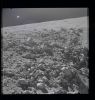
as16-107-17477.JPGAS 16-107-17477 - Station 4 Crater (ejecta crater)56 visitenessun commentoMareKromium
|
|
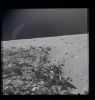
as16-107-17483.JPGAS 16-107-17483 - Station 4 Crater (ejecta crater)56 visiteStation 4 crater. Note that there is very little debris on the Western (right) side of the Crater. As John Young recognized in the field, this crater was almost certainly formed by a large piece of highly-shocked ejecta from South Ray Crater which plowed into the side of Stone Mountain at relatively low velocity and came apart.
Hence, this is a Secondary Crater.
Notes (from "Glossary of Geology", 2nd Edition, American Geological Inst., Falls Church (VA) - 1980)
Ejecta — The material thrown out of an impact crater by the shock pressures generated during the impact event. Ejecta generally covers the surface around an impact crater to a distance of at least one crater diameter, with individual streamers of material extending well beyond this distance ("rays"). The ejecta blanket of a crater becomes less visible with increasing age of the crater.
Secondary craters — Craters produced by the impact of debris thrown out by a large impact event. Many secondary craters occur in clusters or lines where groups of ejecta blocks impacted almost simultaneously.MareKromium
|
|
| 25353 immagini su 2113 pagina(e) |
 |
|
|
|
|
1708 | |
|
|
|
|





