| Piú viste |

OPP-SOL1748-3.jpgInteresting Rock-fragment and a possible "Predatory Bore Hole" (inset) - Sol 1748 (True Colors; credits: Dr G. Barca)56 visiteDavvero intrigante ed accattivante il dettaglio estrapolato ed ingrandito dal sempre bravissimo Dr Barca e quindi isolato nell'inset (posto proprio al di sopra del rock fragment che occupa il centro del quadro): un sassolino - di dimensioni che stimiamo essere intorno ai circa 3,5x4 cm - che si caratterizza per due dettagli: 1) l'esistenza di un foro, a forma circolare (forse appena allungata) e dai bordi dolci e smussati che insiste sulla sua porzione frontaliera e 2) l'esistenza di un punto di elevata riflettenza (high albedo) posizionato proprio al di sopra del foro.
La nostra "provocazione"?
Eccola: secondo noi NON SI TRATTA ASSOLUTAMENTE di un manufatto (nonostante l'esistenza di qualche indice antropomorfico). Esso, tuttavia, potrebbe costituire l'evidenza del fatto che, su Marte, esistevano (o esistono ancora?!?...) esseri viventi capaci di scavare fori su volumi e/o superfici caratterizzate da una resistenza strutturale (o intrinseca - tipo rocce) media o medio/elevata, allo scopo di crearsi un nido (o un rifugio) oppure al fine di investigare l'eventuale esistenza, all'interno di detti volumi e superfici, di altre Forme Vitali (investigazione orientata al perseguimento di finalità assolutamente predatorie -----> da cui il titolo e la rubricazione del dettaglio come "Predatory Bore Hole").
Fantasie e traveggole? Forse.
Ma quante rocce bucate (perfettamente - e spesso inspiegabilmente - bucate!) abbiamo già localizzato su Marte?
Possibile che si tratti sempre di vescicole - residui visibili dell'esplosione/fuoriuscita repentina di minuscole bolle/sacche di gas ultrariscaldatesi a seguito e/o durante la verificazione di fenomeni vulcanici (o di impatto)?
Forse. O forse no...MareKromium
|
|

OPP-SOL4941R172043875EFF55V4P1311L0M1.jpgBrown/greenish Landscape - Sol 494 (natural colors; credits: Lunar Explorer Italia)56 visitenessun commentoMareKromium
|
|
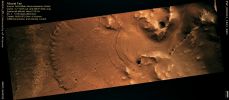
PSP_006941_1825_RED_abrowse~0.jpgAlluvial Fan in Crater East of Maja Valles (MULTISPECTRUM; credits: Lunexit)56 visiteThis image shows a large symmetrical Alluvial Fan at the mouth of a small channel along an unnamed crater. Alluvial fans with a well-defined channel source area are relatively uncommon on Mars.
This fan has a rib-like outer margin and many more terrace-like scarps upslope near the channel mouth. These terraces may indicate the outer margin of sediment deposits during each “pulse” of deposition. Further study of these types of alluvial fans may shed light on past sedimentary environments and conditions on Mars. MareKromium
|
|

PSP_010047_1745_RED-01.jpgStar-like shaped Hill in Terra Tyrrhena (edm - possible True Colors; credits: Lunar Explorer Italia)56 visite...Pubblichiamo questo extra-detail magnification (edm) girando a Voi la domanda postaci dal nostro Caro Amico "Cano00": questa striscia di puntini (si direbbero dei mini-segmenti scuri) allineati, che cos'è? E' un intrigantissimo rilievo superficiale, oppure è un image-artifact?
Ed in ogni caso: COMPLIMENTI a Cano00 per l'occhio (straordinario) che ha avuto!...MareKromium
|
|

SOL052-2R130984134EFF1120P1310R0M1.jpgInteresting Outcrop - Sol 52 (natural colors; credits: Lunexit)56 visitenessun commentoMareKromium
|
|
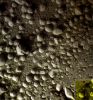
OPP-SOL1755-1MICRO_copia-3.jpgGreenish Smashed-up Berries - Sol 1755 (possible True Colors; credits: Dr G. Barca)56 visitenessun commentoMareKromium
|
|

OPP-SOL1748-2.jpgReddish Pebbles on the Paving - Sol 1748 (possible True Colors; credits: Dr G. Barca)56 visitenessun commentoMareKromium
|
|
APOLLO_15_-_AS_15-92-12569.jpgAS 15-92-12569 - Copernicus (possible True Colors; credits: Lunar Explorer Italia)56 visitenessun commentoMareKromium
|
|
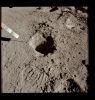
APOLLO_15_-_AS_15-86-11645.jpgAS 15-86-11645 - Gnomon and Hole at Station 6 (possible True Colors; credits: Lunar Explorer Italia)56 visitenessun commentoMareKromium
|
|

APOLLO_12_-_AS_12-52-7739.jpgAS 12-52-7739 - Copernicus (possible True Colors; credits: Lunar Explorer Italia)56 visiteCoord. (center of the frame): approx. 10,0° North Lat. and 20,0° West Long.MareKromium
|
|

ZZ-Z-P-PIA11738.jpgThe Way to the Giant Endeavour Crater - Sol 174256 visiteCaption NASA:"The red-and-white line on this image traces the route that NASA's Mars Exploration Rover Opportunity drove from its Landing inside Eagle Crater on Jan. 4, 2004 (Universal Time; Jan. 3 Pacific Standard Time) through the 1742nd Martian Day, or Sol, of the mission (Dec. 17, 2008). During that period, Opportunity drove 13,62 Km (about 8,5 miles).
Opportunity climbed out of the 800-meter-wide (half-mile-wide) Victoria Crater on Sol 1634 (Aug. 28, 2008). The Rover's next major destination is a much larger crater further South, Endeavour Crater, with a diameter of about 22 Km (approx. 14 miles).
The route and labels on this map are overlain on an image from the Thermal Emission Imaging System camera on NASA's Mars Odyssey Orbiter".MareKromium
|
|

The_Rings-Shadow-N00127581.jpgEclipsing the Rings (2)56 visitenessun commentoMareKromium
|
|
| 25353 immagini su 2113 pagina(e) |
 |
|
|
|
|
1629 | |
|
|
|
|





