| Piú viste |

Clouds-PCF-LXTT.jpgNorth Polar Clouds and Surface (Natural Colors; credits for the additional process. and color.: Dr Paolo C. Fienga - Lunexit Team)56 visiteCaption NASA:"When winds that have swept across the North Polar Ice encounter a trough in the ice, the laminar flow slows at the base of the trough, producing a turbulent wind regime that is easily recognized in the clouds formed in the trough".
MareKromium
|
|
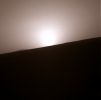
SOL858-1.jpgEvening Atmosphere... - Sol 858 (natural colors; credits: Dr G. Barca)56 visitenessun commentoMareKromium
|
|
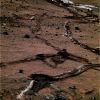
SOL856-1.jpgRover Tracks and Sulphates - Sol 856 (natural colors; credits: Dr G. Barca)56 visitenessun commentoMareKromium
|
|

EROS-GIFMovie-049.gifRolling and Floating: 433-Eros (GIF-Movie; credits: Dr G. Barca)56 visitenessun commentoMareKromium
|
|

EROS-PIA02905-1.jpgEros (Position of the BIG Pseudo-Anomaly)56 visitenessun commentoMareKromium
|
|

EROS-GIFMovie-050_frame02.gifRolling and Floating: 433-Eros (GIF-Movie; credits: Dr G. Barca)56 visitenessun commentoMareKromium
|
|

PSP_008963_1650_RED-01.jpgMER Spirit Rover at Martian Mid-Winter (edm - natural, but enhanced, colors; credits: Lunexit)56 visitenessun commentoMareKromium
|
|

PSP_008930_1880_RED.jpgStair-Stepped Mounds in Meridiani Planum (natural, but enhanced, colors; credits: Lunexit)56 visiteThis image shows layered sedimentary rocks that fill an impact crater in the Meridiani Planum Region of Mars.
These layered rocks may have formed through the accumulation of sediment (sand and dust) that were transported into this crater by blowing wind or flowing water. These sediments formed an extensive deposit that once covered the floor of the surrounding impact crater.
This crater is so large that the HiRISE image is entirely within it, and the crater rim is not visible. These sedimentary rocks were then eroded, likely by the wind. The original sand and dust were deposited in distinct layers within the crater; these layers now give the mounds their distinctive stair-stepped appearance, and are all that remain from this once extensive deposit.MareKromium
|
|
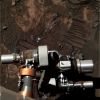
SOL948-2.jpgLooking Down - Sol 948 (true colors; credits: Dr G. Barca)56 visiteUn immagine come questa, di regola, viene "captionata" con un "nessun commento". Ma questa volta abbiamo deciso di fare un'eccezione.
Come forse avrete notato, da un paio di giorni, in ragione del nostro Studio su "433-Eros", stiamo ricevendo qualche palata di escrementi sulla faccia, da parte di alcuni personaggi che si ritengono "Professionisti" dell'interpretazione delle fotografie.
Ora, tralasciando le qualità pratiche e morali di questi poveracci, vorremmo solo ricordarVi una cosa: questo frame, al pari di centinaia (oggi migliaia) di altri, in origine era un "RAW-NASA-b/w". Adesso è una finestra che si apre su Marte e lo mostra così come è.
Ecco: i "detrattori" di Lunexit e dei Professionisti che la rendono "viva" (il Dr Barca e tutti gli altri), prima di aprir bocca, dovrebbero guardare queste immagini e capire (o meglio: provare a capire) cosa significa Professionalità e Sacrificio e poi, una volta afferrato il concetto (se ci riescono), stare zitti e cercarsi un altro "hobby".
E chi sono costoro? Ancora una volta, "quelli che vedono i mulini a vento, e li chiamano giganti".
Che tristezza...MareKromium
|
|
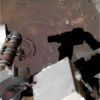
SOL973-2.jpgLooking Down - Sol 973 (true colors; credits: Dr G. Barca)56 visitenessun commentoMareKromium
|
|
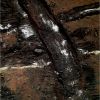
SOL1064-1.jpgCriss-Crossing Rover Tracks - Sol 1064 (Enhanced Possible True Colors; credits: Dr G. Barca)56 visitenessun commentoMareKromium
|
|
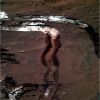
SOL1099-1.jpgRover Tracks, Colourful Dust and White Sulphates - Sol 1099 (natural colors; credits: Dr G. Barca)56 visitenessun commentoMareKromium
|
|
| 25353 immagini su 2113 pagina(e) |
 |
|
|
|
|
1606 | |
|
|
|
|





