| Piú viste |
NGC-7000-00.jpgNGC 7000 - North America Nebula57 visite"...Excidunt etiam retinentibus lacrimae, et animum profusae levant..."
(Seneca)
"...Le lacrime vengono anche a chi si sforza di trattenerle e, una volta lasciate andare, alleviano la sofferenza (lett. "sollevano l'animo")..."
|
|

APOLLO 15 AS 15-9254.jpgAS 15-9524 - Bright and Big "Streaks"57 visiteThis elliptical crater is 1 Km long with an unusual, winglike pattern of rays.
This ejecta pattern is similar to those around some small experimental impact craters produced by missiles traveling along low-angle trajectories at White Sands Missile Range, N. Mex.
From the shape of the crater and the distribution of the rays, it is difficult to tell whether the meteoroid was traveling from North to South or South to North.
The higher albedo (brightness) of the North wall and the concentration of high albedo ejecta on the North-West and North-East flanks suggest that it traveled from South to North.
|
|

Rhea-N00064799-B.jpgMoments of Rhea (1) - detail mgnf: Squared Crater57 visiteUn dettaglio molto bello di uno dei rilievi superficiali più inriganti di questa Luna Saturniana: si tratta di un cratere dalla forma curiosa il quale pare presentare, sul suo versante Est (Dx dell'Osservatore), un'evidente Anomalìa di Superficie costituita da una sorta di "quadrangolo grigio" il quale ricopre nettamente un'ampia porzione della sua parete interna (la quale, come si vede bene, è di colore chiaro e ben illuminata, tranne che nella zona che abbiamo cerchiato in nero).
Che cosa può essere successo? Che cosa ha "oscurato" una porzione del versante Est del cratere? L'ipotesi della "valanga di polveri", e ce ne rendiamo conto, è "leggera" e discutibile; più plausibilmente si potrebbe trattare di un visio dell'immagine o di una manipolazione digitale. In ogni caso, ecco un nuovo "mistero" da valutare ed approfondire...
|
|

Rhea-N00064809.jpgMoments of Rhea (3)57 visitenessun commento
|
|

Rhea-N00064828.jpgMoments of Rhea (5)57 visitenessun commento
|
|

Rhea-N00064832-A.jpgMoments of Rhea (6) - Rhea's "Peak" (context image)57 visiteRiuscite a vederlo?!?...
|
|

Rhea-N00064852-A.jpgMoments of Rhea (7) - Squared Crater and anomalous "slope" (contex image)57 visiteLo stesso rilievo che abbiamo adocchiato nel quadro n. 1, si ripropone da un angolo visuale migliore, sebbene osservato e ripreso da una distanza maggiore (poco più di 191.000 Km rispetto ai 167.000 del quadro n.1): la regione Est del grande cratere (che qui ci appare ad ore 12 - essendo mutata la posizione di Cassini rispetto a Rhea) pare proprio aver subito un "trauma" di un qualche tipo, poichè la bianca parete del cratere, come poi vedrete meglio nel detail mgnf, effettivamente si interrompe e cambia tessitura e colore.
Difficile fare ipotesi, ma la sensazione che un evento cataclismico si sia (in epoche neppure troppo remote) verificato in quella regione di Rhea ci pare alquanto probabile (e per i Lettori più ferrati in Scienze Planetarie, suggeriamo di fare un raffronto tra questo cratere e le sue pareti ed il cratere Lunare "Jansen-B": le somiglianze, secondo noi, ci sono e sono molto nette).
|
|

Rhea-N00064852-B.jpgMoments of Rhea (7) - Squared Crater and anomalous "slope" (detail mgnf)57 visitenessun commento
|
|

NGC-6397-Graph.jpgNGC 6397 - The "White Dwarfs Hook"57 visiteThis graph schematically plots two populations of stars Hubble has seen in neighboring star cluster NGC 6397. The graph, a simplified version of the original data, plots stellar brightness (vertical axis) against stellar color-temperature. The normal main sequence stars in the cluster are plotted on the right curve.
The cooler a star is, the redder it appears and it diminishes in brightness.
Hubble has identified the very coolest and faintest normal stars in the cluster.
The curve on the left plots the white dwarf population of burned-out sunlike stars. It follows a normal "cooling slope" until the white dwarf begins to look bluer and hook toward the left BUT the dwarfs aren't getting hotter!
Chemical changes in their atmospheres make them look cooler.
This predicted "white dwarfs hook" has never been seen before.
|
|
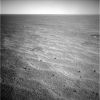
OPP-SOL917-1N209596706EFF755JP1985R0M1.jpgWhat's around Opportunity... (1) - Sol 91757 visiteSono ormai passate alcune settimane da quando avevamo adocchiato, nei pressi di Beagle Crater, due curiosissimi rilievi (2 boulders di notevoli dimensioni, si sarebbe detto) che avevamo battezzato "Menhir".
Per cercare di vederli e quindi studiarli meglio abbiamo atteso, ma... si direbbe invano: i Menhirs sono, semplicemente, spariti.
Abbiamo guardato tutti i frames ed abbiamo tentato di capire che cosa fosse accaduto anche ad altri macigni di notevoli dimensioni che parevano stare nei pressi dei 2 Menhir, ma niente da fare; nulla di nulla.
Che cosa c'è, quindi, intorno ad Opportunity (come recita la rubrica che abbiamo scelto per questi 5 quadri)? Nulla: solo sabbie "arancioni" (e, se guardate bene l'ultimo frames in approximate true colors prodotto dalla NASA (Baltra - Sol 896), capirete bene perchè la nostra ricostruzione dei colori di Marte - buona tanto quanto quella della NASA, se non di più - ci rende quantomeno orgogliosi...).
|
|

APOLLO 16 AS 16-5410.jpgAS 16-5410 - Number "8"57 visiteThis 18-km-long ''figure 8" pair of noncircular craters near the crater Guericke probably was not formed by hypervelocity impacts of bodies from space. It could be a secondary impact feature formed by projectiles from the Imbrium Basin, 700 Km to the North. The terrace at the base of the crater walls could be debris from the walls or a "bathtub ring" left by a formerly higher stand of the mare fill. Alternatively, the crater pair and the terrace could have been formed by volcanic eruptions.
The superposed bright crater is younger than and unrelated to either the "figure 8" pair or the mare.
|
|

APOLLO 17 AS 17-2444.jpgAS 17-2444 - Mare Imbrium & Copernicus Crater57 visiteThis oblique view across southern Mare Imbrium looks toward Copernicus, the large crater near the horizon. The distance from the lower edge of the picture to the center of Copernicus is 400 km. The mountains at the edge of Mare Imbrium are the Montes Carpatus, and the large crater near the center of the picture is Pytheas, almost 19 km in diameter. Copernicus is one of the youngest of the Moon's large craters. It is visible from Earth, even without the aid of a telescope because of its bright ejecta blanket and its extensive bright rays. The many chains and clusters of small irregular craters and the many bright streaks or rays extending across Mare Imbrium are caused by the secondary impact of debris ejected from Copernicus. The viewing angle accentuates the radial pattern of the secondary impact features. The Sun angle is sufficiently low to show their relief, but high enough to show the contrast between the bright streaks and the normal dark mare surface. As in figure 124, herringbone ridges point toward the primary crater, and the flaring sides of the secondary craters point away from it. The arrow midway between Copernicus and the left edge of the photograph points to a less common pattern of secondary craters; these are concentric to Copernicus.
|
|
| 25353 immagini su 2113 pagina(e) |
 |
|
|
|
|
1497 | |
|
|
|
|





