| Piú viste |

SOL171-MI.jpgWatch Carefully! - Sol 171 (True Colors + MULTISPECTRUM; credits: Dr M. Faccin & Lunexit)57 visitenessun commentoMareKromium
|
|
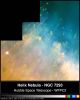
NGC-7293~1.jpgNGC 7293 - Cometary Knots in the Helix Nebula (HST)57 visite"...In scirpo nodum quaeris..."
(Plauto)
"...Cerchi il nodo nel giunco..."
(detto a proposito di coloro che, per motivi non comprensibili ai terzi, cercano - e, spesso, trovano! - le difficoltà anche nelle cose semplici)MareKromium
|
|
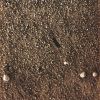
SOL913.jpgUnusual surface feature (a "hole"?) in the proximities of Spirit's Winter Haven (3) - Sol 913 (Superdefinition + MULTISPECTRUM; credits: Dr G. Barca & Lunexit)57 visiteLa parte DAVVERO interessante di questo frame? Il piccolo "foro rettangolare" che si vede quasi a centro quadro.
Diciamo che non ci interessa chi/che cosa lo ha fatto e come (dubitiamo FORTEMENTE comunque che si tratti di un'azione meccanica posta in essere dal Rover); diciamo solo che esso è una (piccola) evidenza del fatto che lo strato superficiale di Marte è una sorta di "Mega-Guscio Protettivo" (per usare una terminologia "familiare" al nostro Caro Amico, il Dr Feltri) per qualcosa che "stà sotto". Un qualcosa che non deve essere esposto alle (indubitabili) azioni avverse del clima e dell'atmosfera Marziana.
Acqua? Vegetazione di un qualche tipo? Forme Vitali Indigene?... Ogni ipotesi, per il momento, è valida.
E ricordate una cosa, se e quando vorrete commentare questi findings: noi speculiamo, è vero.
Ma lo facciamo sulla base di quanto mostrato da immagini genuine NASA sulle quali la NASA stessa, sebbene sollecitata innumerevoli volte (e non solo da noialtri), di fatto, si rifiuta di esprimere opinioni ed idee. Ed è un peccato: perchè la Ricerca Scientifica non si fa solo interpretando "l'ovvio" ed il "conosciuto poichè riconosciuto" (sorry per il gioco di parole).
La Ricerca Scientifica, anche se a quel punto diventa MOLTO rischiosa (da tutti i punti di vista e per chiunque la ponga in essere) si fa anche "speculando" e "provando ad interpretare l'Ignoto"...
Pensateci su.MareKromium
|
|
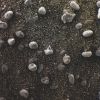
SOL812.jpgPebbles and Spherules in the "wet" (?) Martian Sand... - Sol 812 (Superdefinition + MULTISPECTRUM; credits: Dr G. Barca & Lunexit)57 visitenessun commentoMareKromium
|
|
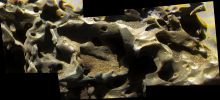
SOL736-1.jpgCoral Crown? - Sol 736 (Superdefinition; credits: Dr M. Faccin)57 visitenessun commentoMareKromium
|
|

PSP_007820_1505_RED_abrowse-05.jpgThis IS SOMETHING! (context frame - credits: Dr M. Faccin)57 visiteGrazie all'occhio del Dr Faccin, un (probabilmente AUTENTICO Mistero Marziano; anzi...forse addirittura due!).
Andate a vedere che cosa si nasconde nella zona indicata dalla croce...MareKromium
|
|
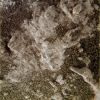
SOL750.jpgGreenish "dust"? - Sol 750 (Superdefinition + MULTISPECTRUM; credits: Dr G. Barca & Lunexit)57 visitenessun commentoMareKromium
|
|
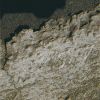
SOL747.jpgGreenish "dust"? - Sol 747 (Superdefinition + MULTISPECTRUM; credits: Dr G. Barca & Lunexit)57 visitenessun commentoMareKromium
|
|
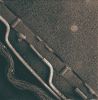
SOL1230-1239-1518-3.jpgWhat's on the Solar Panels? - Sol 1230 (Superdefinition; credits: Dr G. Barca)57 visitenessun commentoMareKromium
|
|
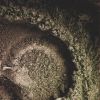
SOL845.jpgGreenish "dust" inside and around "The Mark" - Sol 845 (Superdefinition + MULTISPECTRUM; credits: Dr G. Barca & Lunexit)57 visitenessun commentoMareKromium
|
|
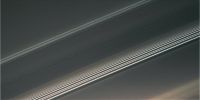
The_Rings-PIA09894.jpgThe A-Ring in 16:9 (natural colors + MULTISPECTRUM; credits: Lunexit)57 visiteCaption NASA:"Spiral density waves in Saturn's A-Ring reveal the gravitational signatures of distant moons as they subtly tug on the countless particles orbiting in the Ring-Plane.
Resulting from a process called orbital resonance, a spiral density wave is a spiral-shaped massing of particles that tightly winds many times around the Planet. Thus, the wave patterns seen here represent successive windings of each wave, like a close-up view of a watch spring.
Ring scientists can read these patterns, learning from them how quickly the Rings are spreading and the amount of mass contained in a region.
This view looks toward the sunlit side of the Rings from about 42° below the Ring-Plane. The image was taken in visible light with the Cassini spacecraft narrow-angle camera on April 1, 2008. The view was obtained at a distance of approx. 268.000 Km (about 167.000 miles) from Saturn.
Image scale is roughly 1 Km (0,6 miles) per pixel".MareKromium
|
|
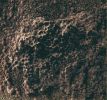
SOL1035-1.jpgVolcanic "Bubbles" or "Martian Eggs"? - Sol 1035 (Superdefinition + MULTISPECTRUM; credits: Dr G. Barca & Lunexit)57 visitenessun commentoMareKromium
|
|
| 25353 immagini su 2113 pagina(e) |
 |
|
|
|
|
1440 | |
|
|
|
|





