| Piú viste |

Sky-N00097768.jpgStar-trail; moon-trail or in-transit UFO?58 visiteCaption NASA:"N00097768.jpg was taken on November 24, 2007 and received on Earth November 25, 2007. The camera was pointing toward JAPETUS that, at the time, was approx. 1.401.647 Km away, and the image was taken using the CL1 and IR1 filters. This image has not been validated or calibrated".MareKromium
|
|

SOL1365-2P247540733EFFAWCCP2456L6M1.jpgThe "floor" near Home Plate - Sol 1365 (natural colors; elab. Dr Marco Faccin)58 visitenessun commentoMareKromium
|
|

SOL1365-2P247540974EFFAWCCP2456R7M1.jpgThe "floor" near Home Plate - Sol 1365 (natural colors; elab. Lunexit)58 visitenessun commentoMareKromium
|
|

PSP_005571_0950_RED_abrowse-01.jpgSouth Polar Residual Cap Margin (extra-detail mgnf; MULTISPECTRUM - elab. Lunexit)58 visiteIn this extra-detail mgnf one can see fractures in the Residual Cap ice near the margin and, farther in, circular depressions that, in some places, appear to have coalesced.
These depressions constitute what is called "Swiss Cheese Terrain" and it's fairly easy to see why. The Swiss cheese terrain is created when the CO2 goes directly from the solid state (ice) to a gaseous state (the more familiar CO2 gas) as temperatures warm during South Polar Summer.
Swiss Cheese Formation may also be linked in a complicated way to the behavior of major Martian Dust Storms.
Images like these, taken before and after dust storm events, can aid our understanding of that complicated relationship.MareKromium
|
|

PSP_005813_2150_RED_abrowse.jpgUnusual Depression near Elysium Mons (MULTISPECTRUM; elab. Lunexit)58 visiteThis unusual depression and the associated concentric rings are situated within an area thought to have been deposited as a mud flow. Due to the lack of a distinctive, raised rim or other impact-related features, this crater is thought to have formed by the loss of material below the surface and subsequent collapse, rather than by an impact from space.
The exact mechanism for the loss of material is not fully understood, although the missing material was likely water in some form. This feature is near a large volcano, so perhaps there were explosive magma-water interactions that violently removed the water and some magma, followed by surface collapse. Or, less violently, there could have been simple melting of subsurface ice and then collapse of the surface into the resulting void. The rays emanating from the depression suggest some amount of violence before the surface collapse that sprayed material far from the depression.
Some aspects of this and other, nearby features are similar to the collapse pits associated with Grímsvötn volcano in Iceland, which erupts beneath an ice-cap. However, there are no rays formed during the eruptions at Grímsvötn.
MareKromium
|
|

NGC-1333~0.jpgNGC 1333 - Stardust in Perseus58 visite"...Stet quicumque volet potens aulae culmine lubrico,
Me dulcis saturet quies. Obscuro positus loco
Leni perfruar otio. Nullis nota Quiritibus
Aetas per tacitum fluat. Sic cum transierint mei
Nullo cum strepitu dies, plebeius moriar, sed senex..."
(Seneca)
"...Stia chi vuole nella somma e perigliosa dimora dei Re; a me basta la quiete.
Celato, in un luogo remoto, godrò dolce riposo, mentre nessun Romano che ami la fama della città in cui vive potrà godere della tranquillità.
E così scorrendo i miei giorni, senza rumori, morirò plebeo; ma vecchio..." (trad. libera)MareKromium
|
|

OPP-SOL335-7-animation.gifMulticolored Reflections or just "something else"? (6 GIF-Movie) - Credits: Dr Gianluigi Barca58 visiteQuesto spettacolare GIF-Movie - realizzato, come dianzi dicevamo, dal nostro grandissimo Amico e Collega, il Dr Gianluigi Barca - ci mostra l'evoluzione delle Bolle di Luce nel tempo ed il loro, a nostro parere difficile da negare, "movimento" attorno all'Heat-Shield.
Se osservate con attenzione, noterete anche delle minuscole "scintille" che, di quando in quando, paiono accendersi nei pressi della superficie, vicino all'Heat-Shield e che poi, negli ultimi tre frames, ci danno la sensazione di "fuggire via", sempre viaggiando rasenti la superficie di Meridiani.
La voglia di ipotizzare e speculare, credeteci, è immensa...Ma noi ci rendiamo conto che gli elementi in nostro possesso non sono definitivi. Non sono la "prova provata" di nulla. Sono solo indizi: dei piccoli - affascinanti e misteriosi (senza dubbio) - indizi che ci devono aiutare a capire che non tutto, alle volte, è come sembra ad un'occhiata superficiale. Bisogna guardare bene, riflettere meglio e poi proporre gli elementi raccolti al vaglio del Pubblico, agendo con pragmatismo, umiltà e - perchè ci vuole e perchè è parte della natura Umana - un pizzico di immaginazione. Il Futuro, forse, ci darà le risposte che cerchiamo.
E per il momento, la domanda è (tanto per cambiare...): che cosa stiamo guardando?MareKromium
|
|

Europa.jpg"Faces & Phases" of Europa58 visitenessun commentoMareKromium
|
|

APOLLO_15_-_AS_15-87-11725.jpgAS 15-87-11725 - Mare Ingenii and Thomson Crater58 visitenessun commentoMareKromium
|
|

ISD_highres_AS13_AS13-60-8589-1.jpgAS 13-60-8589 - S-IV-B in the distance? (1 - extra-detail mgnf)58 visiteIl Dr Barca ha reperito questa versione originale HR/Uncompressed e, a nostro parere giustamente, si è posto la domanda se l'oggetto inquadrato sia effettivamente - come suggerisce la caption dell'Apollo Image Atlas - lo stadio S-IV-B che va a perdersi nello Spazio (e che già trasse in inganno in C.U.N. e tanti altri Appassionati...) oppure se potrebbe trattarsi di qualcosa di "meno convenazionale".
A nostro avviso una risposta è impossibile darla con certezza assoluta; a logica (e visti i frames che precedono questo) si potrebbe/dovrebbe effettivamente trattare dell'S-IV-B che "floats away" ma, se osservate bene il detail mgnf, non potrete non vedere i raggi di luce azzurra che sembrano dipartirsi da esso in ambo i sensi.
Sarà carburante residuo che si perde nello Spazio? O forse è più probabile un "gioco di luce". O magari quello che stiamo guardando - semplicemente - NON E' l'S-IV-B ma qualcosa di diverso?
Noi non abbiamo risposte, purtroppo.
Un caro saluto ed un ringraziamento al Dr Barca per aver procurato il frame originale!MareKromium
|
|
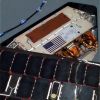
SOL003-2P126632747EFF0200P2899L6M1.jpgEarly Soles... - Sol 3 (natural colors; elab. Dr Marco Faccin)58 visitenessun commentoMareKromium
|
|
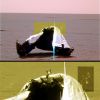
OPP-SOL330.jpgMulticolored Reflections or just "something else"? - Sol 330 (credits: Dr Marco Faccin)58 visitenessun commentoMareKromium
|
|
| 25353 immagini su 2113 pagina(e) |
 |
|
|
|
|
1366 | |
|
|
|
|





