| Risultati della ricerca nelle immagini - "light" |

Collapse_Features-Skylight-Cerberus_Fossae-PCF-LXTT-00.jpgPossible Skylight in Cerberus Fossae (CTX Frame - Enhanced Natural Colors; credits for the additional process. and color.: Dr Paolo C. Fienga - Lunexit Team)178 visitenessun commentoMareKromium
|
|

Collapse_Features-Skylight-Cerberus_Fossae-PCF-LXTT-01.jpgPossible Skylight in Cerberus Fossae (EDM - Enhanced Natural Colors; credits for the additional process. and color.: Dr Paolo C. Fienga - Lunexit Team)190 visitenessun commentoMareKromium
|
|

ESP_019351_1795_RED_abrowse-00-PCF-LXTT.jpgCollapse Pit on the S/E Flank of Pavonis Mons (CTX Frame - Absolute Natural Colors; credits for the additional process. and color: Dr Paolo C. Fienga - Lunexit Team)215 visiteCaption NASA:"This image is located on the South/Eastern Flank of Pavonis Mons, a large Volcano located in the Tharsis Region of Mars. The dark, circular Pit Feature roughly in the middle of the image is about 180 meters at its widest diameter. The Pit appears to be surrounded by small sand dunes".
Acquisition date: 12 September 2010
Mars Local Time: 15:33 (Middle Afternoon)
Latitude (centered): 0,5° South
Longitude (East): 248,6°
Spacecraft Altitude (such as "Range to Target Site"): 256,4 Km (160,2 miles)
Original Image Scale Range: 25,6 cm/pixel (with 1 x 1 binning) so objects ~77 cm across are resolved
Map Projected Scale: 25 cm/pixel and North is up
Map Projection: EQUIRECTANGULAR
Emission Angle: 3,2°
Sun-Target-MRO (such as "Phase") Angle: 51,8°
Solar Incidence Angle (S.I.A.): 55°, with the Sun about 35° above the Local Horizon
Solar Longitude: 147,2° (Northern Summer)MareKromium
|
|

ESP_019351_1795_RED_abrowse-01-PCF-LXTT.jpgCollapse Pit on the S/E Flank of Pavonis Mons (EDM - Absolute Natural Colors; credits for the additional process. and color: Dr Paolo C. Fienga - Lunexit Team)224 visiteCaption NASA:"The interior of the Pit consists of sediment-covered Boulders that range in size from approximately 5 meters (approximately 16 ft) to less than 1 meter (approximately 3 feet) in diameter. The interior region of the Pit appears to slope towards the North-West. Such Pits may form from collapse of a surface "roof" below which Lava may long ago have flowed, or as a result of removal of subsurface material due to erosion or extension".MareKromium
|
|
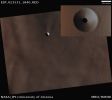
ESP_023531_1840-00.jpgSkylight on the Dusty Slopes of Arsia Mons (CTX Frame and EDM - Absolute Natural Colors; credits for the additional process. and color.: Dr Paolo C. Fienga - Lunexit Team)235 visiteMars Local Time: 14:08 (Early Afternoon)
Coord. (centered): 3,7° North Lat. and 248,5° East Long.
Spacecraft altitude: 263 Km (such as about 164,4 miles)
Original image scale range: 26,3 cm/pixel (with 1 x 1 binning) so objects ~ 79 cm across are resolved
Map projected scale: 25 cm/pixel
Map projection: EQUIRECTANGULAR
Emission Angle: 4,1°
Sun-Mars-Spacecraft (or "Phase") Angle: 30,4°
Solar Incidence Angle: 34° (meaning that the Sun is about 56° above the Local Horizon)
Solar Longitude: 339,1° (Northern Winter)
Credits: NASA/JPL/University of Arizona
Additional process. and coloring: Dr Paolo C. Fienga - Lunar Explorer ItaliaMareKromium
|
|

ESP_024481_1605-PCF-LXTT.jpgSkylight in Daedalia Planum (Enhanced Absolute Natural Colors; credits for the additional process. and color.: Dr Paolo C. Fienga - Lunexit Team)227 visiteMars Local Time: 14:38 (early afternoon)
Coord. (centered): 19,5° South Lat. and 237,6° East Long.
Spacecraft altitude: 274,7 Km (such as about 171,7 miles)
Original image scale range: 27,5 cm/pixel (with 1 x 1 binning) so objects ~ 82 cm across are resolved
Map projected scale: 25 cm/pixel
Map projection: EQUIRECTANGULAR
Emission Angle: 23,9°
Phase Angle: 31,1°
Solar Incidence Angle: 47° (meaning that the Sun is about 43° above the Local Horizon)
Solar Longitude: 16,3° (Northern Spring)
Credits: NASA/JPL/University of Arizona
Additional process. and coloring: Lunar Explorer ItaliaMareKromium
|
|
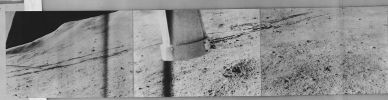
Luna21-Photomosaic-002a.jpgRover Tracks and the distant Inner Rim of LeMonnier Crater85 visitenessun commentoMareKromium
|
|

OPP-SOL005-1N128626057EFF0205P1511L0M1.jpgA "drop of light": an example of photo-artifact (1)130 visiteCome nel caso (eclatante) delle riprese fotografiche del Sole, così accade anche quando vengono fotografate delle superfici ad elevata riflettenza (tipo metallo o cristallo): l'artefatto fotografico che si produce sull'immagine è quella 'striscia', più o meno lunga, di luce che taglia il frame, passando dal centro della sorgente luminosa. Più la superficie riflettente è intensa, più lunga e spessa è la striscia che appare nell'immagine.
Noi abbiamo battezzato questo effetto come "goccia di luce" e Vi invitiamo a tenerlo ben presente: esso ci dirà, anche nel caso di riprese effettuate da distanze sensibili (dalle decine alle centinaia di metri), quando c'è qualcosa di 'metallico' all'orizzonte.
Gli esempi pratici li potete già trovare nelle Sezioni "Mars Spirit Anomalies and Maps" e "Mars Opportunity Anomalies and Maps".
|
|

OPP-SOL005-1N128626183EFF0205P1511L0M1.jpgA "drop of light": an example of photo-artifact (2)121 visitevedi il commento al frame che precede
|
|

OPP-SOL718-1N191898778EFF64KWP2733R0M1.jpgMorning Lights - Sol 71884 visiteCerchiature Rosse: photo-artifacts oppure oggetti reali? Ad esempio: la prima Cerchiatura alla Vostra Sx potrebbe mostrarci la Terra, così come appare nel cielo mattutino di Marte, mentre le altre Cerchiature Rosse ben potrebbero riferirsi ad oggetti brillanti (cristalli o metalli?) che luccicano nelle prime luci del mattino.
Oppure si tratta di una marea di artefatti fotografici?
Attenzione però: se si trattasse di photo-artifacts (e ci riferiamo, in particolare, alle piccole strisce di luce che vediamo nel Cielo di Marte - contrassegnate da Cerchiature Verdi), la NASA dovrebbe cambiare direzione e correggersi. Il motivo è semplice: analoghi streaks, in passato (verificare le foto notturne di Spirit, ad esempio), vennero attribuiti al passaggio di raggi cosmici (ergo la natura di photo-artifacts venne esclusa).
Che cosa stiamo guardando?
Caption originale:"Right Nav-Cam Non-linearized Full frame EDR acquired on Sol 718 of Opportunity's mission to Meridiani Planum at approximately 04:48:44 MLT".
|
|

OPP-SOL718-1N191899681EFF64KWP2733R0M1.jpgMorning Lights - Sol 71866 visiteCaption originale:"Right NavCam Non-linearized Full frame EDR acquired on Sol 718 of Opportunity's mission to Meridiani Planum at approximately 05:03:23 MLT".
|
|

SOL1225.jpgLight and Shadow... - Sol 1225 (Superdefinition; credits: Dr G. Barca)63 visitenessun commentoMareKromium
|
|
| 12 immagini su 1 pagina(e) |
|








