| |
| Risultati della ricerca nelle immagini - "Unusually" |

Chaotic_Terrain-Aram_Chaos-S0100839-PCF-LXTT-00.jpgUnusual Surface Features in Aram Chaos (CTX Frame - False Colors)69 visiteIl "punto interrogativo" indica - come da commento/segnalazione di un nostro Amico Lettore (il Sig. Pietro Camin) - un dettaglio superficiale apparentemente anomalo la cui forma ricorda, sebbene vagamente, quella di un triangolo isoscele che giace coricato su un fianco (in accordo, come ovvio, al punto di vista dell'Osservatore).
Si tratta, forse, di una "Struttura Artificiale"?
Ebbene la risposta ad un simile interrogativo e sulla base di un frame orbitale ottenuto da oltre 300 Km di altitudine (lo sapete bene) è impossibile (e, questo ci teniamo a sottolinearlo, solo chi tira brutalmente ad indovinare - o specula sulla credulità popolare - potrebbe rispondere manifestando certezze a tal riguardo).
Tuttavia, dato che il Sig. Camin ha legittimamente manifestato un dubbio il quale, a ben guardare, si "posiziona" (anche fisicamente) su una Regione (quella di Aram Chaos) che è in sè ricca di Rilievi Superficiali "curiosi", abbiamo deciso di fare un piccolo sforzo investigativo e quindi proporre e proporVi, in totale umiltà e senza pretesa alcuna di fornire "certezze", NON UNO, MA ALTRI TRE possibili Rilievi Superficiali Anomali presenti nei pressi del rilivo segnalato dal Sig. Pietro Camin (che ringraziamo per lo spunto).
Ed ora osservate il detail-mgnf che segue...MareKromium
|
|

Chaotic_Terrain-Aram_Chaos-S0100839-PCF-LXTT-01.jpgUnusual Surface Features in Aram Chaos (EDM - False Colors)67 visiteRilievo n. 1: il "Triangolo Isoscele". Probabilmente un'ombra o (più verosimilmente) un collapse pit o, comunque, un'area depressa: l'immagine MGS è, purtroppo, di qualità molto scarsa ed i nostri tentativi di migliorarla sono inevitabilmente produttivi di image-artifacts i quali, alla fine, confondono ancora di più le idee. Comunque sia, non abbiamo elementi per congetturare una possibile origine "non naturale" del dettaglio;
Rilievo n. 2: le (gigantesche, dato che risultano visibili da grandi altezze) "Dune Rigide" (o "Ripples") che attraversano questa Regione, come ben si vede nel frame in oggetto (ed anche senza magnificarlo), vista la facilità che hanno nel passare da aree "piatte" ad aree "elevate" rispetto al Datum" (modeste colline o dossi, ad esempio) senza modificare la loro struttura - sostanzialmente liscia e lineare -, diremmo che assomigliano di più a dei veri e propri "ponti" (i famosi "Bridges of Aram Chaos", dopo quelli di Becquerel Crater, se volete), piuttosto che a meri accumuli di sabbie e polveri dapprima rappresi (dal freddo) e poi modellati (scolpiti) dall'azione dei Venti Marziani.
Ponti, ovviamente, di origine assolutamente naturale ma di matrice "discutibile"...;
Rilievo n. 3: un "ponte" ricurvo e ad albedo elevata, COMPLETAMENTE incongruo rispetto al panorama al quale accede (per la NASA, si ribadisce, si tratta sempre e solo di Ripples, ma NESSUNO - alla NASA... - ha spiegato come delle semplici Dune Rigide potrebbero arrivare a configurarsi in questo modo...);
Rilievo n. 4: un altro "ponte" ricurvo e ad albedo elevatissima che sembra "emergere" dal sottosuolo e sulla cui origine si potrebbe discutere (restando "a tavolino") per un secolo e mezzo senza arrivare assolutamente a nulla.
Morale: la Regione di Aram Chaos (e qui l'attribuzione della caratterizzazione "Chaos" ci appare quanto mai appropriata) costituisce un autentico Paradiso di (possibili) Anomalìe.
Ma la domanda essenziale (che rivolgiamo a noi stessi ed a Voi) era ed è sempre la stessa ed è solo una: quali di queste possibili Anomalìe sono effettivamente tali e quante, invece, sono il prodotto di illusioni ottiche determinate dalla distanza e dall'angolo di ripresa?
Il che vuol dire, in breve: prima di provare anche solo a domandarci "che Natura potrebbe avere il rilievo che vediamo?", è sempre meglio cercare di capire se esso ESISTE DAVVERO oppure se si tratta solo del prodotto di un inganno ottico determinato da elementi oggettivi, reali e, per l'Osservatore, insormontabili (altezza, angolo slant del particolare ripreso, condizioni di illuminazione locale, risoluzione e definizione del frame etc.).
Tutto ciò premesso, agendo sulla base della nostra competenza ed esperienza, possiamo dire questo: la Regione di Aram Chaos presenta, effettivamente, delle Caratterizzazioni Locali ASSOLUTAMENTE peculiari e di difficile (o impossibile) spiegazione. Si potrebbe trattare di molte cose diverse ed eccezionali, oppure di nulla di speciale: noi non lo sappiamo. Quello che sappiamo, è che solo l'analisi pragmatica e razionale (e NON pre-orientata) dei dati - ivi: le immagini - ci può aiutare a capire qualcosa di quello che osserviamo.
Ma la certezza (QUALSIASI certezza) potrà arrivare solo andando in loco.
Operando al di fuori di questo "range di razionalità" - credeteci - si "naviga a vista" in un oceano di congetture, illazioni, speculazioni e bufale vere e proprie (e che Hoagland & Compagnia Bella ci perdonino...).MareKromium
|
|

ESP_014159_1670_RED_abrowse-00.jpg"Worm-like" Surface Feature in the Southern Highlands (ctx frame - Natural Colors; credits: Lunexit)70 visitenessun commentoMareKromium
|
|

ESP_014159_1670_RED_abrowse-01.jpg"Worm-like" Surface Feature in the Southern Highlands (EDM - Natural Colors; credits: Lunexit)72 visitenessun commentoMareKromium
|
|

ESP_020794_1860_RED_abrowse.jpg"!" (Absolute Natural Colors; credits for the additional process. and color.: Dr Paolo C. Fienga - Lunexit Team)115 visitenessun commentoMareKromium
|
|

ESP_031268_2115-PCF-LXTT-IPF-0.jpgUnusually-looking Surface Feature (CTX Frame - Absolute Natural Colors; credits for the additional process. and color.: Dr Paolo C. Fienga/Lunar Explorer Italia/Italian Planetary Foundation)86 visiteThis image, taken by the NASA - Mars Reconnaissance Orbiter on March 28, 2013, shows us a number of shallow and Irregular Pit-like Features with Raised Rims, all concentrated along Ridges and other Topographic Features (---> Surface Reliefs). How did these unusually-looking Surface Features form? One idea is that they could be the final and visible result of the Sublimation of shallow lenses of nearly pure Ice but, even assuming that this theory is correct, why do the Pits have Raised Rims? So far, nobody was good enough to answer to that question.
If we keep reasoning about the possible nature of these Surface Features, we also have to say that they cannot - reasonably - be just shallow Impact Craters, because such an alignment seems extremely unlikely (and the irregular margins of the alleged "Impact Craters" would be even harder to explain); furthermore, these Landforms cannot even be Wind-blown Deposits of Material because, all the way next to them, can be seen very many Boulders which are way too big (and therefore too heavy!) to be moved simply by the Wind.
As you can see, there are younger Wind-blown Drifts on top of the Pits and, for the time being, we have not found a clear (---> substantiated) connection between these Landforms and some possible Volcanic Phenomenon. However, a few Planetary Scientists speculated that there might have been ancient Oceans over this Region, but could this possibility, even if it is correct, somehow be good to satisfactorily explain these Features? The answer is no. Last, but not least, what we see in this frame could also be the result of an ancient Glaciation where, perhaps, powerful Winds deposited Ice-rich Debris next to Topographic Obstacles.
Future (and closer) images of this Region may provide us with more clues but, for now, this Landforms are still a mystery. Just one of the many, of course...
Mars Local Time: 14:20 (Early Afternoon)
Coord. (centered): 30,959° North Lat. and 339,402° East Long.
Spacecraft altitude: 293,8 Km (such as about 182,449 miles)
Original image scale range: 58,8 cm/pixel (with 2 x 2 binning) so objects ~ 1 mt and 76 cm across are resolved
Map projected scale: 50 cm/pixel
Map projection: EQUIRECTANGULAR
Emission Angle: 2,6°
Phase Angle: 62,5°
Solar Incidence Angle: 64° (meaning that the Sun was about 26° above the Local Horizon at the time the picture was taken)
Solar Longitude: 290,8° (Northern Winter - Southern Summer)
Credits: NASA/JPL/University of Arizona
Additional process. and coloring: Lunar Explorer Italia
This picture (which is a NASA - Original Mars Reconnaissance Orbiter NON-Map Projected EDM b/w frame identified by the serial n. ESP_031268_2115-1) has been additionally processed and then colorized in Absolute Natural Colors (such as the colors that a human eye would actually perceive if someone were onboard the NASA - Mars Reconnaissance Orbiter and then looked down, towards the Surface of Mars), by using an original technique created - and, in time, dramatically improved - by the Lunar Explorer Italia Team.MareKromium
|
|

ESP_031268_2115-PCF-LXTT-IPF-1.jpgUnusually-looking Surface Feature (EDM - Absolute Natural Colors; credits for the additional process. and color.: Dr Paolo C. Fienga/Lunar Explorer Italia/Italian Planetary Foundation)80 visiteThis image, taken by the NASA - Mars Reconnaissance Orbiter on March 28, 2013, shows us a number of shallow and Irregular Pit-like Features with Raised Rims, all concentrated along Ridges and other Topographic Features (---> Surface Reliefs). How did these unusually-looking Surface Features form? One idea is that they could be the final and visible result of the Sublimation of shallow lenses of nearly pure Ice but, even assuming that this theory is correct, why do the Pits have Raised Rims? So far, nobody was good enough to answer to that question.
If we keep reasoning about the possible nature of these Surface Features, we also have to say that they cannot - reasonably - be just shallow Impact Craters, because such an alignment seems extremely unlikely (and the irregular margins of the alleged "Impact Craters" would be even harder to explain); furthermore, these Landforms cannot even be Wind-blown Deposits of Material because, all the way next to them, can be seen very many Boulders which are way too big (and therefore too heavy!) to be moved simply by the Wind.
As you can see, there are younger Wind-blown Drifts on top of the Pits and, for the time being, we have not found a clear (---> substantiated) connection between these Landforms and some possible Volcanic Phenomenon. However, a few Planetary Scientists speculated that there might have been ancient Oceans over this Region, but could this possibility, even if it is correct, somehow be good to satisfactorily explain these Features? The answer is no. Last, but not least, what we see in this frame could also be the result of an ancient Glaciation where, perhaps, powerful Winds deposited Ice-rich Debris next to Topographic Obstacles.
Future (and closer) images of this Region may provide us with more clues but, for now, this Landforms are still a mystery. Just one of the many, of course...
Mars Local Time: 14:20 (Early Afternoon)
Coord. (centered): 30,959° North Lat. and 339,402° East Long.
Spacecraft altitude: 293,8 Km (such as about 182,449 miles)
Original image scale range: 58,8 cm/pixel (with 2 x 2 binning) so objects ~ 1 mt and 76 cm across are resolved
Map projected scale: 50 cm/pixel
Map projection: EQUIRECTANGULAR
Emission Angle: 2,6°
Phase Angle: 62,5°
Solar Incidence Angle: 64° (meaning that the Sun was about 26° above the Local Horizon at the time the picture was taken)
Solar Longitude: 290,8° (Northern Winter - Southern Summer)
Credits: NASA/JPL/University of Arizona
Additional process. and coloring: Lunar Explorer Italia
This picture (which is a NASA - Original Mars Reconnaissance Orbiter NON-Map Projected EDM b/w frame identified by the serial n. ESP_031268_2115-1) has been additionally processed and then colorized in Absolute Natural Colors (such as the colors that a human eye would actually perceive if someone were onboard the NASA - Mars Reconnaissance Orbiter and then looked down, towards the Surface of Mars), by using an original technique created - and, in time, dramatically improved - by the Lunar Explorer Italia Team.MareKromium
|
|
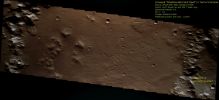
Landslides-Terra_Cimmeria-20080429a-PCF-LXTT.jpgJust a "Shadow"? (Enhanced Natural Colors; credits: Dr Paolo C. Fienga - Lunar Explorer Italia)69 visitenessun commentoMareKromium
|
|
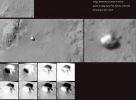
Mars3-MF.jpgIs this "CCCP-Mapc 3" or just a Boulder? (an Image-Mosaic by Dr Marco Faccin)97 visitenessun commentoMareKromium
|
|

OPP-SOL1100-1P225837906EFF791MP2893L2M1.jpgLittle and unusually shaped outcrop - Sol 110066 visiteUn rilievo non troppo distante dal margine del Cratere Victoria si caratterizza per la sua forma "ad arco" o a "semicerchio" (una forma ovviamente frutto della casualità, ma non per questo poco interessante) al cui interno si vede una roccia appena più grande la quale, allineandosi ai due estremi, viene a formare un disegno che di certo intrigherà più di un Osservatore.
|
|
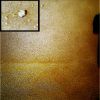
OPP-SOL1639-MF.jpgUnusual Surface Feature near Victoria (True - but enhanced - Colors; credits: Dr M. Faccin)67 visitenessun commentoMareKromium
|
|
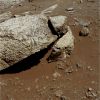
OPP-SOL206-3.jpgSurface Details - Sol 206 (possible True Colors; credits: Dr G. Barca & Lunexit)66 visitenessun commentoMareKromium
|
|
| 40 immagini su 4 pagina(e) |
1 |
 |
|
|
|








