| Risultati della ricerca nelle immagini - "Scoop" |
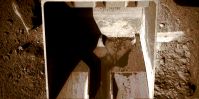
PHOE-SOL013-lg_3360.jpgEmpty "Scoop" and "Signs" of Humidity? - Sol 13 (Superdefinition + MULTISPECTRUM; credits: Dr M. Faccin & Lunexit)71 visitenessun commentoMareKromium
|
|
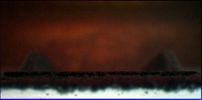
PHOE-SOL013-lg_3545.jpgHard to describe... - Sol 13 (Superdefinition; credits: Dr M. Faccin)64 visiteChe cosa rappresenta questo frame? Ed il colore che vediamo è "naturale" oppure è un prodotto dell'illuminazione artificiale a diodi usata da Phoenix?
Avete delle idee al riguardo? Scrivete!MareKromium
|
|

PHOE-SOL014-lg_3571-3572-3573.jpgReady for "Baking".... - Sol 14 (Superdefinition; credits: Dr G. Barca)65 visitenessun commentoMareKromium
|
|

PHOE-SOL016-lg_4865.jpgVastitas Borealis - Sol 16 (credits: NASA/Univ. of Arizona)73 visiteIl "tristissimo" (e, onestamente parlando, pure piuttosto scialbo) commento scritto per questo frame nella (di solito eccellente) Rubrica "NASA - Picture of the Day" il giorno 15 Giugno 2008:"What's a good recipe for preparing Martian soil? Start by filling your robot's scoop a bit less than half way. Next, dump your Martian soil into one of your TEGA ovens, being sure to watch out for clumping. Then, slowly increase the temperature to over 1000° Celsius over several days. Keep checking to see when your soil becomes vaporized. Finally, your Martian soil is not ready for eating, but rather sniffing. The above technique is being used by the Phoenix Lander that arrived on Mars 3 weeks ago. Data from the first batch of baked soil should be available in a few days. Pictured above, a circular array of the Phoenix Lander's solar panels are visible on the left, while a scoop partly filled with Martian soil is visible on the right. The robotic Phoenix Lander will spend much of the next 3 months digging, scooping, baking, sniffing, zapping, dissolving, and magnifying bits of Mars to help neighboring Earthlings learn more about the hydrologic and biologic possibilities of the sometimes mysterious red planet".
Una "perla" NASA che, forse, Vi è sfuggita: nella riga finale "...hydrologic and biologic possibilities of the SOMETIMES mysterious Red Planet...". Cioè il Pianeta Rosso è misterioso solo TALVOLTA (sometimes)?!? E se lo è "TALVOLTA", di regola che cos'è? E QUANDO Marte DIVENTA "misterioso"?
D'accordo, noi saremo anche pignoli, ma alla NASA - visto e considerato che queste righe le scrive un "Professional Astronomer" - o sono diventati completamente sibillini oppure sono proprio insipidi e saccenti (ed è difficile dire quale scenario sarebbe il peggiore...).
Nota: tra le fotografie di Marte con colori "taroccati" in favore della banda del giallo/arancio, questa è davvero una delle più brutte e palesemente falsificate.MareKromium
|
|

PHOE-SOL026-PIA10921.jpgThanks for Copying US!96 visiteCaption NASA:"This image shows a microscopic view of fine-grained material at the tip of the Robotic Arm Scoop as seen by the Robotic Arm Camera (RAC) aboard NASA's Phoenix Mars Lander on June 20, 2008, the 26th Martian Day, or Sol, of the mission.
RAC scientists took this image at a resolution of 30 microns by rotating the scoop to within 11 millimeters of the camera's front lens and refocusing the camera to macro focus. The image shows small clumps of fine, fluffy, red soil particles collected in a sample called 'Rosy Red'.
The sample was dug from the trench named 'Snow White' in the area called 'Wonderland'. Some of the Rosy Red sample was delivered to Phoenix's Optical Microscope and Wet Chemistry Laboratory for analysis.
The RAC provides its own illumination, so the color seen in RAC images is color as seen on Earth, not color as it would appear on Mars".
Nota Lunexit: questo frame, pubblicato sul Planetary Photojournal in data 26 Giugno 2008, è un'evidente scopiazzatura - materiale e concettuale - del Lavoro svolto dal Dr Faccin e pubblicato su Lunexit in data 24 Giugno 2008 (il Lavoro del Dr Faccin è due frames prima di questo). Siamo indecisi tra l'essere "onorati" e l'essere "furenti" (EUFEMISMO!!!). Voi che cosa suggerite?!?...MareKromium
|
|
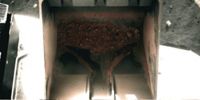
PHOE-SOL035-lg8615-8616-8617.jpgScooping Away! - Sol 35 (natural colors + MULTISPECTRUM; credits: Dr G. Barca & Lunexit)64 visitenessun commentoMareKromium
|
|

PHOE-SOL039-lg9922-9929-9930.jpgSolar Panels and Scoop - Sol 39 (natural colors; credits: Dr G. Barca)64 visitenessun commentoMareKromium
|
|

PHOE-SOL049-13039-13040-13041-2-comp.jpgPhoenix Scoop Inverted Showing Rasp (credits: NASA/JPL/Univ. of Arizona - Dx - and Dr Barca & Lunexit - Sx)74 visiteCaption NASA:"This image taken by the Surface Stereo Imager on Sol 49, or the 49th Martian Day of the mission (July 14, 2008), shows the silver colored rasp protruding from NASA's Phoenix Mars Lander's Robotic Arm Scoop.
The Scoop is inverted and the rasp is pointing up. Shown with its forks pointing toward the ground is the Thermal and Electrical Conductivity Probe, at the lower right.
The Robotic Arm Camera is pointed toward the ground".MareKromium
|
|
PHOE-SOL060-lg16033-16034-16035.jpgPhoenix and Surface - Sol 60 (Superdefinition and natural colors; credits: Dr G. Barca)65 visitenessun commentoMareKromium
|
|

PHOE-SOL072-NASAORIG.jpgOooooooopsssss!!!!! - Sol 72 (false colors; credits: NASA)81 visiteSi, i colori di questo frame - come la NASA stessa suggerisce - saranno anche falsi, ma...Come mai il metallo del Lander e le altre sue componenti visibili (su tutte, la plancia, le viti e la barra di sostegno visibile in basso a Sx) sono in "colori naturali", mentre il terriccio è (leggermente) saturato e la Bandiera Americana è diventata tutta color "rubino"?!? Dove è andato a finire il "blu"?!?
Allora...Chiamateci pure "Complottisti", se Vi va, ma ricordateVi una cosa: i colori di Marte proposti dalla NASA sono - purtroppo - SEMPRE FALSI, come questo frame dimostra in maniera quasi disarmante.
Porre in essere, sulla totalità dei frames offerti al Pubblico nella loro versione "a colori", una alterazione "differenziata dei colori naturali", per i nostri Amici di Pasadena, è ormai diventato un giochetto abituale e da ragazzi (un "giochetto" che sappiamo fare anche noi, però).
Conseguenze: la Superficie di Marte viene, praticamente da sempre, nascosta agli sguardi indiscreti con una passata di rosso (che non è esattamente il "Filtro Rosso" di cui parla, comunque a proposito, l'Amico e Collega Matteo Fagone).
Una "passata" - ottenuta in via differenziale - la quale è sufficiente a cancellare tutte le sfumature del suolo e del cielo e che quindi giunge ad impedire che l'Osservatore/Analista possa arrivare, nel tempo, all'acquisizione di un'esatta percezione dell'ambiente reale Marziano (e, di conseguenza, ad individuare delle aree superficiali di colori diversi dal "rosso/rosa/giallo ocra" e, forse, "compromettenti").
Comunque sia, se dobbiamo essere onesti sino in fondo, questo caso ha comunque il profumo della "stupidata pazzesca" (causata da una distrazione o da un momento di stanchezza - capita a tutti!) piuttosto che quello del "cover-up"...Non credete?!?MareKromium
|
|
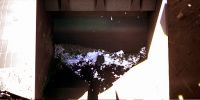
PHOE-SOL125-MF.jpgA lot of Ice in the "Scoop"! - Sol 125 (True Colors; credits: Dr M. Faccin)66 visitenessun commentoMareKromium
|
|

SOL0061-ML0315000082M0_DXXX-0061ML0315000239M0_DXXX-GB-LXTT-IPF.gifGood Vibrations... - Sol 61 (a GIF-Movie by Dr Gianluigi Barca/Lunar Explorer Italia/Italian Planetary Foundation)82 visitenessun commentoMareKromium
|
|
| 13 immagini su 2 pagina(e) |
1 |
|








