| Risultati della ricerca nelle immagini - "Pad" |

Dione-PIA07748.jpgThe surface of Dione from about 4486 Km77 visiteThe terrain in this image is located within a 60-Km-wide impact crater along the feature called Padua Linea. The western rim of the encompassing crater runs from the middle left to the upper right. The crater's central peak can be seen at the lower right. Multiple generations of fractures are visible here. Numerous fine, roughly parallel linear grooves run across the terrain from top to bottom and are interrupted by the larger, irregular bright fractures. In several places, fractures postdate some deposits in the bottoms of craters that are not badly degraded by time. Such a fracture, for example, runs from the center toward the upper right. Most of the craters seen here have bright walls and dark deposits of material on their floors. As on other Saturnian moons, rockslides on Dione may reveal cleaner ice, while the darker materials accumulate in areas of lower topography and lower slope (e.g. crater floors and the bases of scarps). This view is centered on terrain near 11° South lat. and 238° West long.
|
|

PHOE-SOL001-P-lg_431.jpgOne "Leg" and "Landing Pad" of Phoenix - Sol 1 (Natural Colors + MULTISPECTRUM; credits: Dr M. Faccin & Lunexit)67 visitenessun commentoMareKromium
|
|
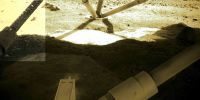
PHOE-SOL007-lg_2274-A.jpgIce on the Lander - Sol 7 (false colors; credits: Dr M. Faccin)70 visiteEsiste del "ghiaccio superficiale" (e frammisto a terriccio) sull'area di Landing della Sonda Phoenix? Beh, a giudicare da quanto si vede in questo frame e nei due detail mgnf che seguono (tutti realizzati dal Dr Faccin), la risposta non può che essere "SI". Certo che c'è ghiaccio.
I retrorazzi che hanno regalato una quieta discesa ed un soft-landing alla Sonda Phoenix hanno - a quanto pare - liquefatto un grande quantitativo di ghiaccio superficiale; lo hanno trasformato in vapore acqueo e questo, dopo aver "accarezzato" alcune componenti situate nella porzione inferiore del Lander, si è poi rapidamente ricongelato, lasciando quelle "bollicine" (una sorta di mini-escrescenze) che tanto bene si vedono in questi frames.
Dunque, se il discorso delle "Evidenze Oggettive" ha un senso, qui abbiamo un'altra Evidenza Oggettiva del fatto che la superficie di Vastitas (o, se non altro, quella della zona in cui è avvenuto il Landing di Phoenix) è effettivamente ricca di ghiaccio ANCHE superficiale. E perchè non lo si vede nei frames panoramici? Perchè è FRAMMISTO al terriccio di Vastitas!
Che dite? Vi piace la "teoria"? Chissà quanto ci metteranno gli Amici di Pasadena prima di avanzare questa ipotesi...
Complimenti e CONGRATULAZIONI, ancora una volta, al Dr Faccin!MareKromium
|
|
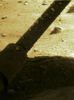
PHOE-SOL007-lg_2274-B.jpgIce on the Lander - Sol 7 (false colors; credits: Dr M. Faccin)66 visiteUn frame bellissimo, un detail mgnf quasi inequivocabile, un grandissimo Lavoro del Dr Faccin. Tutto qui. E scusate se è poco...MareKromium
|
|
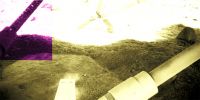
PHOE-SOL007-lg_2289.jpgIce on the Lander - Sol 7 (false colors; credits: Dr M. Faccin)65 visitenessun commentoMareKromium
|
|
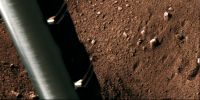
PHOE-SOL037-lg9455-9466-9467.jpgVastitas' Foreshortening - Sol 37 (Superdefinition + MULTISPECTRUM; credits: Dr G. Barca & Lunexit)65 visitenessun commentoMareKromium
|
|
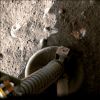
PHOE-SOL038-lg9714-9715-9716.jpgFrozen Landing Pad - Sol 38 (natural colors; credits: Dr G. Barca)66 visitenessun commentoMareKromium
|
|
|
| 7 immagini su 1 pagina(e) |
|








