| Risultati della ricerca nelle immagini - "Mud" |
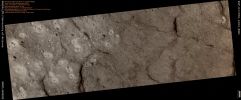
ESP_017950_2205_RED_abrowse.jpgMore "Mud-Volcanoes" (?) in Acidalia Planitia (Absolute Natural Colors; credits for the additional process. and color.: Dr Paolo C. Fienga - Lunexit Team)115 visiteMareKromium
|
|

ESP_019612_2250_RED_abrowse.jpgMud-Volcanoes (?) in Acidalia Planitia (Absolute Natural Colors; credits for the additional process. and color.: Dr Paolo C. Fienga - Lunexit Team)110 visiteThis proposed future Mars Landing Site in Acidalia Planitia targets densely occurring Mounds thought to be "Mud Volcanoes".
Mud Volcanoes are geological structures formed when a mixture of gas, liquid and fine-grained rock (or mud) is forced to the Surface from several meters to kilometers underground.
Scientists are targeting these Mud Volcanoes because the sediments, brought from depth, could contain organic materials that might provide evidence for possible past and present microbial life on Mars.MareKromium
|
|
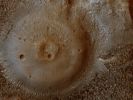
Mud_Volcano-MRO.jpgMud Volcanoes on Mars? (Natural Colors; credits: Lunar Explorer Italia)68 visiteDa "NASA - Picture of the Day" del giorno 30 Marzo 2009:"Is this a Mud Volcano on Mars? If so, could it be dredging up Martian Microbes? This strange possibility has been suggested recently and seems to fit several recent observations of Mars.
First of all, hills like this seem to better resemble Mud Volcanoes on Earth than Lava Volcanoes and Impact Craters on Mars.
Next, the pictured dome has an unusually textured surface consistent with fractured ice. Infrared images from space indicate that hills like this cool more quickly than surrounding rock, consistent with a dried mud composition.
The hills also reflect colors consistent with a composition that formed in the presence of water.
Finally, unusual plumes of gas containing Methane have been found on Mars with unknown origin. These gas plumes could conceivably have been liberated by Mud Volcanoes, were the initially warm mud to contain Methane-producing microbes drifting in a previously unobservable underground lake.
A candidate mud volcano over 100 meters across is pictured above in the Northern Plains (Vastitas Borealis Region) of Mars".MareKromium
|
|
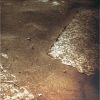
OPP-SOL1419-1P254154396EFF8884P2418R2M1.jpgRazorblades, on the edge of Victoria - Sol 1419 (MULTISPECTRUM; credits: Lunexit)69 visiteLa roccia che vedete alla Dx del frame presenta, sul suo lato lungo, una lunga serie di quelle curiose escrescenze lamellari che gli Scienziati di Pasadena hanno battezzato, sin dai tempi dell'esplorazione del Cratere Endurance, come "Razorblades" (ossìa: "lamette da/per rasoio").
La motivazione scientifica di supporto alla spiegazione relativa alla formazione delle "Razorblades" di Endurance fu in individuata nell'esistenza e nel transito di acque correnti, in epoche remote, lungo le pareti ed i Pavimenti del Cratere stesso (nota: le Razorblades, secondo a questa teoria, sarebbero la rimanenza visibile di un accumulo di sali e detriti vari i quali, trasportati da correnti "vive" (ma meglio sarebbe dire "modestissimi rivoli d'acqua"), si sono - nel tempo - ammassati e compattati sui lati dei pavimenti (i quali, di fatto, fungevano da "miniargini" per questi rivoletti di acqua sporca) sino a formare, sui loro bordi, queste "escrescenze".
La costruzione NASA a noi è sempre sembrata ragionevole (soprattutto avendo ben presente la morfologia delle Razorblades di Endurance e la loro collocazione sul suo Paving); tuttavia, se osservate le Razorblades di questo frame - e di altri relativi al Cratere Victoria - non dovrebbe risultarVi difficile notare come l'ipotesi degli Amici di Pasadena, vista la configurazione dei Pavimenti di Victoria, improvvisamente viene a perdere credibilità ed "appeal".
E si: perchè se le Razorblades si fossero formate davvero a seguito di depositi di sali e detriti trasportati da rivoli (anche deboli, ma certo duraturi) d'acqua corrente, allora dovrebbe essere anche possibile individuare, tramite le immagini, il "letto" - piccolo sinchè si vuole, ma certo esistente - del rivolo d'acqua che concorse alla loro formazione.
Minuscoli "letti" che, per Endurance, erano - in parte - visibili, ma che qui, su Victoria, non si vedono proprio.
Certo, l'ipotesi NASA resta - lo riconosciamo tranquillamente - resta la più logica e la più sensata; però un'ipotesi che sia foriera di Verità Scientifiche dovrebbe resistere e confermarsi al sussistere di condizioni di riferimento analoghe od affini.
Il che, purtroppo, in questo caso di specie sembra proprio che non avvenga.MareKromium
|
|

OPP-SOL1419-1P254154623EFF8884P2418R2M1.jpgVictoria's "Lake" (1 - MULTISPECTRUM; credits: Lunexit)77 visitenessun commentoMareKromium
|
|

OPP-SOL1419-1P254154733EFF8884P2418R2M1.jpgVictoria's "Lake" (2 - MULTISPECTRUM; credits: Lunexit)83 visitenessun commentoMareKromium
|
|

Volcanic_Features-Lava_or_Mud_Flows-00.jpgControversial Features of Zephyria Planum (Original NASA/MGS/MSSS b/w Frame)65 visiteOriginal caption:"This MGS-MOC image shows a portion of a shallow Channel carved in the Plains of the Zephyria Region of Mars. This feature might be the result of the passing of either extremely fluid Lava or, perhaps, Mud".
Location near: 5,1° North Lat. and 203,7° West Long.
Image width: ~3 Km (~1.9 mi)
Season: Northern Winter
|
|

Volcanic_Features-Lava_or_Mud_Flows-01.jpgControversial Features of Zephyria Planum (Absolute Natural Colors; credits for the additional process. and color.: Dr Paolo C. Fienga - Lunexit Team)124 visiteOriginal caption:"This MGS-MOC image shows a portion of a shallow Channel carved in the Plains of the Zephyria Region of Mars. This feature might be the result of the passing of either extremely fluid Lava or, perhaps, Mud".
Location near: 5,1° North Lat. and 203,7° West Long.
Image width: ~3 Km (~1,9 mi)
Season: Northern WinterMareKromium
|
|
| 8 immagini su 1 pagina(e) |
|








