| Risultati della ricerca nelle immagini - "Little" |

Jupiter-050107_11.jpgThe "Little Spot" of Jupiter67 visiteThis amazing color portrait of Jupiter’s “Little Red Spot” (LRS) combines high-resolution images from the New Horizons Long Range Reconnaissance Imager (LORRI), taken at 03:12 UT on February 27, 2007, with color images taken nearly simultaneously by the Wide Field Planetary Camera 2 (WFPC2) on the Hubble Space Telescope. The LORRI images provide details as fine as 9 miles across (15 Km), which is approx. 10 times better than Hubble can provide on its own.
The improved resolution is possible because New Horizons was only 1,9 MMs (about 3 MKM) away from Jupiter when LORRI snapped its pictures, while Hubble was more than 500 MMs (abou 800 MKM) away from the Gas Giant Planet.
The Little Red Spot is the second largest storm on Jupiter, roughly 70% the size of the Earth, and it started turning red in late-2005. The clouds in the Little Red Spot rotate counterclockwise, or in the anticyclonic direction, because it is a high-pressure region. In that sense, the Little Red Spot is the opposite of a hurricane on Earth, which is a low-pressure region – and, of course, the Little Red Spot is far larger than any hurricane on Earth.
Scientists don't know exactly how or why the Little Red Spot turned red, though they speculate that the change could stem from a surge of exotic compounds from deep within Jupiter, caused by an intensification of the storm system. In particular, sulfur-bearing cloud droplets might have been propelled about 50 kilometers into the upper level of ammonia clouds, where brighter sunlight bathing the cloud tops released the red-hued sulfur embedded in the droplets, causing the storm to turn red. A similar mechanism has been proposed for the Little Red Spot's "older brother," the Great Red Spot, a massive energetic storm system that has persisted for over a century.
New Horizons is providing an opportunity to examine an “infant” red storm system in detail, which may help scientists understand better how these giant weather patterns form and evolve.
MareKromium
|
|

OPP-SOL2071-MF-LXT.jpgBizarre!... - Sol 2071 (Natural Colors; credits: Dr M. Faccin & Lunexit)63 visitenessun commentoMareKromium
|
|

OPP-SOL929-1N210665715EFF75__P0685R0M1.jpg"Little One": just before Victoria (1) - Sol 92963 visiteUno splendido (e piccolo) cratere - dalle dimensioni apparenti di 25/30 mt di diametro - che abbiamo battezzato "Little One": l'ultima fermata prima del grande Victoria Crater il cui bordo (rim) lo si può già vedere con una discreta chiarezza (nei tre frames precedenti).
La NASA, a proposito di nomi e battesimi, ha invece chiamato questo piccolo cratere con il nome di "Emma Dean".
|
|
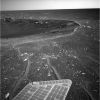
OPP-SOL929-1N210665767EFF75__P0685R0M1.jpg"Little One": just before Victoria (2) - Sol 92962 visitenessun commento
|
|

PHOE-SOL134-lg39407-39408-39409-2.jpgThe Little (Man-Made) Mound near Phoenix - Sol 134 (Superdefinition and possible True Colors; credits: Dr G. Barca)68 visitenessun commentoMareKromium
|
|
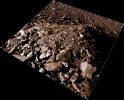
PHOE-SOL134-lg39407-39408-39409-3.jpgThe Little (Man-Made) Mound near Phoenix: perspective View - Sol 134 (Superdefinition and possible True Colors; credits: Dr G. Barca)91 visitenessun commentoMareKromium
|
|

ZZ-ZZ-ZZ-ZZ-ZZ-ZZ-ZZ-ZZ-ZZ-ZZ-ZZ-ZZ-ZZ-ZZ-ZZ-ZZ-ZZ-ZZ-ZZ-ZZ-TheMartianTurtle.jpgThe "Little Turtle" (by Roberto Tremolada)148 visiteCome già scrivevamo e dicevamo a proposito di altri rilievi superficiali individuati da alcuni dei nostri Cari Amici, anche questo dettaglio - sottopostoci dal nostro Artista dello Spazio, Roberto Tremolada - si presta ad illazioni, speculazioni e supposizioni.
Che cosa stiamo guardando?
Sicuramente - anche se la definizione dell'immagine non è affatto buona - stiamo osservando qualcosa di MOLTO interessante, poichè in questo singolo frame (come in altre "n" versioni del medesimo scorcio di superficie) abbiamo/troviamo svariati elementi di riflessione.
Abbiamo una roccia con "foro rettangolare"; abbiamo "The Shell named Ginny" e, come il bravo Roberto ci scrive, troviamo anche una roccia che ricorda, a causa delle sue bizzarre fattezze, una "Tartaruga" che, con il collo sollevato, ci osserva interrogativamente...
Il punto - lo sapete, ormai, MOLTO bene - è solo uno e quindi noi ci limitiamo a ribadire un solo e semplice concetto: Marte è (effettivamente) "strano".
La configurazione esteriore di un numero impressionante di Rocce Marziane ci lascia senza parole ed a bocca aperta: questa roccia è solo "one of the many".
Casualità pura? Assenza di "agenti atmosferici" significativi? Fantasia eccessiva oppure - chissà... - antichi Fossili e/o attuali Forme Vitali Indigene?
Non c'è limite alla Fantasia e non c'è limite alla nostra e Vostra Voglia e Capacità di cercare: noi, tutte le volte in cui siamo chiamati ad esprimerci da Amici come Roberto, Carlo, Enzo e tanti altri (che non ci scrivono più da tempo - peccato...) possiamo solo dire una cosa: una "stranezza" è normale.
Anche due sono normali.
Tre sono un fatto curioso.
Quattro sono un fatto intrigante.
Cinque, sei, sette etc. ad infinitum...Beh, allora NON SONO più "stranezze"...
Forse si tratta di qualche altra cosa, per la cui corretta (e DEFINITIVA) visione ed interpretazione è (probabilmente) ancora troppo presto. Per noi. Non siamo ancora pronti a "vedere" e "capire" bene.
E comunque, se ci permettete un consiglio "friendly" (che Vi diamo dopo aver letto - quà e là sulla Rete - articoli di Scienziati, Ricercatori ed Investigatori dello Spazio che si ritrovano SEMPRE con la Verità fra le mani... -) se volete essere UMANI e CREDIBILI...DUBITATE SEMPRE!
...O no?!?MareKromium
|
|
|
| 7 immagini su 1 pagina(e) |
|








