| Risultati della ricerca nelle immagini - "Head"" |
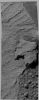
OPP-SOL714-MF-LXTT-1.jpgIs this just a "Small Flat Rock"? - Sol 714 (CTX Frame - credits for the additional process.: Dr Marco Faccin - Lunexit Team)181 visiteIl particolare è impercettibile, poichè quasi del tutto coperto dalla roccia stratificata che campeggia a centro immagine, sul lato alla Dx dell'Osservatore.
Il particolare, inoltre, è davvero minuscolo (osservatelo in relazione ai Berries che vedete in basso) e quindi ancora più complesso da identificare.
Ma non si tratta, a nostro modesto parere, di un particolare "irrilevante", anzi: potrebbe davvero trattarsi di qualcosa di "Anomalo", a tutti gli effetti.
Vi suggeriamo di osservare questo frame in parallelo con l'elaborazione in Superdefinizione (operata dal nostro Dr Barca) del medesimo particolare, ma in un frame relativo al Sol 708; un frame il quale venne ottenuto da una poszione diversa ed in accordo ad una (profondamente) differente Geometria di Illuminazione.
Guardate bene i due frames e poi chiedeteVi (a bassa voce...): Is There Life On Mars?...MareKromium
|
|
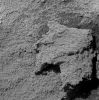
OPP-SOL714-MF-LXTT-2.jpgIs this just a "Small Flat Rock"? - Sol 714 (EDM n.1 - credits for the additional process.: Dr Marco Faccin - Lunexit Team)210 visitenessun commentoMareKromium
|
|

OPP-SOL714-MF-LXTT-3.jpgIs this just a "Small Flat Rock"? - Sol 714 (EDM n.2 - credits for the additional process.: Dr Marco Faccin - Lunexit Team)519 visiteCome sapete, se siete dei Lettori fedeli ed assidui di Lunexit, la nostra posizione "finale" su qualsiasi frame il quale presenti caratteri "anomali" nel suo contesto è e sarà SEMPRE una posizione pragmatica ma anche, in determinati casi ed a determinate condizioni, "possibilista".
E questo è uno di quei "casi" in cui, a nostro modestissimo parere, non ci è possibile - alla fine dell'analisi - nè optare per l'Ipotesi Esotica (presenza di una Forma Vitale Indigena), per evidente carenza di sufficienti elementi di supporto, nè optare per l'Ipotesi "Classica" (trattasi di semplice roccia), per evidente presenza di svariati elementi che SEMBRANO suggerire scenari diversi.
Su tutti, oltre alla forma e colore del Dettaglio - i quali lo distinguono nettamente dai suoi dintorni, con ciò rendendolo "Anomalo" (nel senso di 'fuori-contesto') - diremmo che è proprio la configurazione esteriore (e cioè la "posizione") dell'Anomalìa, in relazione al contesto al quale Essa accede, che rende quanto ripreso del tutto particolare e, a nostro avviso, intrigante.
Ognuno di Voi, poi (ed ovviamente), potrà trarre le conclusioni che ritiene più opportune. Quello che era il nostro compito (e cioè EVIDENZIARE un Dettaglio intrigante), grazie al Lavoro del nostro Amico e Partner, Marco Faccin, è stato assolto. Ed ancora una volta, per coloro che vogliono "vedere" oltre che "guardare", c'è tantissimo Food-for-Thoughts"!
Complimenti grandissimi, as usual, al nostro Titanio44!!!MareKromium
|
|

OPP-SOL714-MF-LXTT-4.jpgIs this just a "Small Flat Rock"? - Soles 707 and 714 (an Image Mosaic by Drr Gianluigi Barca and Marco Faccin - Lunexit Team)273 visite...Si è "mosso" qualcosa, tra il Sol 707 ed il Sol 714? E' "cambiato" qualcosa nei pressi della roccia ripresa in primo piano dal MER Opportunity a cavallo dei Soles 707 e 714?
Probabilmente SI. Ma non diciamolo troppo ad alta voce...MareKromium
|
|

SOL0173-EDM-MR0926020000E1_DXXX.jpgExtremely unusually-looking Feature on the Floor of Yellowknife Bay: "The Metal Head" - Sol 173 (EDM: Calibrated Natural Colors - Credits: Dr Gianluigi Barca/Lunar Explorer Italia/Italian Planetary Foundation366 visiteMareKromium
|
|

SOL0173-GB-LXTT-IPF-CTX+EDM.jpgExtremely unusually-looking Feature on the Floor of Yellowknife Bay: "The Metal Head" - Sol 173 (CTX Frame: RAW Natural Colors and EDM: Calibrated Natural Colors - Credits: Dr Gianluigi Barca/Lunar Explorer Italia/Italian Planetary Foundation286 visiteMareKromium
|
|

SOL0173-GB-LXTT-IPF-CTX+EDM_ivana_p3_(1).jpgMartian Oddities - Sol 173230 visiteAs we wrote in yesterday's, February 4th, 2013, APOD, nobody knows for sure what this bright and metal-looking Feature that shines in the Sun right in front of the NASA - Mars Exploration Rover - Mars Laboratory "Curiosity" - and highlighted by a red circle that we drew around it - can be. As a matter of fact, the texture of the whole Feature (that looks extremely smooth) and the color of its upper portion, are completely different from the texture and color of the Rocky Paving that the Feature appears to be part of, and which characterizes the area currently explored by the Rover, and known as Yellowknife Bay. Maybe, if the NASA People will decide to get closer to this intriguing Feature and so take a better look at it, we may know more. But for now, we can only draw your attention on what it seems to be one of the greatest oddities ever discovered on the Red Planet.
And that is not all! Look at the Feature highlighted by the yellow square that we drew around it and then take a careful look at what seems to be hiding in an horizontal crack of the huge boulder that is only a few meters away from the Rover... Is that an optical illusion? A very oddly-shaped rock? Or - maybe - we are really looking at something that looks like a small rodent that can perfectly "hide in plain sight"? Of course, we do not know. What we do know is that this second Feature is not just a a light-trick (actually, it casts a small shadow on the wall of the crack behind it), but something real. Something that, in our opinion, as IPF, should really be investigated...
This picture (which is an image-mosaic obtained from several Original NASA - Mars Exploration Rover - Mars Laboratory "Curiosity" b/w frames taken during the 173rd Sol of the Rover's exploration of Gale Crater) has been additionally processed, calibrated and colorized in Natural Colors (such as the colors that a perfect human eye - or an Electronic Eye - would actually perceive if someone were near the NASA - Mars Exploration Rover (MER) - Mars Laboratory "Curiosity" and then looked ahead, towards the Rocky Paving located in front of and around the Rover), by using an original technique created - and, in time, dramatically improved - by the Lunar Explorer Italia Team. Different colors, as well as different shades of the same color, mean, among other things, the existence of different Elements (Minerals) present on the Surface of Gale Crater, each having a different Albedo (---> Reflectivity) and Chemical Composition.MareKromium
|
|

SOL327-2N155391817EFF9600P1755L0M1-IT1.jpgMartian "Turtleneck-like" Surface Feature - Sol 327 (CTX Frame - credits: Ivana Tognoloni - Lunexit Team)173 visitePareidolia? Forse.
Ma che di "rocce strane" - su Marte - ce ne sìano davvero tante (qualcuno ci ha pure scritto "troppe, per essere tutte delle semplici rocce") era e rimane un fatto.
Sempre dalla nostra Amica e Senior Partner, Ivana Tognoloni, una curiosa Surface Feature la quale, effettivamente, può costituire una valida causa a qualche piccolo speculazione...MareKromium
|
|

SOL327-2N155391817EFF9600P1755L0M1-IT2.jpgMartian "Turtleneck-like" Surface Feature - Sol 327 (EDM n.1 - credits: Ivana Tognoloni - Lunexit Team)148 visite...Davvero bizzarra: come altrimenti definirla una Surface Feature simile?!?MareKromium
|
|

SOL327-2N155391817EFF9600P1755L0M1-IT3.jpgMartian "Turtleneck-like" Surface Feature - Sol 327 (EDM n.2 - credits: Ivana Tognoloni - Lunexit Team)135 visiteSi, per quanto bizzarra ed inspiegabile, la nostra Anomalous Surface Feature non può lasciarci del tutto indifferenti: "qualcosa" di ricurvo e di (apparentemente) "venato e non roccioso" SEMBRA (e lo ribadiamo a chiare e con maiuscole lettere: SEMBRA!) fuoriuscire dalla subsurface di Gusev e protendersi verso l'alto (una "prova" di questo "protendersi" la si potrebbe rinvenire anche nell'ombra che viene proiettata a terra dal dettaglio in questione).
Che dire? Qualcuno è stato "disturbato" dal transito del Rover ed ora "è uscito fuori" - un pò come fanno le tartarughe, quando allungano (spesso in maniera smisurata) il loro collo e la testa fuori dal guscio, verso l'esterno - per vedere cosa era successo?
O forse l'uscita della Creatura era rivolta e finalizzata alla ricerca di cibo, o di odori o di chissà cosa d'altro?
O forse si tratta solo di un rilievo tanto bizzarro ed improbabile, quanto banale (tipo una semplice roccia dalla forma anomala su cui è transitato il Rover)?
Noin non lo sappiamo e questa Surface Feature non può essere spiegata sic et simpliciter. Almeno: non da noi. Se poi Voi volete provarci...
Grazie e complimentissimi, come sempre ad Ivana Tognoloni per l'"occhio" e l'attenzione!MareKromium
|
|
|
|
| 10 immagini su 1 pagina(e) |
|








