| Risultati della ricerca nelle immagini - "Channel" |

Acidalia_Region-M0300102-00.jpgBizarre-looking Troughs in Acidalia Region (1 - Original NASA/MGS/MSSS b/w CTX Frame)100 visiteLa NASA vede solo degli antichi canali, ormai totalmente secchi (dried out troughs), i quali presentano, nel loro letto, le curiose dunette che ormai conosciamo bene e che sembrano caratterizzare l'intero Pianeta Rosso. Altri vedono delle strutture tipo 'Gallerie Translucide' o, comunque, dei rilievi assolutamente anomali ed inspiegabili.
Le immagini, in questo caso, sono quello che sono: ed è troppo difficile esprimere un'opinione che non abbia il sapore del 'tirare ad indovinare'. Guardate i frames e poi maturate le Vostre opinioni. Provare ad andare oltre le sensazioni - in questo caso - ci sembra davvero difficile ed azzardato...
|
|

Acidalia_Region-M0300102-01.jpgBizarre-looking Troughs in Acidalia Region (2 - Original NASA/MGS/MSSS b/w - EDM n.1)90 visitenessun commento
|
|

Acidalia_Region-M0300102-02.jpgBizarre-looking Troughs in Acidalia Region (2 - Original NASA/MGS/MSSS b/w - EDM n.2)100 visiteQuesto detail mgnf, a ben guardarlo, ci porta a 'sponsorizzare' - ebbene si: semel in anno... - la tesi NASA sull'origine fluviale di questi rilievi ma i dubbi, comunque, restano.
A proposito: avete mai notato che la NASA, quando interpreta un frame in chiave convenzionale (e cioè riconducendo i rilievi che esso mostra e rappresenta a delle casistiche tipicamente "terrestri" - quali colline, alvei di fiumi prosciugati, terreni franosi, crepacci e canyons etc.), non ha MAI dubbi sulla bontà della propria interpretazione?
Peccato che sui frames 'controversi' o, comunque, di non agevolissima interpretazione, gli Scienziati NASA (ed anche ESA, diciamo la verità) non si pronunciano praticamente MAI!...
|
|
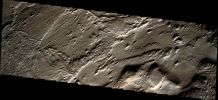
Aeolian_Features-Inverted_Channels-EP-MO-20090323a.jpgInverted Channels in Aeolis Planum (Absolute Natural Colors; credits for the additional process. and color.: Dr Paolo C. Fienga - Lunexit Team)66 visiteCaption NASA:"This VIS image shows a portion of the Eastern side of Aeolis Planum.
The Region has been extensively eroded by the wind. Relics of an earlier surface are located in the central part of the image, in the form of Inverted Channels.
This meaning that the material which filled in the Channels is more resistant to the wind than the surrounding materials".
Coord.: 3,0° South Lat. and 149,7° East Long.MareKromium
|
|
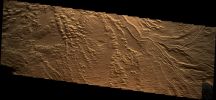
Aeolian_Features-Inverted_Channels-ER-MO.jpgInverted Topography (Natural Colors; credits for the additional process. and color.: Dr Paolo C. Fienga - Lunexit Team)76 visiteCaption NASA:"The system of sinuous ridges seen at the top of the image is the remnants of a channel system. In this case the channel has been filled by a material more resistant to erosion than the surroundings.
As the surround material was eroded away the resistant channel fill was left behind, forming a ridge where the channel had once been. This reversal of topography - from a channel to a ridge - is termed Inversion or Inverted Topography".MareKromium
|
|

Arabia_Terra-PIA13381.jpgUnnamed Drainage Channels in Arabia Terra (Enhanced Natural Colors; credits for the additional process. and color.: Dr Paolo C. Fienga - Lunexit Team)179 visitenessun commentoMareKromium
|
|
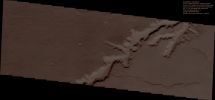
Channel-20090619a-PCF-LXTT.jpgSouthern Drainage Channel (Absolute Natural Colors; credits: Dr Paolo C. Fienga - Lunexit Team)98 visitenessun commentoMareKromium
|
|

Channel-Arabia_Terra-PIA13854.jpgSinuous Channel in Arabia Terra (Absolute Natural Colors; credits: Dr Paolo C. Fienga - Lunexit Team)109 visitenessun commentoMareKromium
|
|

Channel-Bahram_Vallis-PIA13837-PCF-LXTT.jpgChannel in Bahram Vallis (Natural Colors; credits for the additional process. and color.: Dr Paolo C. Fienga - Lunexit Team)264 visitenessun commentoMareKromium
|
|

Channel-CoracisFossae-BosporusPlanum-20091106a.jpgDry Riverbed and a possible Skylight (or an EXTREMELY fresh Impact Crater) between Coracis Fossae and Bosporos Planum (CTX Frame - Natural Colors; credits: Lunexit)66 visitenessun commentoMareKromium
|
|

Channel-CoracisFossae-BosporusPlanum-20091106b.jpgDry Riverbed and a possible Skylight (or an EXTREMELY fresh Impact Crater) between Coracis Fossae and Bosporos Planum (EDM - credits: Lunexit)71 visiteIl rilievo ambiguo è sostanzialmente indefinibile a questa risoluzione, ma la sua colorazione "pitch black" e l'apparente assenza di rim ci fa pensare ad un Pozzo Verticale da Collasso.
Le "sbavature" scure che caratterizzano l'intero versante Nord della Surface Feature e, in parte, il lato Est-Sud/Est (senza interessamento della sua zona Ovest ed Ovest-Sud/Ovest), invece, potrebbero anche far pensare ad un impatto il quale, oltre che essere occorso assai di recente, potrebbe - se non altro parzialmente - essere ricondotto alla Classe dei "Mid-Air Impact" (ossia il bolide generatore del dettaglio si sarebbe, in questo caso, parzialmente disintegrato - esploso - in prossimità del suolo, mentre una sua parte avrebbe comunque raggiunto la superficie, così creando un cratere).
L'ipotesi del Vertical Collapse Pit, comunque, ci sembra preferibile (anche se una ragionevole spiegazione delle "sbavature" scure, in questo scenario, non siamo in grado di poterla fornire).MareKromium
|
|
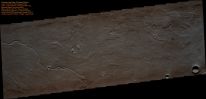
Channel-Elysium_Planitia-PIA13527.jpgChannel at the Edge of Elysium Planitia (Natural Colors; credits for the additional process. and color.: Dr Paolo C. Fienga - Lunexit Team)85 visitenessun commentoMareKromium
|
|
| 212 immagini su 18 pagina(e) |
1 |
 |
|
|
|
|
|
|
|
|
|








