| Ultimi commenti |

0002-Artemis_One.jpgThe Artemis Mission131 visiteFrame auto-esplicativo.MareKromium12/01/22 at 14:12Anakin: Grande Max, per? questa missione serve a coloro ch...
|
|
0002-Artemis_One.jpgThe Artemis Mission131 visiteFrame auto-esplicativo.MareKromium12/01/22 at 10:41Ufologo: Ed il sottoscritto continua la "battaglia&quo...
|
|
0002-Artemis_One.jpgThe Artemis Mission131 visiteFrame auto-esplicativo.MareKromium11/30/22 at 17:32Paolo C. Fienga: Grande Max (Pap? ringrazia ed io pure) e ottimo Wa...
|
|
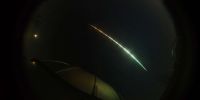
Asteroid-2022_WJ1.jpgAsteroid 2022 WJ1105 visiteDi solito riusciamo a studiare gli Asteroidi quando passano a milioni di Km o quando sono ormai caduti da qualche parte sulla Terra. Non è semplice osservare uno di questi oggetti poco prima dell'impatto e, nella storia, ci siamo riusciti solo 6 volte; questa è l'ultima, fino ad oggi. Si tratta di 2022 WJ1, un Asteroide scoperto in traiettoria di entrata il 19 novembre 2022, quasi 4 ore prima dell'impatto. L'oggetto era troppo piccolo per essere preoccupante o pericoloso, ma quello che importa è che i nostri sistemi di rilevamento stanno diventando sempre più sofisticati e veloci.
In questo caso la scoperta è stata fatta dal Catalina Sky Survey (un insieme di telescopi) in Arizona, il quale ha immediatamente allertato una rete di altri osservatori che hanno calcolato in poco tempo dove sarebbe caduto. La roccia aveva circa il 20% di possibilità di cadere da qualche parte nel continente Nord-Americano e le osservazioni di follow-up hanno permesso agli scienziati di perfezionare le loro misurazioni fino a ottenere precisamente l'ora e il luogo di impatto.
Un bolide infuocato infatti ha illuminato il cielo sopra la regione del Golden Horseshoe nel sud dell'Ontario, in Canada. Misurava circa un metro di diametro quando è entrato nell'atmosfera terrestre, rendendolo l'asteroide più piccolo mai osservato prima dell'ingresso nell'atmosfera fino ad oggi.
"Questa palla di fuoco è particolarmente significativa in quanto il meteoroide genitore è stato osservato telescopicamente prima che colpisse l'Atmosfera. Ciò rende una rara opportunità di collegare i dati telescopici di un asteroide con il suo comportamento di rottura nell'Atmosfera per poi poter raccogliere informazioni sulla sua struttura interna", ha affermato l'astronomo e fisico Peter Brown della University of Western Ontario.
Nota: ora Vi sentite più tranquilli? Io no. Stiamo "tessendo" troppe lodi circa la nostra capacità di intercettare la rotta di Asteroidi "alla svelta" e calcolarne la traiettoria, le dimensioni ed il possibile luogo di impatto. Secondo me questi Fenomeni solo cercando "fondi" (soldi, USD, insomma) e nulla di più... Scusate il cinismo.MareKromium11/30/22 at 17:30Paolo C. Fienga: ...pessima Amico Mio...Pessima.
|
|

0009-Artemis_One-Far_Side_of_the_Moon.jpgThe bright and yet dark side of the Moon...100 visiteNASA officials say Artemis 1 mission teams are "giddy" after witnessing how well their Orion spacecraft has been performing so far on its way towards Lunar Orbit.
Artemis 1 launched at 01:47 EST (06:47 GMT) on Nov. 16, blasting off from Kennedy Space Center in Florida in a spectacular display of the sheer power of NASA's Space Launch System (SLS) rocket. The Orion spacecraft reached Earth orbit shortly after, and then at 87 minutes after launch performed a so-called Trans Lunar Injection burn to send it hurtling towards the moon. On Monday (Nov. 21), Orion performed another burn to send the Spacecraft close enough to the Lunar Surface to leverage (---> use, take advantage of) the Moon's Gravity to pull the Spacecraft around the Moon itself into a distant retrograde orbit.
After collecting data from that propulsive maneuver, NASA Officials held a briefing Monday evening (Nov. 21) to discuss Orion's powered flyby of the Moon. Judd Frieling, flight director at NASA's Johnson Space Center, said Orion Mission Team Members are "giddy" (to have a sensation of whirling and then a tendency to fall; synonym: dizzy) with the current performance they are seeing from the spacecraft after the flyby, which saw the Spacecraft come within about 80 miles of the Lunar Surface.MareKromium11/30/22 at 17:29Paolo C. Fienga: Grazie Walt ma, secondo Te, ? "strategia"...
|
|

SOL0621-ZL7_0621_0722074727_054EBY_N0301172ZCAM01521_1100LMJ01_1200.jpgPhobos eclipses the Sun! - Sol 621132 visiteCaption NASA Originale:"This photo was selected by public vote and featured as "Image of the Week" for Week 92 (Nov. 13 - 19, 2022) of the Perseverance Rover Mission on Mars. NASA's Mars Perseverance Rover acquired this image using its Left Mastcam-Z camera. Mastcam-Z is a pair of cameras located high on the Rover's Mast. This image was acquired on Nov. 18, 2022 (Sol 621) at the Local Mean Solar Time of 13:56:29".MareKromium11/30/22 at 17:26Paolo C. Fienga: Veramente bellissima. Grazie a Walt ed Anakin. Non...
|
|
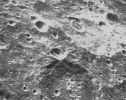
0010-Artemis_One-Surface.jpgIs this a "beautiful" picture?!?95 visiteCaption Originale:"These detailed (where?!?) black and white image was snapped by the Orion Spacecraft's onboard Optical Navigation Camera on day 6 of the Mission, the same day it performed a crucial engine burn".
Nota: foto orribile, sovraesposta e di qualità scadente. Le fotocamere Apollo erano 1000 anni più avanti.MareKromium11/30/22 at 17:25Paolo C. Fienga: ...Ragazzi, oltre ad avermi fatto sorridere (che ?...
|
|
0010-Artemis_One-Surface.jpgIs this a "beautiful" picture?!?95 visiteCaption Originale:"These detailed (where?!?) black and white image was snapped by the Orion Spacecraft's onboard Optical Navigation Camera on day 6 of the Mission, the same day it performed a crucial engine burn".
Nota: foto orribile, sovraesposta e di qualità scadente. Le fotocamere Apollo erano 1000 anni più avanti.MareKromium11/30/22 at 15:11Ufologo: Dopo 50 anni se presentano co' 'ste foto!!...
|
|
0010-Artemis_One-Surface.jpgIs this a "beautiful" picture?!?95 visiteCaption Originale:"These detailed (where?!?) black and white image was snapped by the Orion Spacecraft's onboard Optical Navigation Camera on day 6 of the Mission, the same day it performed a crucial engine burn".
Nota: foto orribile, sovraesposta e di qualità scadente. Le fotocamere Apollo erano 1000 anni più avanti.MareKromium11/30/22 at 12:59Anakin: ahahahahaha Max, me fai ammazzà! :-)
|
|
SOL0621-ZL7_0621_0722074727_054EBY_N0301172ZCAM01521_1100LMJ01_1200.jpgPhobos eclipses the Sun! - Sol 621132 visiteCaption NASA Originale:"This photo was selected by public vote and featured as "Image of the Week" for Week 92 (Nov. 13 - 19, 2022) of the Perseverance Rover Mission on Mars. NASA's Mars Perseverance Rover acquired this image using its Left Mastcam-Z camera. Mastcam-Z is a pair of cameras located high on the Rover's Mast. This image was acquired on Nov. 18, 2022 (Sol 621) at the Local Mean Solar Time of 13:56:29".MareKromium11/30/22 at 12:57Anakin: Fantastica
|
|
SOL0621-ZL7_0621_0722074727_054EBY_N0301172ZCAM01521_1100LMJ01_1200.jpgPhobos eclipses the Sun! - Sol 621132 visiteCaption NASA Originale:"This photo was selected by public vote and featured as "Image of the Week" for Week 92 (Nov. 13 - 19, 2022) of the Perseverance Rover Mission on Mars. NASA's Mars Perseverance Rover acquired this image using its Left Mastcam-Z camera. Mastcam-Z is a pair of cameras located high on the Rover's Mast. This image was acquired on Nov. 18, 2022 (Sol 621) at the Local Mean Solar Time of 13:56:29".MareKromium11/30/22 at 12:37walthari: che spettacolo
|
|
SOL0621-ZL7_0621_0722074727_054EBY_N0301172ZCAM01521_1100LMJ01_1200.jpgPhobos eclipses the Sun! - Sol 621132 visiteCaption NASA Originale:"This photo was selected by public vote and featured as "Image of the Week" for Week 92 (Nov. 13 - 19, 2022) of the Perseverance Rover Mission on Mars. NASA's Mars Perseverance Rover acquired this image using its Left Mastcam-Z camera. Mastcam-Z is a pair of cameras located high on the Rover's Mast. This image was acquired on Nov. 18, 2022 (Sol 621) at the Local Mean Solar Time of 13:56:29".MareKromium11/30/22 at 09:23MareKromium: Bella immagine: la sagoma (outline) di Phobos ? pe...
|
|
| 25244 immagini su 2104 pagina(e) |
 |
|
|
|
|
75 | |
|
|
|
|





