| Ultimi commenti |

Apollo_Class.jpgApollo Class119 visite"La Verità non è mai visibile. E' solo un'idea. Ed un'idea la si può vedere?!?"
(Autore sconosciuto)MareKromium07/11/23 at 17:39Ufologo: "Commento 1 a 4 di 4" : non capisco cosa...
|
|

SOL0621-ZL7_0621_0722074727_054EBY_N0301172ZCAM01521_1100LMJ01_1200.jpgPhobos eclipses the Sun! - Sol 621128 visiteCaption NASA Originale:"This photo was selected by public vote and featured as "Image of the Week" for Week 92 (Nov. 13 - 19, 2022) of the Perseverance Rover Mission on Mars. NASA's Mars Perseverance Rover acquired this image using its Left Mastcam-Z camera. Mastcam-Z is a pair of cameras located high on the Rover's Mast. This image was acquired on Nov. 18, 2022 (Sol 621) at the Local Mean Solar Time of 13:56:29".MareKromium07/11/23 at 17:37MareKromium: Amici, ci sono una ventina di miei commenti non le...
|
|
Apollo_Class.jpgApollo Class119 visite"La Verità non è mai visibile. E' solo un'idea. Ed un'idea la si può vedere?!?"
(Autore sconosciuto)MareKromium07/11/23 at 17:28MareKromium: Massimo 40/45 caratteri. Leggete gli altri comment...
|
|
Apollo_Class.jpgApollo Class119 visite"La Verità non è mai visibile. E' solo un'idea. Ed un'idea la si può vedere?!?"
(Autore sconosciuto)MareKromium07/04/23 at 15:20Ufologo: Io non riesco proprio ... Ecco, forse ora ...
|
|
Apollo_Class.jpgApollo Class119 visite"La Verità non è mai visibile. E' solo un'idea. Ed un'idea la si può vedere?!?"
(Autore sconosciuto)MareKromium07/04/23 at 14:54Anakin: sto provando ad inserire un commento lungo, ma non...
|
|
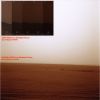
OPP-SOL1235-1P237817092EFF85W0P2689L6M1-00.jpgDark Skies? Clear Skies? Where's the truth?!?104 visiteNel riquadro superiore (scurissimo, quasi nero), l'evoluzione della luminosità del Cielo di Marte nei Soles andanti dal 1205 al 1235. Nel Sol 1235, praticamente, alle 10:53 a.m. sembra notte. Però...
Però in un frame originale NASA relativo al medesimo Dark-Sol - il Sol 1235 - e da noi rielaborato in colori naturali, la situazione appare DECISAMENTE e RADICALMENTE DIVERSA!!!
Come mai?
Forse il MER Opportunity ha fatto uso di filtri "fendipolvere" (anti A.O.) per il frame che abbiamo ingrandito a colorizzato noi, oppure è stato "eccessivo" il darkening adottato per colorizzare il frame-composite NASA (evidentemente elaborato - male - "a tavolino" da qualche Addetto un pò troppo pessimista sullo stato attuale della visibilità su Marte, Regione di Meridiani Planum?).
Voi che dite?
Caption NASA:"NASA's Opportunity rover is literally seeing some of its darkest days. Both Mars Exploration Rovers have been riding out a regional dust storm for several weeks. Conditions became particularly dreary in the Meridiani Planum region where Opportunity sits, perched on the edge of "Victoria Crater."
This image is a time-lapse composite where each horizon-survey image has been compressed horizontally (but not vertically) to emphasize the sky. The relative brightness and darkness of the sky from sol to sol (over a 30-sol period beginning June 14, 2007) is depicted accurately in these images, which view roughly the same part of the plains southwest of the rover. The images are approximately true color composites, generated from calibrated radiance data files using the panoramic camera's 601-nanometer, 535-nanometer and 482-nanometer filters.
The rovers' atmospheric science team is concerned that smaller, regional dust storms could expand into a larger, globe-encircling storm. That could extend the time the sun stays obscured, challenging the capability of Opportunity's solar panels to produce enough electricity for the rover to function.
Fortunately, as of July 19, 2007, the Opportunity site is clearing slightly. When the storm ends, atmospheric scientists hope to review data from the rovers that will help them determine what sort of dust was being lifted and distributed.
The numbers across the top of the image report a measurement of atmospheric opacity, called by the Greek letter tau. The lower the number, the clearer the sky. Both Opportunity and Spirit have been recording higher tau measurements in July 2007 than they had seen any time previously in their three and a half years on Mars. The five sol numbers across the bottom correspond (left to right) to June 14, June 30, July 5, July 13 and July 15, 2007".MareKromium07/03/23 at 17:37Paolo C. Fienga: Bella!
|
|
Apollo_Class.jpgApollo Class119 visite"La Verità non è mai visibile. E' solo un'idea. Ed un'idea la si può vedere?!?"
(Autore sconosciuto)MareKromium07/03/23 at 17:20Paolo C. Fienga: prova. non official comment.
|
|

M-045-2.JPGM 45 - "The 7 Sisters" - Open Star Cluster in Pleiades (2)132 visite"...Cosa c'è? Ti vedo irrequieto...Hai visto qualcosa?"
"...Non saprei, ma mi è sembrato che qualcuno ci stesse spiando. Ho visto qualcosa muoversi, dietro le Pleiadi..."
P. C. Floegers - "Conversations"07/03/23 at 14:49Anakin: Non riesco ad inserire commenti lunghi.
|
|

ZZ-ZZ-ZZ-ZZ-ZZ-ZZ-ZZ-ZZ-ZZ-ZZ-ZZ-ZZ-APOLLO 17 AS 17-136-20784 I-HR-extreme detail mgnf.jpgAS 17-136-20784 (extreme detail mgnf) - Another strange "boulder"...160 visitenessun commento07/01/23 at 11:35Ufologo: Così va il mondo ........
|
|
ZZ-ZZ-ZZ-ZZ-ZZ-ZZ-ZZ-ZZ-ZZ-ZZ-ZZ-ZZ-APOLLO 17 AS 17-136-20784 I-HR-extreme detail mgnf.jpgAS 17-136-20784 (extreme detail mgnf) - Another strange "boulder"...160 visitenessun commento06/30/23 at 12:54Paolo C. Fienga: Ho guardato almeno un centinaio di "documenta...
|
|

SOL3724-27338_PIA25740-web.jpgIcy Feather - Sol 3724134 visiteNASA’s Curiosity Mars rover captured this feather-shaped iridescent cloud just after sunset on Jan. 27, 2023, the 3,724th Martian day, or sol, of the mission. Studying the colors in iridescent clouds tells scientists something about particle size within the clouds and how they grow over time.
These clouds were captured as part of a follow-on imaging campaign to study noctilucent, or "night-shining" clouds, which started in 2021. While most Martian clouds hover no more than 37 miles (60 kilometers) above the ground and are composed of water ice, these clouds appear to be higher in elevation, where it’s very cold. That suggests these clouds are made of carbon dioxide, or dry ice.
This scene is made up of 28 individual images captured by the rover’s Mast Camera, or Mastcam. The images have been processed to emphasize the highlights.MareKromium06/30/23 at 12:51Paolo C. Fienga: Osservo a mi chiedo come si possa "non amare&...
|
|

SOL0738-1581_PIA25821-web.gif140 visiteNASA’s Perseverance Mars rover used one of its navigation cameras to take a series of images of drifting clouds just before sunrise on March 18, 2023, the 738th Martian day, or sol, of the mission.
Scientists on both the Perseverance mission and NASA's Curiosity rover mission are studying the formation process of Martian clouds.
A key objective for Perseverance's mission on Mars is astrobiology, including the search for signs of ancient microbial life. The rover will characterize the planet's geology and past climate, pave the way for human exploration of the Red Planet, and be the first mission to collect and cache Martian rock and regolith (broken rock and dust).
Subsequent NASA missions, in cooperation with ESA (European Space Agency), would send spacecraft to Mars to collect these sealed samples from the surface and return them to Earth for in-depth analysis.
The Mars 2020 Perseverance mission is part of NASA's Moon to Mars exploration approach, which includes Artemis missions to the Moon that will help prepare for human exploration of the Red Planet.MareKromium06/30/23 at 12:50Paolo C. Fienga: Nuvole "Nottilucenti". Cosa non darei pe...
|
|
| 25244 immagini su 2104 pagina(e) |
 |
|
|
|
|
23 | |
|
|
|
|





