| Ultimi commenti |
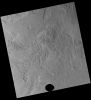
PHOBOS-451A06.pngPhobos over Iani Chaos (frame Viking: 34553639)117 visiteImage Id: 451A06
Center Latitude: -1.945031°
Center Longitude: 341.82642°
Solar Longitude: 331.55576°
Local Solar Time: 18.7825
Sample Resolution: 0.349275 km
Solar Incidence Angle: 65.52523°
Emission Angle: 17.508633°
Orbit: 451
Image Time: 1977-09-11 T16:09:49Z
Spacecraft: VIKING_ORBITER_1
Image Number: 34553639
Filter Name: CLEAR
Exposure Duration: 0.01697s
Line Resolution: 0.366696 km
Aspect Ratio: 1.049878
Phase Angle: 83.01045°
Slant Distance: 13711.231 km
Sun Azimuth: 90.210976°
Gain Mode ID: HIGH
Flood Mode ID: ON
Offset Mode ID: ON
Target Name: MARS
Mission Phase: EXTENDED_MISSION
Note: PHOBOS TRANSIT SEQUENCE
North Azimuth Angle: 191.46452°
Instrument: VISUAL_IMAGING_SUBSYSTEM_CAMERA_BMareKromium03/09/22 at 12:25Paolo C. Fienga: Si, al periapside l'attivit? sismica Marziana ...
|
|

SOL3046-1.jpgCloudy Sky over Curiosity - Sol 3046 (possible Natural Colors)182 visitenessun commentoMareKromium03/09/22 at 12:19Paolo C. Fienga: Carissimo Walt, il "bello" ? che questa ...
|
|
SOL3046-1.jpgCloudy Sky over Curiosity - Sol 3046 (possible Natural Colors)182 visitenessun commentoMareKromium03/08/22 at 17:56walthari: non riesco a comprenderlo neppure io, ma queste ri...
|
|
PHOBOS-451A06.pngPhobos over Iani Chaos (frame Viking: 34553639)117 visiteImage Id: 451A06
Center Latitude: -1.945031°
Center Longitude: 341.82642°
Solar Longitude: 331.55576°
Local Solar Time: 18.7825
Sample Resolution: 0.349275 km
Solar Incidence Angle: 65.52523°
Emission Angle: 17.508633°
Orbit: 451
Image Time: 1977-09-11 T16:09:49Z
Spacecraft: VIKING_ORBITER_1
Image Number: 34553639
Filter Name: CLEAR
Exposure Duration: 0.01697s
Line Resolution: 0.366696 km
Aspect Ratio: 1.049878
Phase Angle: 83.01045°
Slant Distance: 13711.231 km
Sun Azimuth: 90.210976°
Gain Mode ID: HIGH
Flood Mode ID: ON
Offset Mode ID: ON
Target Name: MARS
Mission Phase: EXTENDED_MISSION
Note: PHOBOS TRANSIT SEQUENCE
North Azimuth Angle: 191.46452°
Instrument: VISUAL_IMAGING_SUBSYSTEM_CAMERA_BMareKromium03/08/22 at 17:52walthari: oggetto piccolo ma una minima influenza mareale la...
|
|
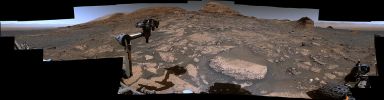
SOL3167.jpgFunny Sky... - Sol 3167141 visiteLa NASA ci dice che si tratta di "false colors" (od anche "white balanced"). Va bene. Ci credo. O forse no...
Caption NASA originale: "Images of knobbly rocks and rounded hills are delighting scientists as NASA’s Curiosity Rover climbs Mount Sharp, a 5-mile-tall (such as approx. 8-Km tall) mountain within the 96-mile-wide (such as about 154-Km wide) basin of Mars’ Gale Crater. The rover’s Mast Camera, a.k.a. MastCam, highlights those features in a panorama captured on July, 3rd, 2021 (i.e. the 3167th Martian Day, or Sol, of the Mission)".
This location is particularly exciting: Spacecraft orbiting Mars show that Curiosity is now somewhere between a Region enriched with clay minerals and one dominated by salty minerals called Sulfates. The mountain’s layers in this area may reveal how the ancient environment within Gale Crater dried up over time. Similar changes are seen across the planet, and studying this Region up close (---> da vicino) has been a major long-term goal for the mission.
"The rocks here will begin to tell us how this once-wet planet changed into the dry Mars of today, and how long habitable environments persisted even after that happened,” said Abigail Fraeman, Curiosity’s deputy project scientist, at NASA’s Jet Propulsion Laboratory in Southern California".
The "Dry Mars of today"... Mmmmmhhhhh.... Are we really sure about that?!? I am not. And You?!?MareKromium03/08/22 at 17:48walthari: anche secondo me Paolo
|
|

w-Eclipse-PIA23135.gifAnnular Eclipse from Mars (GIF-Movie)106 visiteLe "eclissi", su Marte, sono SEMPRE "presso-anulari". Il che significa "MAI" oscurità assoluta. Solo "penumbra". Ecco un esempio.MareKromium03/06/22 at 16:59Paolo C. Fienga: Guardate com'? veloce il passaggio della penum...
|
|
PHOBOS-451A06.pngPhobos over Iani Chaos (frame Viking: 34553639)117 visiteImage Id: 451A06
Center Latitude: -1.945031°
Center Longitude: 341.82642°
Solar Longitude: 331.55576°
Local Solar Time: 18.7825
Sample Resolution: 0.349275 km
Solar Incidence Angle: 65.52523°
Emission Angle: 17.508633°
Orbit: 451
Image Time: 1977-09-11 T16:09:49Z
Spacecraft: VIKING_ORBITER_1
Image Number: 34553639
Filter Name: CLEAR
Exposure Duration: 0.01697s
Line Resolution: 0.366696 km
Aspect Ratio: 1.049878
Phase Angle: 83.01045°
Slant Distance: 13711.231 km
Sun Azimuth: 90.210976°
Gain Mode ID: HIGH
Flood Mode ID: ON
Offset Mode ID: ON
Target Name: MARS
Mission Phase: EXTENDED_MISSION
Note: PHOBOS TRANSIT SEQUENCE
North Azimuth Angle: 191.46452°
Instrument: VISUAL_IMAGING_SUBSYSTEM_CAMERA_BMareKromium03/06/22 at 16:55Paolo C. Fienga: Bella ?? Siamo a circa 13 Km di altitudine e Phobo...
|
|
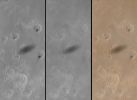
Martian_Eclipse-moc2_msss_3shadow100-01.jpgMOC Views of Martian Solar Eclipses (Original NASA/MGS/MSSS - Natural Color Frame)131 visiteThis picture shows wide angle red (left), blue (middle) and color composite (right) views of the shadow of Phobos (elliptical feature at center of each frame) as it was cast upon western Xanthe Terra on August 26, 1999, at about 2 p.m. local time on Mars. The image covers an area about 250 Km (155 miles) across and is illuminated from the left. The meandering Nanedi Valles is visible in the lower right corner of the scene. Note the dark spots on three crater floors - these appear dark in the red camera image (left) but are barely distingished in the blue image (middle), while the shadow is dark in both images. The spots on the crater floors are probably small fields of dark sand dunes.03/06/22 at 16:52Paolo C. Fienga: E' da molti giorni che studio le "ombre&q...
|
|

SOL3397-3397MH0001630001201030R00_DXXX.jpgMartian Coral - Sol 3397133 visite"...Il corallo è costituito da comunità di piccoli polipi che costruiscono, alla base del proprio corpo molle, uno scheletro di carbonato di calcio con funzione protettiva e di sostegno. I polipi crescono uno accanto all’altro, cosicché le secrezioni di calcare si fondono tra loro e si stratificano, arrivando a formare le barriere coralline, come quella australiana, la più estesa del mondo, che copre un’area di oltre 80 mila miglia quadrate. Con la morte dell’organismo, lo scheletro viene colonizzato da altri polipi.
In balia delle onde. Nei mari tropicali i polipi si moltiplicano dividendosi molte volte, aumentando così le dimensioni della colonia. In situazioni avverse (per esempio di sovrappopolamento) i polipi rilasciano in mare milioni di spermatozoi e uova in sincronia, durante l’alta marea. Accade a un solo uovo su dieci milioni d’essere fecondato: si origina una larva che, trasportata dalle correnti, va a fissarsi su una roccia dove si trasforma in polipo, e comincia a dividersi, dando origine a una nuova colonia...".
Sia dal "vivo", sia nel mio acquario marino, ho avuto la fortuna di vedere ed avere coralli "vivi" per oltre 12 anni. Quando l'acquario ha cominciato a perdere (la garanzia era di 10 anni...), ho donato i pesci e le piante acquatiche, ma ho tenuto due coralli, che ho fatto essiccare al Sole della mia terrazza (abitavo a Legnano).
Li ho ancora ed uno dei due è IDENTICO a quanto vediamo in questa immagine, comprese le evidenti porosità e le "linee! latitudinali che ne caratterizzano lo sviluppo.
Cosa dice la NASA di questo "oggetto"? Sarò sincero, come sempre: questa volta, di quello che dicono gli Scienziati di Pasadena, dell'ASU, dell'UoA ecc. non me ne importa assolutamente nulla. Siamo - praticamente - sul fondo di un lago asciutto che è durato, probabilmente, ere (forse un paio di miliardi di anni terrestri). Un lago "salato". Perché negare a tutti i costi l'eventualità (non abbiamo certezze, lo so) che la Vita su Marte fosse qualcosa di più, MOLTO più di "batteri"?!?
Perché la "certezza" si deve esprimere (ed essere lodata e consacrata) solo negando un'eventualità la quale, visto anche il materiale che abbiamo raccolto in vent'anni di lavoro, è tutt'altro che remota?
E' sempre la solita storia dell'"Uomo" come "centro" (dell'Universo)?
Ma per favore, guardiamoci attorno e cominciamo a "vedere" che cosa "l'Uomo" è realmente, e cosa la sua "Scienza" è davvero, prima di osannare la Divina Razza Umana e la Dea Scienza. Basta accendere la televisione un quarto d'ora per capire cosa l'essere umano (iniziali rigorosamente minuscole) è.
Certo, abbiamo avuto ed abbiamo delle eccezioni, ma se guardo (e vedo) la "pittura globale", mi viene la pelle d'oca. Scusatemi la divagazione.MareKromium03/06/22 at 16:46Paolo C. Fienga: Non abbiamo certezze Walt, se non che, poco al di ...
|
|
SOL3046-1.jpgCloudy Sky over Curiosity - Sol 3046 (possible Natural Colors)182 visitenessun commentoMareKromium03/06/22 at 16:41Paolo C. Fienga: Riguarda questa Walt, poi dimmi Tu...Nubi dense, r...
|
|
SOL3167.jpgFunny Sky... - Sol 3167141 visiteLa NASA ci dice che si tratta di "false colors" (od anche "white balanced"). Va bene. Ci credo. O forse no...
Caption NASA originale: "Images of knobbly rocks and rounded hills are delighting scientists as NASA’s Curiosity Rover climbs Mount Sharp, a 5-mile-tall (such as approx. 8-Km tall) mountain within the 96-mile-wide (such as about 154-Km wide) basin of Mars’ Gale Crater. The rover’s Mast Camera, a.k.a. MastCam, highlights those features in a panorama captured on July, 3rd, 2021 (i.e. the 3167th Martian Day, or Sol, of the Mission)".
This location is particularly exciting: Spacecraft orbiting Mars show that Curiosity is now somewhere between a Region enriched with clay minerals and one dominated by salty minerals called Sulfates. The mountain’s layers in this area may reveal how the ancient environment within Gale Crater dried up over time. Similar changes are seen across the planet, and studying this Region up close (---> da vicino) has been a major long-term goal for the mission.
"The rocks here will begin to tell us how this once-wet planet changed into the dry Mars of today, and how long habitable environments persisted even after that happened,” said Abigail Fraeman, Curiosity’s deputy project scientist, at NASA’s Jet Propulsion Laboratory in Southern California".
The "Dry Mars of today"... Mmmmmhhhhh.... Are we really sure about that?!? I am not. And You?!?MareKromium03/06/22 at 16:36Paolo C. Fienga: Fatta dalla NASA e "white-balanced" ossi...
|
|

SOL1441.pngInteresting... - Sol 1441110 visitenessun commentoMareKromium03/06/22 at 16:33Paolo C. Fienga: Pu? essere Walt. Non le ho mai viste "dal viv...
|
|
| 25244 immagini su 2104 pagina(e) |
 |
|
|
|
|
178 | |
|
|
|
|





