| Ultimi commenti |

162173-Ryugu-019.pngWelcome back!160 visiteSecondo la mitologia giapponese 162173-Ryugu (Ryugu e basta: il resto è solo un seriale) era un palazzo leggendario dove risiedeva il Dio Drago del Mare (Poseidone, se volete) che custodiva un tesoro. Lo stesso nome è stato dato a un asteroide raggiunto dalla missione Hayabusa 2 nel 2018 per raccogliere dei campioni di terreno e portarli sulla Terra.
"Le particelle di 162173-Ryugu", ha scritto un team guidato dal cosmo-chimico Motoo Ito della Japan Agency for Marine-Earth Science Technology (JAMSTEC) in Giappone "sono i materiali extraterrestri più incontaminati e non frazionati studiati finora e forniscono la migliore corrispondenza disponibile per la composizione di massa del Sistema Solare".
Ito ei suoi colleghi hanno scoperto che le abbondanze di Idrogeno e Azoto pesanti nell'asteroide sono coerenti con un'origine nel Sistema Solare esterno. In altre parole, 162173-Ryugu iniziò la sua vita MOLTO più lontano dal Sole. Tale circostanza sarebbe pure coerente con la Teoria della Cometa (mancata), dal momento che quei corpi ghiacciati sono "Visitatori" provenienti dalle zone più lontane del Sistema Solare (od OLTRE, aggiungo io).MareKromium08/19/22 at 13:29Ufologo: So soltanto che siamo i ..."burini" dell...
|
|

Man-Made_Nebula.gifMan-Made Nebula, such as: a warning sign of the Kessler Syndrome (GIF Movie)82 visiteCaption NASA:"What's that cloud drifting in space? It's not an astronomical nebula because...those appear to stay put.
Atmospheric clouds don't look like this.
The answer to last week's sky mystery turned out to be orbiting and expanding debris from the upper stage of a failed Russian rocket that exploded unexpectedly. The cloud became visible to unaided southern hemisphere observers, and its cause was initially unknown. The above time lapse movie shows the cloud drifting as seen from Australia. Streaks in and near the cloud are likely large pieces of debris. The debris cloud is more than an astronomical curiosity -- particles from this cloud and others could become projectiles damaging existing satellites. As the cloud disperses, many particles will fall to Earth, but many more may help make low Earth orbit an increasingly hostile environment".MareKromium08/19/22 at 13:26Ufologo: Circa 6 mila ingombri!
|
|
162173-Ryugu-019.pngWelcome back!160 visiteSecondo la mitologia giapponese 162173-Ryugu (Ryugu e basta: il resto è solo un seriale) era un palazzo leggendario dove risiedeva il Dio Drago del Mare (Poseidone, se volete) che custodiva un tesoro. Lo stesso nome è stato dato a un asteroide raggiunto dalla missione Hayabusa 2 nel 2018 per raccogliere dei campioni di terreno e portarli sulla Terra.
"Le particelle di 162173-Ryugu", ha scritto un team guidato dal cosmo-chimico Motoo Ito della Japan Agency for Marine-Earth Science Technology (JAMSTEC) in Giappone "sono i materiali extraterrestri più incontaminati e non frazionati studiati finora e forniscono la migliore corrispondenza disponibile per la composizione di massa del Sistema Solare".
Ito ei suoi colleghi hanno scoperto che le abbondanze di Idrogeno e Azoto pesanti nell'asteroide sono coerenti con un'origine nel Sistema Solare esterno. In altre parole, 162173-Ryugu iniziò la sua vita MOLTO più lontano dal Sole. Tale circostanza sarebbe pure coerente con la Teoria della Cometa (mancata), dal momento che quei corpi ghiacciati sono "Visitatori" provenienti dalle zone più lontane del Sistema Solare (od OLTRE, aggiungo io).MareKromium08/19/22 at 12:49Anakin: Questo mi fa venire in mente un episodio della mia...
|
|

Black_Holes.jpgBlack Holes196 visiteLa foto di Sagittarius A rilasciata da Event Horizon Telescope (EHT) ha già fatto il giro del mondo. L’immagine in sé, in realtà, non è bellissima; ma la sua importanza simbolica e scientifica è enorme. Perché quello che ci mostra è il buco nero gigante più vicino a noi, quello al centro della Via Lattea, la nostra galassia. Situato a 25 mila anni luce dalla Terra nella costellazione del Sagittario, da cui prende nome, Sagittarius A è al centro delle attenzioni degli astrofisici fin dall’inizio della (moderna) radioastronomia.
La foto che lo ritrae è stata scattata con la stessa tecnica della prima foto di un buco nero, M87. È, cioè, un’immagine ottenuta con le onde radio, che poi è stata colorata per renderla visibile ai nostri occhi. Ed è stata ottenuta combinando le misurazioni sincronizzate di otto radiotelescopi sparsi in tutto il mondo, in modo che la superficie di osservazione effettiva risultasse molto più ampia di quella del singolo osservatorio.
Per saperne di più, abbiamo intervistato Ciriaco Goddi, docente all’Università di Cagliari, astrofisico dell’Istituto Nazionale di Astrofisica (INAF) e membro di EHT. Che cosa rappresenta questa immagine, e che cosa ci ha permesso di scoprire? "...Questa è la prima immagine di Sagittarius A, il buco nero gigante situato al centro della Via Lattea, ed è importante innanzitutto per questo. Avevamo già indizi fortissimi che al centro della Galassia ci fosse un buco nero di quattro milioni di masse solari, grazie allo studio delle orbite stellari che è valso il premio Nobel ad Andrea Ghez e Reinhard Genzel nel 2020. Però ora, con questa foto, abbiamo la prova visiva diretta, quindi la prova schiacciante, che si tratta di un buco nero. Non solo. Questa foto ci ha permesso anche di testare per la prima volta la Relatività Generale direttamente al bordo del buco nero, quindi in un regime di gravità estrema, perché stiamo guardando la regione dell’orizzonte degli eventi. E abbiamo trovato un accordo molto buono con la teoria di Einstein (vedi Nota 1) ..."
Nota 1: come è stato trovato/visto questo "accordo molto buono"? In base a quali elementi ed incrociando quali dati? Una risposta così lapidaria non significa alcunché.MareKromium08/19/22 at 12:43Anakin: Hanno trovato un "accordo molto buono" i...
|
|
Man-Made_Nebula.gifMan-Made Nebula, such as: a warning sign of the Kessler Syndrome (GIF Movie)82 visiteCaption NASA:"What's that cloud drifting in space? It's not an astronomical nebula because...those appear to stay put.
Atmospheric clouds don't look like this.
The answer to last week's sky mystery turned out to be orbiting and expanding debris from the upper stage of a failed Russian rocket that exploded unexpectedly. The cloud became visible to unaided southern hemisphere observers, and its cause was initially unknown. The above time lapse movie shows the cloud drifting as seen from Australia. Streaks in and near the cloud are likely large pieces of debris. The debris cloud is more than an astronomical curiosity -- particles from this cloud and others could become projectiles damaging existing satellites. As the cloud disperses, many particles will fall to Earth, but many more may help make low Earth orbit an increasingly hostile environment".MareKromium08/19/22 at 12:34Anakin: E' qualcosda che non riesco a commentare, nel ...
|
|
Man-Made_Nebula.gifMan-Made Nebula, such as: a warning sign of the Kessler Syndrome (GIF Movie)82 visiteCaption NASA:"What's that cloud drifting in space? It's not an astronomical nebula because...those appear to stay put.
Atmospheric clouds don't look like this.
The answer to last week's sky mystery turned out to be orbiting and expanding debris from the upper stage of a failed Russian rocket that exploded unexpectedly. The cloud became visible to unaided southern hemisphere observers, and its cause was initially unknown. The above time lapse movie shows the cloud drifting as seen from Australia. Streaks in and near the cloud are likely large pieces of debris. The debris cloud is more than an astronomical curiosity -- particles from this cloud and others could become projectiles damaging existing satellites. As the cloud disperses, many particles will fall to Earth, but many more may help make low Earth orbit an increasingly hostile environment".MareKromium08/18/22 at 17:49Ufologo: ... che il cielo ormai ? pieno ... de monnezza! Pe...
|
|
Man-Made_Nebula.gifMan-Made Nebula, such as: a warning sign of the Kessler Syndrome (GIF Movie)82 visiteCaption NASA:"What's that cloud drifting in space? It's not an astronomical nebula because...those appear to stay put.
Atmospheric clouds don't look like this.
The answer to last week's sky mystery turned out to be orbiting and expanding debris from the upper stage of a failed Russian rocket that exploded unexpectedly. The cloud became visible to unaided southern hemisphere observers, and its cause was initially unknown. The above time lapse movie shows the cloud drifting as seen from Australia. Streaks in and near the cloud are likely large pieces of debris. The debris cloud is more than an astronomical curiosity -- particles from this cloud and others could become projectiles damaging existing satellites. As the cloud disperses, many particles will fall to Earth, but many more may help make low Earth orbit an increasingly hostile environment".MareKromium08/18/22 at 17:23Paolo C. Fienga: In questi giorni, vista l'ormai "imminent...
|
|

SOL0093-Mars_Perseverance_RRF_0093_0675177613_725EBY_N0040136RHAZ00699_00_0LLJ.pngUp-Sun with green Sky and a typical Image-Artifact - Sol 93172 visiteNASA's Mars Perseverance rover acquired this image of the area in back of it using its onboard Rear Right Hazard Avoidance Camera.
This image was acquired on May 25, 2021 (Sol 93) at the Local Mean Solar Time of 07:24:41.MareKromium08/18/22 at 17:15Paolo C. Fienga: Si, ? vero. Ma sai cosa penso, in realt? (e mi ric...
|
|

SOL0092-Mars_Perseverance_RRF_0092_0675118062_747EBY_N0040136RHAZ00699_00_0LLJ.pngOk, this is not a "Rainbow"... - Sol 92167 visiteNASA's Mars Perseverance rover acquired this image of the area in back of it using its onboard Rear Right Hazard Avoidance Camera.
This image was acquired on May 24, 2021 (Sol 92) at the Local Mean Solar Time of 15:18:43.MareKromium08/18/22 at 17:11Paolo C. Fienga: Sicuramente ? come dici tu, Amico Mio. Aggiungendo...
|
|
SOL0093-Mars_Perseverance_RRF_0093_0675177613_725EBY_N0040136RHAZ00699_00_0LLJ.pngUp-Sun with green Sky and a typical Image-Artifact - Sol 93172 visiteNASA's Mars Perseverance rover acquired this image of the area in back of it using its onboard Rear Right Hazard Avoidance Camera.
This image was acquired on May 25, 2021 (Sol 93) at the Local Mean Solar Time of 07:24:41.MareKromium08/18/22 at 16:24Anakin: Siamo alle solite Paolo. Non sapremo mai che color...
|
|
SOL0092-Mars_Perseverance_RRF_0092_0675118062_747EBY_N0040136RHAZ00699_00_0LLJ.pngOk, this is not a "Rainbow"... - Sol 92167 visiteNASA's Mars Perseverance rover acquired this image of the area in back of it using its onboard Rear Right Hazard Avoidance Camera.
This image was acquired on May 24, 2021 (Sol 92) at the Local Mean Solar Time of 15:18:43.MareKromium08/18/22 at 16:23Anakin: Chiss? se dipende anche dall'atmosfera di Mart...
|
|
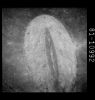
as15-81-10992.jpgAS 15-81-10992 - Messier Crater, from atop106 visiteImage Collection: 70mm Hasselblad
Mission: Apollo 15
Magazine: 81
Magazine Letter: QQ
Latitude: 1,5° South
Longitude: 48° East
Lens Focal Length: 500 mm
Camera Look: n.a.
Camera Tilt: Vert
Camera Altitude: 120 Km
Sun Elevation (on local horizon): 67°
Film Type: 3401
Film Width: 70 mm
Film Color: black & white
Feature(s): Messier08/16/22 at 16:28Paolo C. Fienga: ;-) !!!
|
|
| 25244 immagini su 2104 pagina(e) |
 |
|
|
|
|
131 | |
|
|
|
|





