| Ultimi commenti - Asteroids and Comets |

Asteroids.jpgAsteroids (an Image-Mosaic by Emily Lakdawalla - Planetary Society - & Ted Stryk)105 visiteDalla Rubrica "NASA - Picture of the Day" del giorno 26 Luglio 2010:"As humans explore the Universe, the record for largest Asteroid visited by a Spacecraft has increased yet again. Earlier this month, ESA's robotic Rosetta Spacecraft zipped past the asteroid 21 Lutetia taking data and snapping images in an effort to better determine the history of the Asteroid and the origin of its unusual colors.
Although of unknown composition, Lutetia is not massive enough for gravity to pull it into a sphere.
Pictured above on the upper right, the 100-Km across Lutetia is shown in comparison with the other nine Asteroids and four Comets that have been visited, so far, by human-launched spacecraft. Orbiting in the Main Asteroid Belt, Lutetia shows itself to be a heavily cratered remnant of the early Solar System.
The Rosetta Spacecraft is now continuing onto comet Churyumov-Gerasimenko where a landing is planned for the AD 2014".MareKromium07/28/10 at 19:03andreagg: @ Ufologo: quindi ci cadr? in testa il 24-12-2012....
|
|
Asteroids.jpgAsteroids (an Image-Mosaic by Emily Lakdawalla - Planetary Society - & Ted Stryk)105 visiteDalla Rubrica "NASA - Picture of the Day" del giorno 26 Luglio 2010:"As humans explore the Universe, the record for largest Asteroid visited by a Spacecraft has increased yet again. Earlier this month, ESA's robotic Rosetta Spacecraft zipped past the asteroid 21 Lutetia taking data and snapping images in an effort to better determine the history of the Asteroid and the origin of its unusual colors.
Although of unknown composition, Lutetia is not massive enough for gravity to pull it into a sphere.
Pictured above on the upper right, the 100-Km across Lutetia is shown in comparison with the other nine Asteroids and four Comets that have been visited, so far, by human-launched spacecraft. Orbiting in the Main Asteroid Belt, Lutetia shows itself to be a heavily cratered remnant of the early Solar System.
The Rosetta Spacecraft is now continuing onto comet Churyumov-Gerasimenko where a landing is planned for the AD 2014".MareKromium07/28/10 at 18:18Ufologo: Adesso ne dico una carina: avete notato l'iim...
|
|
Asteroids.jpgAsteroids (an Image-Mosaic by Emily Lakdawalla - Planetary Society - & Ted Stryk)105 visiteDalla Rubrica "NASA - Picture of the Day" del giorno 26 Luglio 2010:"As humans explore the Universe, the record for largest Asteroid visited by a Spacecraft has increased yet again. Earlier this month, ESA's robotic Rosetta Spacecraft zipped past the asteroid 21 Lutetia taking data and snapping images in an effort to better determine the history of the Asteroid and the origin of its unusual colors.
Although of unknown composition, Lutetia is not massive enough for gravity to pull it into a sphere.
Pictured above on the upper right, the 100-Km across Lutetia is shown in comparison with the other nine Asteroids and four Comets that have been visited, so far, by human-launched spacecraft. Orbiting in the Main Asteroid Belt, Lutetia shows itself to be a heavily cratered remnant of the early Solar System.
The Rosetta Spacecraft is now continuing onto comet Churyumov-Gerasimenko where a landing is planned for the AD 2014".MareKromium07/28/10 at 14:47andreagg: Dunque, non ricordo dov'? che ho visto l'i...
|
|
Asteroids.jpgAsteroids (an Image-Mosaic by Emily Lakdawalla - Planetary Society - & Ted Stryk)105 visiteDalla Rubrica "NASA - Picture of the Day" del giorno 26 Luglio 2010:"As humans explore the Universe, the record for largest Asteroid visited by a Spacecraft has increased yet again. Earlier this month, ESA's robotic Rosetta Spacecraft zipped past the asteroid 21 Lutetia taking data and snapping images in an effort to better determine the history of the Asteroid and the origin of its unusual colors.
Although of unknown composition, Lutetia is not massive enough for gravity to pull it into a sphere.
Pictured above on the upper right, the 100-Km across Lutetia is shown in comparison with the other nine Asteroids and four Comets that have been visited, so far, by human-launched spacecraft. Orbiting in the Main Asteroid Belt, Lutetia shows itself to be a heavily cratered remnant of the early Solar System.
The Rosetta Spacecraft is now continuing onto comet Churyumov-Gerasimenko where a landing is planned for the AD 2014".MareKromium07/28/10 at 06:29walthari: direi che cromaticamente parlando l'elaborazio...
|
|
Asteroids.jpgAsteroids (an Image-Mosaic by Emily Lakdawalla - Planetary Society - & Ted Stryk)105 visiteDalla Rubrica "NASA - Picture of the Day" del giorno 26 Luglio 2010:"As humans explore the Universe, the record for largest Asteroid visited by a Spacecraft has increased yet again. Earlier this month, ESA's robotic Rosetta Spacecraft zipped past the asteroid 21 Lutetia taking data and snapping images in an effort to better determine the history of the Asteroid and the origin of its unusual colors.
Although of unknown composition, Lutetia is not massive enough for gravity to pull it into a sphere.
Pictured above on the upper right, the 100-Km across Lutetia is shown in comparison with the other nine Asteroids and four Comets that have been visited, so far, by human-launched spacecraft. Orbiting in the Main Asteroid Belt, Lutetia shows itself to be a heavily cratered remnant of the early Solar System.
The Rosetta Spacecraft is now continuing onto comet Churyumov-Gerasimenko where a landing is planned for the AD 2014".MareKromium07/27/10 at 18:202di7: Di nulla : ) Ma forse andreagg ne ha trovata addir...
|
|
Asteroids.jpgAsteroids (an Image-Mosaic by Emily Lakdawalla - Planetary Society - & Ted Stryk)105 visiteDalla Rubrica "NASA - Picture of the Day" del giorno 26 Luglio 2010:"As humans explore the Universe, the record for largest Asteroid visited by a Spacecraft has increased yet again. Earlier this month, ESA's robotic Rosetta Spacecraft zipped past the asteroid 21 Lutetia taking data and snapping images in an effort to better determine the history of the Asteroid and the origin of its unusual colors.
Although of unknown composition, Lutetia is not massive enough for gravity to pull it into a sphere.
Pictured above on the upper right, the 100-Km across Lutetia is shown in comparison with the other nine Asteroids and four Comets that have been visited, so far, by human-launched spacecraft. Orbiting in the Main Asteroid Belt, Lutetia shows itself to be a heavily cratered remnant of the early Solar System.
The Rosetta Spacecraft is now continuing onto comet Churyumov-Gerasimenko where a landing is planned for the AD 2014".MareKromium07/27/10 at 18:07MareKromium: Bah...io vedo l'immagine violetta/lilla... Sec...
|
|
Asteroids.jpgAsteroids (an Image-Mosaic by Emily Lakdawalla - Planetary Society - & Ted Stryk)105 visiteDalla Rubrica "NASA - Picture of the Day" del giorno 26 Luglio 2010:"As humans explore the Universe, the record for largest Asteroid visited by a Spacecraft has increased yet again. Earlier this month, ESA's robotic Rosetta Spacecraft zipped past the asteroid 21 Lutetia taking data and snapping images in an effort to better determine the history of the Asteroid and the origin of its unusual colors.
Although of unknown composition, Lutetia is not massive enough for gravity to pull it into a sphere.
Pictured above on the upper right, the 100-Km across Lutetia is shown in comparison with the other nine Asteroids and four Comets that have been visited, so far, by human-launched spacecraft. Orbiting in the Main Asteroid Belt, Lutetia shows itself to be a heavily cratered remnant of the early Solar System.
The Rosetta Spacecraft is now continuing onto comet Churyumov-Gerasimenko where a landing is planned for the AD 2014".MareKromium07/27/10 at 17:432di7: MK per esempio qui: http : // www . planetary . or...
|
|
Asteroids.jpgAsteroids (an Image-Mosaic by Emily Lakdawalla - Planetary Society - & Ted Stryk)105 visiteDalla Rubrica "NASA - Picture of the Day" del giorno 26 Luglio 2010:"As humans explore the Universe, the record for largest Asteroid visited by a Spacecraft has increased yet again. Earlier this month, ESA's robotic Rosetta Spacecraft zipped past the asteroid 21 Lutetia taking data and snapping images in an effort to better determine the history of the Asteroid and the origin of its unusual colors.
Although of unknown composition, Lutetia is not massive enough for gravity to pull it into a sphere.
Pictured above on the upper right, the 100-Km across Lutetia is shown in comparison with the other nine Asteroids and four Comets that have been visited, so far, by human-launched spacecraft. Orbiting in the Main Asteroid Belt, Lutetia shows itself to be a heavily cratered remnant of the early Solar System.
The Rosetta Spacecraft is now continuing onto comet Churyumov-Gerasimenko where a landing is planned for the AD 2014".MareKromium07/27/10 at 17:37MareKromium: Scusa Andrea, dove hai trovato la foto a colori di...
|
|
Asteroids.jpgAsteroids (an Image-Mosaic by Emily Lakdawalla - Planetary Society - & Ted Stryk)105 visiteDalla Rubrica "NASA - Picture of the Day" del giorno 26 Luglio 2010:"As humans explore the Universe, the record for largest Asteroid visited by a Spacecraft has increased yet again. Earlier this month, ESA's robotic Rosetta Spacecraft zipped past the asteroid 21 Lutetia taking data and snapping images in an effort to better determine the history of the Asteroid and the origin of its unusual colors.
Although of unknown composition, Lutetia is not massive enough for gravity to pull it into a sphere.
Pictured above on the upper right, the 100-Km across Lutetia is shown in comparison with the other nine Asteroids and four Comets that have been visited, so far, by human-launched spacecraft. Orbiting in the Main Asteroid Belt, Lutetia shows itself to be a heavily cratered remnant of the early Solar System.
The Rosetta Spacecraft is now continuing onto comet Churyumov-Gerasimenko where a landing is planned for the AD 2014".MareKromium07/27/10 at 17:07andreagg: Colore inusuale... e perch? rilasciano solo foto i...
|
|
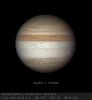
Comets-Wesley-Jupiter_Impact-2.jpgCometary Impact on Jupiter 179 visitenessun commentoMareKromium06/22/10 at 10:11Anakin: Invece ipotizziamo che un astronave aliena entri n...
|
|
Comets-Wesley-Jupiter_Impact-2.jpgCometary Impact on Jupiter 179 visitenessun commentoMareKromium06/21/10 at 18:06andreagg: esempio pratico: tu osservi Giove dal tuo giardino...
|
|
Comets-Wesley-Jupiter_Impact-2.jpgCometary Impact on Jupiter 179 visitenessun commentoMareKromium06/21/10 at 13:31MareKromium: ...dipende da quale direzione guardi... :-)
|
|
| 603 immagini su 51 pagina(e) |
 |
|
|
|
|
42 | |
|
|
|
|





