| Ultimi commenti - The Moon and Mars through Hubble's "Eyes" |
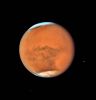
Mars-9~0.jpgMars, Deimos and Phobos168 visitenessun commentoMareKromium03/15/24 at 12:52Anakin: ce n'era un altra dove le calotte erano moto ...
|
|
Mars-9~0.jpgMars, Deimos and Phobos168 visitenessun commentoMareKromium03/11/24 at 17:18Paolo C. Fienga: Dipende dall'angolo di ripresa. La foto e�...
|
|
Mars-9~0.jpgMars, Deimos and Phobos168 visitenessun commentoMareKromium02/21/24 at 11:45Ufologo: E' vero ....
|
|
Mars-9~0.jpgMars, Deimos and Phobos168 visitenessun commentoMareKromium02/20/24 at 14:02Anakin: Mi sembra che la calotte polari si siano ampliate ...
|
|

L-Mars_Plume-HST_Mars_Plume_Jaeschke_animation_295.gifVolcanic Plume or just Water-Ice Clouds?99 visiteGli "Scienziati" hanno detto: "Nuvole, anzi: una mega-nuvola. Senza dubbio".
Evidentemente, per esserne così certi, dovevano essere lì ed aver visto tutto e bene da vicino. MOLTO vicino... D'altra parte, Noi, di Lunar Explorer Italia, abbiamo già evidenziato in passato questo tipo di fenomeno. Non so, ma l'dea di nuvole (o di una "super-nuvola") a base di ghiaccio d'acqua che viaggiano/viaggia compatte/a sino circa 150 Km di altezza, a me pare una "boiata planetaria". Ribadisco (perché già lo scrissi, anni fa): per me è una "Volcanic Plume".
Comunque io NON ero lì, ergo potrei sbagliare. E se anche gli "Scienziati" (ed i buffoncelli da strapazzo che sanno tutto e viaggiano dall'Ingegneria alla Fisica e dalla Luna allo Spazio Profondo pur non avendo uno straccio di Titolo) mostrassero, almeno una volta e magari per finta, un pizzico di umiltà e possibilismo (circa le "loro infallibili ipotesi"), sarebbe bello. Ma è impossibile. La "Scienza" attuale ESIGE certezze, se si vogliono fama e fondi. Va bene. Ne prendo atto.
Almeno io So di NON sapere ed ipotizzo. Se sapessi tutto...che noia!!! MareKromium12/24/22 at 15:22Paolo C. Fienga: Per Anakin: si, con una minima approssimazione. Pe...
|
|
L-Mars_Plume-HST_Mars_Plume_Jaeschke_animation_295.gifVolcanic Plume or just Water-Ice Clouds?99 visiteGli "Scienziati" hanno detto: "Nuvole, anzi: una mega-nuvola. Senza dubbio".
Evidentemente, per esserne così certi, dovevano essere lì ed aver visto tutto e bene da vicino. MOLTO vicino... D'altra parte, Noi, di Lunar Explorer Italia, abbiamo già evidenziato in passato questo tipo di fenomeno. Non so, ma l'dea di nuvole (o di una "super-nuvola") a base di ghiaccio d'acqua che viaggiano/viaggia compatte/a sino circa 150 Km di altezza, a me pare una "boiata planetaria". Ribadisco (perché già lo scrissi, anni fa): per me è una "Volcanic Plume".
Comunque io NON ero lì, ergo potrei sbagliare. E se anche gli "Scienziati" (ed i buffoncelli da strapazzo che sanno tutto e viaggiano dall'Ingegneria alla Fisica e dalla Luna allo Spazio Profondo pur non avendo uno straccio di Titolo) mostrassero, almeno una volta e magari per finta, un pizzico di umiltà e possibilismo (circa le "loro infallibili ipotesi"), sarebbe bello. Ma è impossibile. La "Scienza" attuale ESIGE certezze, se si vogliono fama e fondi. Va bene. Ne prendo atto.
Almeno io So di NON sapere ed ipotizzo. Se sapessi tutto...che noia!!! MareKromium12/22/22 at 15:57Ufologo: Qua (nel Sistema Solare) fuma ... tuto! Fortuna ch...
|
|
L-Mars_Plume-HST_Mars_Plume_Jaeschke_animation_295.gifVolcanic Plume or just Water-Ice Clouds?99 visiteGli "Scienziati" hanno detto: "Nuvole, anzi: una mega-nuvola. Senza dubbio".
Evidentemente, per esserne così certi, dovevano essere lì ed aver visto tutto e bene da vicino. MOLTO vicino... D'altra parte, Noi, di Lunar Explorer Italia, abbiamo già evidenziato in passato questo tipo di fenomeno. Non so, ma l'dea di nuvole (o di una "super-nuvola") a base di ghiaccio d'acqua che viaggiano/viaggia compatte/a sino circa 150 Km di altezza, a me pare una "boiata planetaria". Ribadisco (perché già lo scrissi, anni fa): per me è una "Volcanic Plume".
Comunque io NON ero lì, ergo potrei sbagliare. E se anche gli "Scienziati" (ed i buffoncelli da strapazzo che sanno tutto e viaggiano dall'Ingegneria alla Fisica e dalla Luna allo Spazio Profondo pur non avendo uno straccio di Titolo) mostrassero, almeno una volta e magari per finta, un pizzico di umiltà e possibilismo (circa le "loro infallibili ipotesi"), sarebbe bello. Ma è impossibile. La "Scienza" attuale ESIGE certezze, se si vogliono fama e fondi. Va bene. Ne prendo atto.
Almeno io So di NON sapere ed ipotizzo. Se sapessi tutto...che noia!!! MareKromium12/22/22 at 14:54Anakin: A occhio mi sembra che siamo all'altezza del M...
|
|

Mars-3.jpg33 - Mars' Color Map, from Hubble Space Telescope (true colors; credits: NASA/HST)210 visiteCaption NASA:"This map spans 360° of Mars' Surface, starting at a longitude line of 230° on the left edge. It spans nearly to the North and South Polar Cap Regions in Mars' Latitude.
This map is a composite of images taken with the Hubble Space Telescope's Wide Field Planetary Camera 2 in early December, just weeks before its December 18, 2007 closest approach".
Nota Lunexit: una splendida mappatura del Pianeta Arancione, in cui - sebbene leggermente offuscate da nebbie e nuvole - la sua Dominante Cromatica appare in tutta la sua chiara bellezza.
Ed ora, parlare di "colori veri di Marte", forse, sarà per tutti un pò più facile...
MareKromium06/21/20 at 16:54MareKromium: Ciao Anakin! Ti ho risposto alla domanda circa &qu...
|
|

Mars-8.jpg38 - Mars Oppositions: 1995-2007 (true colors; credits: NASA/HST)181 visiteCaption NASA:"Every 26 months Mars is opposite the Sun in our nighttime sky. Since 1995, Mars has been at such an "opposition" with the Sun 7 times. A color composite from each of the 7 HST opposition observations has been assembled in this mosaic to showcase the beauty and splendor that is "The Red Planet".
This mosaic of all 7 globes of Mars shows relative variations in the apparent angular size of Mars over the years. Mars was the closest in 2003 when it came within 35 MMs (about 56 MKM) from Earth. The part of Mars that is tilted towards the Earth also shifts over time, resulting in the changing visibility of the Polar caps. Clouds and dust storms, as well as the size of the Ice Caps, can change the appearance of Mars on time scales of days, weeks, and months.
Other features of Mars, such as some of the large dark markings, have remained unchanged for centuries".MareKromium08/30/18 at 17:29Ufologo: Mah ... No comment
|
|
Mars-8.jpg38 - Mars Oppositions: 1995-2007 (true colors; credits: NASA/HST)181 visiteCaption NASA:"Every 26 months Mars is opposite the Sun in our nighttime sky. Since 1995, Mars has been at such an "opposition" with the Sun 7 times. A color composite from each of the 7 HST opposition observations has been assembled in this mosaic to showcase the beauty and splendor that is "The Red Planet".
This mosaic of all 7 globes of Mars shows relative variations in the apparent angular size of Mars over the years. Mars was the closest in 2003 when it came within 35 MMs (about 56 MKM) from Earth. The part of Mars that is tilted towards the Earth also shifts over time, resulting in the changing visibility of the Polar caps. Clouds and dust storms, as well as the size of the Ice Caps, can change the appearance of Mars on time scales of days, weeks, and months.
Other features of Mars, such as some of the large dark markings, have remained unchanged for centuries".MareKromium08/16/18 at 09:02Anakin: che ne pensi dell'esperienza di Gaspare De Lam...
|
|
Mars-8.jpg38 - Mars Oppositions: 1995-2007 (true colors; credits: NASA/HST)181 visiteCaption NASA:"Every 26 months Mars is opposite the Sun in our nighttime sky. Since 1995, Mars has been at such an "opposition" with the Sun 7 times. A color composite from each of the 7 HST opposition observations has been assembled in this mosaic to showcase the beauty and splendor that is "The Red Planet".
This mosaic of all 7 globes of Mars shows relative variations in the apparent angular size of Mars over the years. Mars was the closest in 2003 when it came within 35 MMs (about 56 MKM) from Earth. The part of Mars that is tilted towards the Earth also shifts over time, resulting in the changing visibility of the Polar caps. Clouds and dust storms, as well as the size of the Ice Caps, can change the appearance of Mars on time scales of days, weeks, and months.
Other features of Mars, such as some of the large dark markings, have remained unchanged for centuries".MareKromium08/06/18 at 18:40Ufologo: Lo "Shuttle", caro mio ? soltanto un lon...
|
|
Mars-8.jpg38 - Mars Oppositions: 1995-2007 (true colors; credits: NASA/HST)181 visiteCaption NASA:"Every 26 months Mars is opposite the Sun in our nighttime sky. Since 1995, Mars has been at such an "opposition" with the Sun 7 times. A color composite from each of the 7 HST opposition observations has been assembled in this mosaic to showcase the beauty and splendor that is "The Red Planet".
This mosaic of all 7 globes of Mars shows relative variations in the apparent angular size of Mars over the years. Mars was the closest in 2003 when it came within 35 MMs (about 56 MKM) from Earth. The part of Mars that is tilted towards the Earth also shifts over time, resulting in the changing visibility of the Polar caps. Clouds and dust storms, as well as the size of the Ice Caps, can change the appearance of Mars on time scales of days, weeks, and months.
Other features of Mars, such as some of the large dark markings, have remained unchanged for centuries".MareKromium07/31/18 at 10:03Anakin: beh almeno lo Shuttle atterra come un aereo dal 19...
|
|
| 46 immagini su 4 pagina(e) |
1 |
 |
|





