|
|

APOLLO 17 AS 17-3125.jpgAS 17-3125 - Rimless crater64 visiteThe very young rimless crater near the center of this picture is located near the area where Oceanus Procellarum and Mare Imbrium join. The crater apparently formed in regolith-covered mare basalt. It differs from lunar impact craters of comparable size and age by its lack of a raised rim, surrounding ejecta deposit, or associated secondary impact craters. In addition, its interior walls do not show the steep slopes with craggy outcrops of rock in their upper parts, nor the streams of debris-avalanche deposits and talus that are usually seen in the walls of impact craters of comparable age and size.
Judging from the clear and sharply formed pattern of concentrically curved grooves and scarps that surround the hole, the material near this depression has apparently subsided into a subsurface void. Because of the extreme rarity and inferred short lifetime of steep slopes on the Moon, the latest subsidence must have taken place very recently, after most of the 50- to 300- m diameter craters that densely pepper the nearby mare surface were formed. Movement of the regolithic debris layer during subsidence apparently smoothed out most, if not all, of the craters that must have existed near the depression. Now the depression is surrounded by low, curved fault scarps and narrow, curved grooves that may be fault troughs (grabens) or may represent drainage of regolithic debris into cracks that opened in the underlying sagging basalt rock. The few craters that have formed on the subsided surface compare in density to the craters formed on the cluster (arrow) of Aristarchus secondary impact craters and associated herring- bone ridges; comparable ages for the Aristarchus secondary features and the depression are thus indicated. The subsidence was triggered either by the ground shock or seismic wavetrain generated when Aristarchus was formed 300 km to the west, or by the impacts of the secondary features.
The subdued depression in the upper left may be a similar older feature that was flooded by a later lava flow that now covers the area. The density of craters within the depression and the density on the surrounding lava are comparable. Alternatively, the subsidence there may have been incomplete; however, there is no sign that this subsidence is as young as that in the deeper crater
|
|

APOLLO_12_-_AS_12-49-7318_HR1.jpgAS 12-49-7318 - Mysterious reflection... (HR; additional process. by Giorgio Picciau)95 visitenessun commentoMareKromium
|
|

APOLLO_12_-_AS_12-49-7318_HR2.jpgAS 12-49-7318 - Mysterious reflection... (HR; additional process. by Dr M. Faccin)82 visitenessun commentoMareKromium
|
|

APOLLO_14_AS_14-66-9286_(HR).jpgAS 14-66-9286 (HR) - Looking for the Blue Flare... (1)87 visiteIl fascino discreto (ma non troppo) della Blue Flare ha colpito ancora e quindi, su richiesta di un nostro Amico Olandese, abbiamo deciso di riproporre in questa Sez. di Lunexit (secondo noi decisamente bella, ma certo poco visitata e dunque...oscura) una panoramica dell'orizzonte lunare che, nei suoi frames AS 14-66-9286, 9297 e 9299 (ben individuati dal Dr Gianluigi Barca, il quale sta riesaminando un enorme quantitativo di frames alla ricerca di "dettagli sfuggiti"), ci mostra la presenza, non molto lontano dagli Astronauti ed in prossimità della superficie, della nostra Fiaccola Blu.
MareKromium
|
|
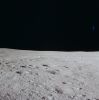
APOLLO_14_AS_14-66-9290_(HR).jpgAS 14-66-9290 (HR) - Looking for the Blue Flare... (2)73 visiteMa si tratterà poi davvero della Blue Flare che ha colto di sorpresa ed ha affascinato, assieme a migliaia di Private Researchers, anche la NASA, oppure siamo davanti ad un nuovo caso di superimposed image/photoartifact e cioè un dettaglio controverso (ergo - spesso - una possibile Anomalìa) il quale, assente nella versione raw del frame originale, poi appare misteriosamente nelle sue versioni digitalmente ripulite ed elaborate in HR?
MareKromium
|
|

APOLLO_14_AS_14-66-9291_(HR).jpgAS 14-66-9291 (HR) - Looking for the Blue Flare... (3)76 visiteDifficile dare opinioni definitive al riguardo e quindi ci fermiamo ai fatti: la Blue Flare che si vede in AS 14-66-9286, 9297 e 9299 (ed anche in svariati altri frames - due addirittura orbitali! - meno noti, ma certo non meno intriganti ed affascinanti) sembra proprio la Blue Flare dei frames 9290, 9295 e 9301 (provate, per questi ultimi, a vedere le loro versioni Original Uncompressed nella Sezione "Apollo: the early NASA Original Apollo Frames").
Sembra...
...E per gli Amanti dei minimi dettagli, anche il frame AS 66-9293 ci mostra qualcosa che potrebbe essere (ANCORA UNA VOLTA!) la Blue Flare...MareKromium
|
|
APOLLO_14_AS_14-66-9292_(HR).jpgAS 14-66-9292 (HR) - Looking for the Blue Flare... (4)66 visitenessun commentoMareKromium
|
|

APOLLO_14_AS_14-66-9293_(HR).jpgAS 14-66-9293 (HR) - Looking for the Blue Flare... (5)69 visitenessun commentoMareKromium
|
|
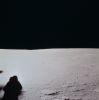
APOLLO_14_AS_14-66-9294_(HR).jpgAS 14-66-9294 (HR) - Looking for the Blue Flare... (6)67 visiteCaption NASA:"Al has move to the 12 o'clock position, due West of the ladder, to take a third pan. Down-Sun".MareKromium
|
|
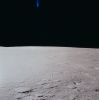
APOLLO_14_AS_14-66-9295_(HR).jpgAS 14-66-9295 (HR) - Looking for the Blue Flare... (7)70 visitenessun commentoMareKromium
|
|

APOLLO_14_AS_14-66-9296_(HR).jpgAS 14-66-9296 (HR) - Looking for the Blue Flare... (8)67 visitenessun commentoMareKromium
|
|
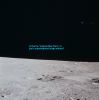
APOLLO_14_AS_14-66-9297_(HR).jpgAS 14-66-9297 (HR) - Looking for the Blue Flare... (9)89 visitenessun commentoMareKromium
|
|
| 86 immagini su 8 pagina(e) |
 |
|
|
5 | |
|
|





