|
|
I am speechless...
|
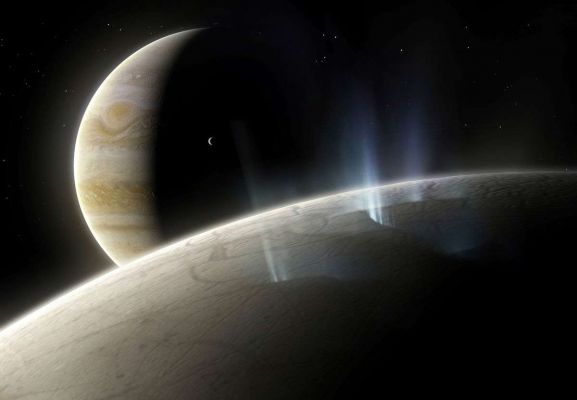
C'è un luogo del Sistema Solare dove pensiamo di trovare forme di vita extraterrestri. Ha un nome molto familiare ed è uno dei satelliti di Giove: si chiama Europa. Questo mondo ha delle caratteristiche geologiche che lo rendono estremamente interessante da decenni. Fuori è coperto da una spessa crosta ghiacciata, ma dentro contiene un enorme oceano, proprio come quelli che abbiamo qui sulla Terra (vedi Nota 1).
La sua caratteristica unica suggerisce che l'acqua oceanica può "in qualche modo muoversi attraverso il guscio e raggiungere la superficie", ha affermato Alyssa Rhoden, scienziato del Southwest Research Institute in Colorado. Se l'affermazione è, in effetti, vera, "i nutrienti e l'energia possono circolare tra l'oceano, il guscio di ghiaccio e la superficie, e questo può essere benefico per la vita".
L'imminente Europa Clipper della NASA è una missione rivoluzionaria per capire di più sul corpo planetario e sul suo potenziale di abitabilità. Verrà lanciato nel 2024 e arriverà nel 2030.
NASA's upcoming Europa Clipper is a groundbreaking mission to learn more about the planetary body and its potential for habitability. It will launch in 2024 and arrive in 2030.
Rhoden said, "I started researching Europa 22 years ago and have always had the same images to work with. So, I'd say I'm EXTREMELY excited about the new datasets that Clipper will provide. As for habitability, there are probably many ways it will inform us about it, but what I'm most interested in seeing is evidence of liquid water within the ice shell."
When asked what life might be found on Europa, Rhoden quipped, "Space whales, obviously." (See Note 2.)
Note 1: This information is over 28 years old;
Note 2: If this lady is a "scientist," then it's really over...
|
|