| Piú votate - SOLAR SYSTEM |

Sedna-08.jpgSedna's position in the Sky (March-April 2004)189 visiteMa dove si trova, esattamente, Sedna?
A questa domanda risponde la mappa che Vi proponiamo e che si riferisce alla posizione di Sedna nel cielo dei mesi di Marzo-Aprile 2004. E' inteso che qualora riuscissimo a trovare delle mappe più recenti, non mancheremo di proporvele!
Ed eccoVi il commento originale: "This view shows where the newly discovered planet-like body, dubbed "Sedna," would lie in the evening skies at around 8:00 p.m. Pacific Standard Time. Currently it is located in the constellation of Cetus and forms a triangle with Mars and Venus in the direction of the setting Sun. Sedna is so faint, however, that it can not be seen with the naked eye, or with telescopes typically used by amateur astronomers". 
(28 voti)
|
|

Hero Rupes-PIA02413.jpgHero Rupes83 visiteCaption NASA originale:"After passing Mercury the first time and making a trip around the Sun, Mariner 10 again flew by Mercury on September 21 at 1:59 PMPDT. This encounter brought the spacecraft in front of Mercury in the southern hemisphere.
Hero Rupes, the large scarp visible running across the bottom of the image, is thought to thought to have been formed by global tectonic forces, possibly due to shrinkage of the planet as it cooled. Mariner 10 was looking obliquely across Mercury's southern hemisphere when it acquired this dramatic shot near the beginning of its southern hemisphere pass (FDS166618)".
(11 voti)
|
|

Amalthea and Io-PIA01626.jpgAmalthea and Io (approx. true colors)147 visiteComposite view of Amalthea and Io at the same scale. The visible part of Amalthea is about 150 Km across. The colors are just approximate. Amalthea is actually much darker than Io, but is displayed at a similar brightness for ease of viewing. The shape of Amalthea is controlled largely by impact cratering and fragmentation. In contrast, Io, like Earth, has gravity sufficient to form it into a slightly ellipsoidal sphere. Amalthea is covered by craters because there are no processes which erode or cover them efficiently. On extremely volcanically active Io, impact craters are covered quickly by lavas and other volcanic materials. Some of the volcanic materials escape from Io and probably contribute to the reddish colors of Amalthea and the other small inner satellites. The Amalthea and Io composites, obtained by the Solid State Imaging (SSI) camera on NASA's Galileo spacecraft on different orbits, were placed side by side for comparison purposes. The Amalthea composite combines data taken with the clear filter of the SSI system during orbit six, with lower resolution color images taken with the green, violet, and 1 micrometer filters during orbit 4. The Io data was obtained on July 2nd, 1998 (orbit 14) using the green, violet, and 1 micrometer filters.
(11 voti)
|
|

Craters-Wanda_Crater-PIA00250.jpgMagellan Probe: radio image of "Wanda" Impact Crater in Akna Montes101 visiteCaption NASA originale:"This Magellan full-resolution image show the northern part of the Akna Montes. The Akna range is a North-South trending ridge belt that forms the western border of the elevated smooth plateau of Lakshmi Planum. The Lakshmi plateau plains are formed by extensive volcanic eruptions and are bounded by mountain chains on all sides. The plains appear to be deformed near the mountains. This suggests that some of the mountain building activity occurred after the plains formed. An impact crater (Official International Astronomical Union name 'Wanda,' mapped first by the Soviet Venera 15/16 mission in 1984 at LR) with a diameter of 22 Km was formed by the impact of an asteroid in the Akna mountains. The crater has a rugged central peak and a smooth radar-dark floor, probably volcanic material. The crater does not appear to be much deformed by later crustal movement that uplifted the mountains and crumpled the plains".
(11 voti)
|
|

Enceladus-N00030084.jpgEnceladus, from approx. 17.000 Km65 visiteAncora il grande cratere che avevamo visto nel frame precedente, più vicino di oltre 4000 Km. Stupenda, semplicemente, la visione del terminatore di Encelado ed i conseguenti grandi contrasti luce-ombra, determinati dalle differenti altezze dei rilievi fotografati.
(11 voti)
|
|

Enceladus-N00030070.jpgEnceladus, from approx. 22.500 Km : a controversial "crack"84 visiteNon ci vogliono "occhi da geologo" o grandi esperienze nella classificazione dei rilievi superficiali dei corpi celesti esterni per capire che il crack che attraversa tutta l'immagine presenta della caratteristiche assolutamente peculiari ed anomale. Esso sembra avere inizio dal margine di un piccolo cratere da impatto (che vedete in basso, a ridosso del bordo inferiore del frame) e poi si prolunga per centinaia di Km, seguendo quasi una linea retta ed aumentando le proprie dimensioni per poi, improvvisamente, dopo aver costeggiato un grande cratere da impatto, dividersi in due cracks più piccoli e tortuosi (parte alta dell'immagine).
Si tratta di un crack "giovane", senza dubbio, e molto diverso da quelli che caratterizzano la maggior parte di questa piccola luna.
(11 voti)
|
|

SA-Night On Saturn.jpgNight On Saturn90 visitenessun commento
(11 voti)
|
|

Mercury - Zola Crater from Mariner 10.jpgZola Crater - Mariner 1070 visiteCosa farà Messenger al riguardo? Usando uno strumento chiamato "altimetro laser" determinerà la presenza (o la mancanza) di sostanza liquida nel nucleo esterno del Pianeta, misurando la sua "librazione" (ossìa quella lenta, ma rilevabile, oscillazione di Mercurio attorno al proprio asse di rotazione).
Tale "librazione", qualora esistesse ancora un nucleo esterno liquido (magari anche solo in parte) su cui la componente rocciosa del Pianeta, di fatto, si trovasse a "galleggiare",...
(11 voti)
|
|

Saturn South-Pole from 22.000.000 Km.jpgThe South-Pole of Saturn from approx. 22.000.000 Km75 visitenessun commento
(11 voti)
|
|

Helene from Voyager 2.jpgHelene from Voyager 298 visiteAnche per "Helene" vale quanto detto per Epimetheus e le altre Lune Minori di Saturno: forme irregolari e dimensioni davvero modeste. Schegge (frammenti) di corpi più grandi i quali, oggi, ci rammentano catastrofi planetarie occorse in epoche remote, o dei semplici KBO, catturati da Saturno mentre si trovavano a passare nelle prossimità del Gigante Anellato?
Voi che dite?
(11 voti)
|
|

PHOEBE-PIA06064_modest.jpgPhoebe from Cassini-Huygens98 visiteUn'immagine spettacolare che ci mostra questa Luna martoriata da impatti occorsi - forse - milioni o miliardi di anni fa. La sua forma vagamente ovoidale, unita alle sue caratteristiche superficiali, fanno assomigliare questa Luna Maggiore - secondo noi - a Phobos. La grande depressione che vedete sulla parte superiore di Phoebe, infine, ci ricorda proprio lo "Stickney Crater" di Phobos
(11 voti)
|
|
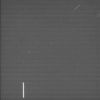
A Streak in the Saturn_s Space (1).jpgA "Streak" in the Sky of Saturn (1) - N00008770512 visiteEcco la prima delle due straordinarie immagini catturate dalla Sonda Cassini/Huygens mentre era impegnata a riprendere scorci dello Spazio di Saturno il giorno 4 Agosto 2004, ad una distanza di poco più di 8 milioni di km dal Pianeta Anellato. Un oggetto luminoso (molto luminoso!) in movimento passa davanti all'obbiettivo della Sonda: gli altri corpi celesti che si vedono sullo sfondo dell'immagine (stelle) sono tutti puntiformi. Proprio a giudicare dal quantitativo di stelle visibili sullo sfondo...
(39 voti)
|
|
| 4547 immagini su 379 pagina(e) |
 |
|
|
|
|
368 | |
|
|
|
|





