| Piú votate - Mars Reconnaissance Orbiter (MRO) |
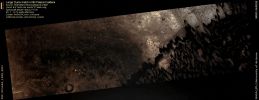
PSP_005684_1890_RED_abrowse-00-PCF-LXTT.jpgDark Dunefield in Nili Patera Caldera (CTX Frame - Enhanced Absolute Natural Colors; credits for the additional process. and color.: Dr Paolo C. Fienga - Lunexit Team)76 visitenessun commentoMareKromium
(3 voti)
|
|
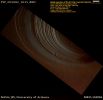
PSP_005682_1035_RED_abrowse-00.jpgBasal Exposure of SPLD (Darkened Absolute Natural Colors; credits for the additional process. and color.: Drr Gianluigi Barca and Paolo C. Fienga - Lunexit Team)70 visitenessun commentoMareKromium
(3 voti)
|
|
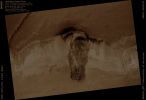
PSP_005701_1920_RED_abrowse-1.jpgLandslide in Xanthe Terra (Absolute Natural Colors; credits: Dr Paolo C. Fienga - Lunexit Team)61 visitenessun commentoMareKromium
(3 voti)
|
|
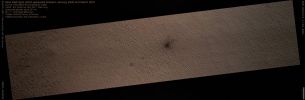
PSP_006972_1710_RED_abrowse.jpgRecent Impact (Absolute Natural Colors; credits for the additional process. and color.: Dr Paolo C. Fienga - Lunexit Team)65 visitenessun commentoMareKromium
(3 voti)
|
|

PSP_001897_1745_red_abrowse-PCF-LXTT.jpgLayering in Gale Crater (Absolute Natural Colors; credits for the additional process. and color.: Dr Paolo C. Fienga - Lunexit Team) 63 visitenessun commentoMareKromium
(3 voti)
|
|
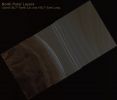
NorthernLayers-TRA_000878_2660_RED.jpgNorth Polar Layered Deposits (Absolute Natural Colors; credits for the additional process. and color.: Dr Paolo C. Fienga - Lunexit Team:)66 visitenessun commentoMareKromium
(3 voti)
|
|

PSP_005401_1960_RED_abrowse.jpgVolcanic Channels, East of Olympus Mons (Absolute Natural Colors; credits for the additional process. and color.: Dr Paolo C. Fienga - Lunexit) 111 visitenessun commentoMareKromium
(3 voti)
|
|

ESP_020794_1860_RED_abrowse.jpg"!" (Absolute Natural Colors; credits for the additional process. and color.: Dr Paolo C. Fienga - Lunexit Team)110 visitenessun commentoMareKromium
(3 voti)
|
|

PSP_005392_0995_RED_abrowse-02~0.jpgImpact Crater on the South Polar Layered Deposits (EDM n.2 - Absolute Natural Colors; credits for the additional process. and color.: Dr Paolo C. Fienga - Lunexit Team)90 visiteOf particular interest is the small, approx. 330 meter (360 yard) diameter Impact Crater. The number of Impact Craters on a Planetary Surface is often used to estimate the age of that Surface (because the older a Surface is, the more time that Surface has had to accumulate Craters, and thus the more Craters that Surface will have on it - assuming, of course, a constant "Cratering Rate" - Nota Lunexit: questa è un'assunzione, a dir poco, azzardata...).
The SPLD on Mars are believed to be very young because there are no large Craters on them and very few small Craters. The high resolution of HiRISE will enable these Craters to be studied in detail, perhaps allowing the number of Craters — and thus the Surface age — to be better constrained.MareKromium
(3 voti)
|
|

PSP_005370_1845_RED_abrowse-00.jpgExtremely unusually-looking Surface Feature in Sinus Meridiani (CTX Frame - Absolute Natural Colors; credits for the additional process. and color.: Dr Paolo C. Fienga - Lunexit Team)82 visitenessun commentoMareKromium
(3 voti)
|
|
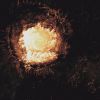
PSP_005370_1845_RED_abrowse-01.jpgExtremely unusually-looking Surface Feature in Sinus Meridiani (EDM - Absolute Natural Colors; credits for the additional process. and color.: Dr Paolo C. Fienga - Lunexit Team)83 visitenessun commentoMareKromium
(3 voti)
|
|

PSP_005361_2005_RED_abrowse-00.jpgCatastrophic Outflow Feature in Tharsis (Absolute Natural Colors; credits for the additional process. and color.: Dr Paolo C. Fienga - Lunexit Team)81 visitenessun commentoMareKromium
(3 voti)
|
|
| 2235 immagini su 187 pagina(e) |
 |
|
|
|
|
96 | |
|
|
|
|





