| Piú votate - Mars Reconnaissance Orbiter (MRO) |
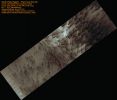
PIA10146-Fans~0.jpgTranslucent Seasonal Ice (MULTISPECTRUM; credits: Lunexit)98 visiteEvery year seasonal CO2 ice, known to us as "dry ice", covers the Poles of Mars. In the South Polar Region this ice is translucent, allowing sunlight to pass through and warm the surface below. The ice then sublimes (evaporates) from the bottom of the ice layer, and carves channels in the surface.
The channels take on many forms. In the image shown here the gas from the dry ice has etched wide shallow channels. This Region is relatively flat, which may be the reason these channels have a different morphology than the "spiders" seen in more hummocky terrain. MareKromium
(4 voti)
|
|
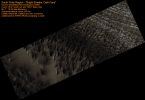
PIA10144-DarkFans~0.jpgBright Streaks and Dark Fans (MULTISPECTRUM; credits: Lunexit)58 visiteThe South Polar Region of Mars is covered every year by a layer of Carbon Dioxide (CO2) ice. In a Region called the "cryptic terrain", the ice is translucent and sunlight can penetrate through the ice to warm the surface below.
The ice layer sublimates (evaporates) from the bottom. The Dark Fans of dust seen in this image come from the surface below the layer of ice, carried to the top by gas venting from below. The translucent ice is "visible" by virtue of the effect it has on the tone of the surface below, which would otherwise have the same color and reflectivity as the Fans.
Bright streaks in this image are fresh frost. The CRISM team has identified the composition of these streaks to be Carbon Dioxide.
Nota Lunexit: questa è la surface feature che ha "stimolato" l'immaginazione di Joseph Skipper e Richard Hoagland. Secondo costoro, le "dark features" sarebbero alberi simili ai "pioppi" terrestri... Ogni ulteriore commento ci sembra davvero inutile.MareKromium
(4 voti)
|
|
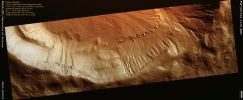
PSP_007143_1370_RED_abrowse.jpgGully Alcoves (MULTISPECTRUM; credits: Lunexit)60 visiteSeveral characteristics of crater wall gullies are visible in this image that provide possible insight into the formation mechanisms of gullies on Mars.
Gullies near the left side (North) of the image are deeper and originate in alcoves near the rim of the Crater. Gullies near the middle of the image are shallow and contain a more complex array of small channels. These smaller gullies initiate from a uniform elevation within the Crater Wall rather than at the Crater Rim. This suggests that the materials which flow down the Crater slopes to form the gullies originates at a specific layer exposed in the Crater Wall.
The undulating pattern of ridges on the Crater Floor (lower side of the image) appear similar to features interpreted as elsewhere on Mars that involve ice-rich materials.MareKromium
(4 voti)
|
|

PSP_007493_2650_RED_abrowse~0.jpgNorth Polar Layered Deposits covered by Seasonal Frost (MULTISPECTRUM; credits: Lunexit)58 visiteThis image shows an exposure of the North Polar Layered Deposits (NPLD). The layering visible here might have been formed by recent climate variations on Mars, similar to ice ages on Earth.
While the Polar Layered Deposits are mostly water ice, exposures such as this are typically covered by a layer of reddish dust, protecting the underlying ice from evaporation during the Summer. This dusty layer hides the internal composition of the Polar Layered Deposits from view, but variations in the slopes of the surfaces of the layers are still visible.
The slope of each layer is probably affected by the internal composition, so the topography of exposures like this is of interest to scientists. When this image was taken (Northern Spring), the surface was mostly covered by seasonal CO2 frost.
This white frost layer helps to highlight the surface slopes because the visible brightness variations are mainly caused by topographic variations. Therefore, this image will be useful for photoclinometric, or "shape from shading" analyses that can yield topographic maps limited only by the resolution of the image.
MareKromium
(4 voti)
|
|
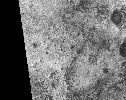
PSP_007612_2045-GIF.gifProposed MSL Landing Site in Mawrth Vallis - Ellipse 2 (GIF-Movie; credits: Carlo Contu)72 visiteSiamo nella Regione di Mawrth Vallis: una Regione di grandissimo interesse geologico (o forse sarebbe meglio dire "Mineralogico", vista la apparente varietà di minerali esposti e già individuati) la quale, forse, in un prossimo futuro, potrebbe costituire la "Casa" del Mars Science Laboratory Rover (anche se noi dubitiamo che il MSL Rover scenda effettivamente in questa zona del Pianeta Rosso...). +
Il dettaglio intrigante che ci viene proposto in questo suggestivo filmato GIF realizzato dal nostro Carissimo Amico e Partner, Carlo Contu, attiene un rilievo tanto piccolo, quanto bizzarro: una modesta collinetta con due lati "piallati".
Si tratterà di una frana o di qualcosa di più - diciamo così... - "esotico" (tipo uno scavo a cielo aperto)?
La Verità, anche in questo caso - e come sempre - non la conosciamo: noi possiamo solo invitarVi a guardare questo filmato ed a riflettere sui suoi particolari (uno su tutti, ma che NON Vi suggeriremo, in attesa che qualcuno di Voi se ne accorga e ne parli, in sede di commento).
Che altro dire? Complimenti a Carlo Contu e...Buona Esplorazione!MareKromium
(4 voti)
|
|

PSP_006952_1870_RED_abrowse~0.jpgDark Dunefield in West Arabia Terra (MULTISPECTRUM and Yellow/Orange Filters ON; credits: Lunexit)59 visiteThis image shows dunes in an unnamed crater in the west Arabia Terra Region.
The rim of the crater lies to the South of the image (Sx)and a dark, toned field of Barchan Sand Dunes rests on the crater floor in the Northern portion of the observation.
Barchan Dunes are commonly found on Earth, and are generally crescent-shaped with a steep slip face bordered by horns oriented in the downwind direction. Barchan Dunes form by unidirectional winds and are good indicators of the dominant wind direction. In this case, the strongest winds blew approximately North to South.
These dunes are most likely composed of basaltic sand that has collected on the bottom of the crater.
Superimposed on their surface are smaller secondary dunes which are commonly seen on terrestrial dunes of this size. Many smaller and brighter bed forms — most likely small dunes or granule ripples — also cover the substrate between the larger dark dunes. The dark dunes overlie the small bright bed forms indicating that the darker dunes formed more recently.
MareKromium
(4 voti)
|
|
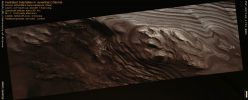
PSP_007126_1755_RED_abrowse.jpgFeatures of Juventae Chasma (MULTISPECTRUM; credits: Lunexit)60 visiteQuesta località è stata analizzata da molti Anomaly Hunters per via dell'esistenza di un PRESUNTO terrazzamento ripreso dalla Sonda Mars Express; un Terrazzamento che avrebbe dovuto (di)mostrare l’esistenza di una possibile cava (ergo di un'Opera Artificiale).
Bene: eccoVi dunque una nuova immagine di Juventae Chasma, questa volta ottenuta dalla sonda MRO e finalmente ad Alta Definizione.
Basterebbe lasciar parlare l’immagine, che più di mille parole può (chissà, forse purtroppo) per smentire una tale e colossale svista da parte della corrente complottista che vide nella elaborazione digitale ESA la prova provata dell'esistenza di una miniera laddove non c'è null'altro se non l'Opera della Natura (intrigante e selvaggiamente ammiccante, MA SEMPRE E SOLO NATURA!).
È verissimo che solo chi fa sbaglia, ma se è vero che a volte si sbaglia anche a non fare, cogliamo questa occasione per analizzare meglio la base di partenza di questa vicenda.
Tutto è nato dalle parole che troviamo nel libro dell’Ing. Piccaluga (che salutiamo) il quale, dopo aver teorizzato che tali pareti siano lavorate in modo troppo simmetrico e regolare per essere "naturale", mostra come controprova (anzi, come “prova che non avrei mai voluto trovare”) il frame Mars Global Surveyor MOC2-433.
Parafrasando il testo dell’Ingegnere, questo frames MGS, pur riprendendo la sagoma del sito, non mostra più i terrazzamenti; la cava è diventata un rilievo assolutamente piatto (e naturale), e quindi non resta che “prendere atto che l’immagine è stata contraffatta completamente (…) non c’è altra spiegazione”.
Ma attenzione: occorre precisare che ci sono anche altre due ipotesi da considerare: o i terrazzamenti sono stati aggiunti dall’ESA (!), o i lavori, la scritta e la cava sono stati eseguiti nell’arco di un anno (la pseudo foto ESA è del 26 marzo 2004).
Insomma, il sito artificiale è troppo evidente, la corrente liberale dell’ESA ha deciso di “lasciare al loro destino la NASA ed i suoi ingannevoli trucchi fotografici” e, per il Caro Ingegnere, “rimane inaccettabile che un Ente tanto prestigioso possa aver operato in modo così scorretto”.
Parole dure, forse condivise da altri Scrittori ed Appassionati, ma anche ingannevoli, come le "pseudo-foto" dell'ESA.
E si, INGANNEVOLI, poichè - diremmo capziosamente - lo scenario sopra delineato non contempla una terza (e diremmo ESSENZIALE) possibilità: l’errore umano dello Scrittore. La "svista", insomma...
Non entrando nel merito delle analisi che mostrerebbero la presunta cava (qui ben visibile come mai...) visto la difficoltà di analisi dei frames orbitali e della loro intrinseca ambiguità (tutti possono vederci tutto ed il suo contrario) dobbiamo evidenziare la svista riferita al frame Mars Global Surveyor come mezzo di prova.
Ebbene quel frame mostra - semplicemente - un altro rilievo, nulla di più… E comunque quel frame sarebbe stato realmente anomalo qualora avesse effettivamente mostrato i terrazzamenti in questione, semmai.
Non solo: la “scorretta NASA”, in realtà e sempre con la sonda MGS, aveva già mostrato (e ben prima dell’ESA!) proprio il rilievo controverso ora in questione: eccovi date e seriali, per Vostra opportuna informazione
16 Ottobre 2000 frame M12-00299
30 Settembre 2003 frame E23- 01035 (con un bel dettaglio della inesistente miniera)
27 Settembre 2004 frame R12-00618
13 Aprile 2006 frame S05-01549
Che dire quindi?
Lasciando la parola ancora al Caro Ingegnere leggiamo che “resto, fino a prova contraria, fermo nella convinzione che gli Americani abbiano cancellato le tracce di un sito artificiale (…) la mia sincera speranza è che ci sia una spiegazione a quanto osservato”.
Giusto.
Speriamo quindi di aver fatto una cosa gradita a TUTTI mostrandoVi svariati, possibili e PLAUSIBILI spunti, scenari e riferimenti i quali, nel loro insieme, costituiscano un'adeguato back-ground per un'auspicabile - e, nei confronti della Ricerca e dei Ricercatori del Futuro (Ricerca e Ricercatori con la "R" maiuscola...) - opportuna ed onesta “errata corrige”.
O no?!?MareKromium
(4 voti)
|
|
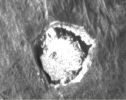
PSP_007055_2015_RED_abrowse-1.jpgVolcanic and Clay Materials near Nili Fossae (edm n. 1)59 visitenessun commentoMareKromium
(4 voti)
|
|
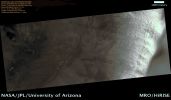
PSP_007153_2505_RED_abrowse.jpgDunes in Vastitas Borealis (MULTISPECTRUM; credits: Lunexit)58 visiteWindblown sand can be used to tell us the wind direction on Mars. Small-scale features, such as Ripples and Wind Tails, indicate the most recent wind directions.
Wind-Tails may be the remnants of a formerly widespread mantle of sediment that has been removed. Alternatively, they may have formed when aeolian sediment is deposited in the wind-shadow zone behind obstacles such as the 1,5 mt diameter boulders on the crater rim (Sx of the image). Their orientation points in the downwind direction and in this frane you can see two wind tails that extend from some boulders, thus indicating winds blowing from at least two different directions.
Ripples occur on the surface of all dunes imaged at HiRISE resolution on Mars and the alignment of Ripples often results from the influence of more than one wind direction.
In this frame, the Ripples are superimposed on a low dome dune.
On Earth, ripples on the surface of sand dunes may re-orientate in a matter of hours, but the time required to re-orientate Ripples on Mars is unknown.MareKromium
(4 voti)
|
|
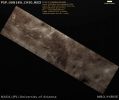
PSP_008189_2930_RED_abrowse.jpgFrost in Vastitas Borealis (MULTISPECTRUM; credits: Lunexit)62 visitenessun commentoMareKromium
(4 voti)
|
|
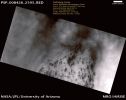
PSP_008426_2595_RED_abrowse-00.jpgPolygons, Crater Layers, and Defrosting Dunes (ctx frame - MULTISPECTRUM-2; credits: Lunexit)60 visiteThe North Polar Region is surrounded by a large sea (erg) of dark sand dunes that become covered by seasonal CO2.
As the Northern Hemisphere begins to warm in the Spring, the frozen CO2 sublimates.
The wind blows from an East-Northeasterly direction and leaves dark streaks behind (exposed basalt) from the evaporating Carbon Dioxide. This image displays defrosting sand dunes in an unnamed crater.MareKromium
(4 voti)
|
|
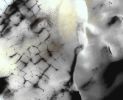
PSP_008426_2595_RED_abrowse-02.jpgPolygons, Crater Layers, and Defrosting Dunes (edm n. 2 - MULTISPECTRUM-2; credits: Lunexit)59 visiteAnother feature of interest is the Sublimating Polygons that have very small ripples on top of them. Polygons are created from a freeze-thaw processes similar to features on Earth that undergo annual contraction of the Permafrost Regolith.MareKromium
(4 voti)
|
|
| 2235 immagini su 187 pagina(e) |
 |
|
|
|
|
72 | |
|
|
|
|





