| Piú votate - Mars Reconnaissance Orbiter (MRO) |

ESP_013954_1780_RED_abrowse-02.jpgVictoria Crater (EDM - Natural Colors; credits: Lunexit)61 visiteVictoria Crater was explored by Opportunity Rover for more than a Mars year; HiRISE images have supported surface exploration and contributed to joint scientific studies.
HiRISE stereo data were used to measure slopes and help select safe paths for the intrepid Rover. The most interesting exposures of geologic strata are in the steep walls of the Crater, difficult to image from the overhead perspective of orbiting spacecraft like MRO. However, MRO can point to the sides, and did so in this case to get a better view of layers in the West-facing and sunlit slopes of the Crater.
Especially prominent is a bright band near the top of the Crater Wall, interpreted by some MER scientists as having formed by diagenesis (chemical and physical changes in sediments after deposition). This bright band separates the bedrock from the impact ejecta deposits of Victoria Crater.MareKromium
(3 voti)
|
|

ESP_014007_2030_RED_abrowse1.jpgMawrth Vallis (Blue Filter OFF - Red Filter ON - Natural Colors; credits: Lunexit)61 visiteCon un semplice "scambio" di Filtri/Colore, ecco che un paesaggio - pur rimanendo in Colori Naturali - cambia radicalmente di aspetto.
Questo è solo un piccolissimo esempio di quanto sia facile alterare la realtà, pur rimanendo - se non altro formalmente - nell'ambito della Colorizzazione Naturale (e cioè quella colorizzazione fatta rispettando le linee RGB proprie del frame, e finalizzata a dare all'Osservatore un'idea di come il paesaggio ripreso gli apparirebbe "ad occhio nudo", e cioè senza l'ausilio di supporti idonei ad amplificare lo Spettro della Luce - normalmente - Visibile ad un essere umano).MareKromium
(3 voti)
|
|

ESP_014007_2030_RED_abrowse.jpgMawrth Vallis (Blue Filter ON - Red Filter OFF - Natural Colors; credits: Lunexit)60 visitenessun commentoMareKromium
(3 voti)
|
|
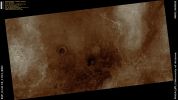
ESP_014178_1765_RED_abrowse1.jpgMeridiani Planum, Southern Boundary (Natural Colors; credits: Lunexit)59 visitenessun commentoMareKromium
(3 voti)
|
|
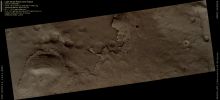
PSP_009523_2165_RED_abrowse.jpgLight-Toned Rock and Scarps (Natural Colors; credits: Lunexit)59 visitenessun commentoMareKromium
(3 voti)
|
|

ESP_012588_1855_RED_abrowse-01.jpgFresh Impact (EDMs - EDM 1, 2 and 3, from the bottom up, are in Natural Colors; credits: Dr M. Faccin)69 visiteOsservate attentamente: il Suolo Marziano è, effettivamente, "macchiato" - e probabilmente bruciato -, MA NON INTACCATO (una conferma in tale senso deriva dalla constatazione della circostanza per cui i Rilievi Superficiali visibili in corrispondenza della "macchia" (diremmo che si potrebbe trattare di Yardangs aventi modestissime dimensioni) non subiscono variazioni/deformazioni in rapporto ai medesimi Rilievi visibili al di fuori della zona interessata dall'impatto/esplosione (diciamo, tecnicamente, che "i Rilievi Superficiali esterni all'area di interesse proseguono senza soluzione di continuità all'interno dell'area stessa").
Che altro aggiungere? Si tratta di un fenomeno, come vedete, decisamente INTERESSANTE, ma sul quale la NASA - as usual... - non ci ha detto assolutamente nulla.
Peccato...MareKromium
(3 voti)
|
|

ESP_012588_1855_RED_abrowse-00.jpgFresh Impact (Natural Colors; credits: Lunexit)83 visiteIl "Dark Splat" che vedete in questa splendida immagine MRO costituisce l'evidenza oggettiva, a nostro parere, di un recentissimo impatto. Ma...che genere di impatto?
Come potrete meglio ammirare nei dettagli magnificati che seguono (tutti in formato JP-2000 ed ottenuti dal nostro eccezionale Marco Faccin), in corrispondenza del punto di (presumibile) impatto, NON C'E' CRATERE, ma solo evidenze di bruciature.
Questa circostanza la possiamo spiegare facendo 2 ipotesi:
1) il bolide si è disintegrato/è esploso quando era ormai vicinissimo al suolo (la Superficie di Marte è stata quindi "macchiata" dall'esplosione, senza restarne intaccata - se non in misura assolutamente marginale e visivamente non risolvibile - neppure dalle ottiche MRO!);
2) il bolide (una piccola cometa, riteniamo) ha EFFETTIVAMENTE impattato Marte, ma la sua massa e composizione erano talmente inconsistenti da risultare inidonee a scavare un cratere (ancorchè piccolo e poco profondo) sulla dura e rocciosa Superficie del Pianeta Rosso.
In pratica, quindi, l'evento che potrebbe essersi verificato si risolverebbe nell'impatto di una cometina (una "palla di neve sporca", come dicono alla NASA) con una superficie piatta ed oltremodo resistente. Risultato: il suolo viene appena "macchiato", ma NON intaccato!
Se avete altre ipotesi, scrivete!MareKromium
(3 voti)
|
|
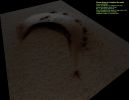
PSP_007080_2565.jpgBarchan Dune in Vastitas Borealis (Perspective View and Natural Colors; credits: Dr G. Barca)58 visitenessun commentoMareKromium
(3 voti)
|
|
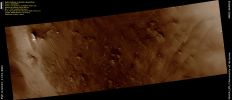
PSP_010397_1725_RED_abrowse-00.jpgLight-Toned Rock Exposures in Noctis Labyrinthus OR Salty "Outlines"? (ctx frame - Natural Colors; credits: Lunar Explorer Italia)63 visitenessun commentoMareKromium
(3 voti)
|
|

ESP_013348_1185_RED_abrowse-00.jpgDunefield in Noachis Terra (ctx frame - Natural Colors; credits: Lunar Explorer Italia)59 visiteThis Dunefield is on the floor of a small crater in Noachis Terra, a Region located in the Southern Hemisphere of Mars.
The slip faces of the Dunes have multiple directions, indicating that there were several wind directions and changes in wind strength when the Dunes formed. The dominant Dune type are Transverse Dunes (oriented perpendicular to the prevailing wind direction), with modified Barchans (crescent-shaped dunes) in the Northern Region of the Field and incipient Linear Dunes in the Southern Region.
The bright material scattered throughout the Dune Troughs are outcrops of underlying bedrock.
The left side (Sx) of the image clearly displays a mass of Dark Dust Devil Tracks.
Dust Devils are wind funnels that suck up dust as they travel over the surface exposing the dark sandy substrate.MareKromium
(3 voti)
|
|

ESP_011635_1510.jpgRitchey Crater (perspective view - Natural Colors; credits: Dr M. Faccin & Lunexit)80 visitenessun commentoMareKromium
(3 voti)
|
|
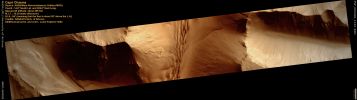
PSP_009446_1650_RED_abrowse.jpgCapri Chasma (Natural Colors; credits: Lunar Explorer Italia)57 visitenessun commentoMareKromium
(3 voti)
|
|
| 2235 immagini su 187 pagina(e) |
 |
|
|
|
|
108 | |
|
|
|
|





