| Piú votate - Mars Reconnaissance Orbiter (MRO) |
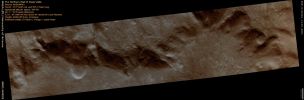
ESP_018492_2120_RED_abrowse-PCF-LXTT3.jpgThe Northern Wall of Kasei Valles (Natural Colors; credits for the additional process. and color.: Dr Paolo C. Fienga - Lunexit Team)56 visitenessun commentoMareKromium
(3 voti)
|
|
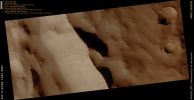
ESP_018468_1485_RED_abrowse.jpgPossible Olivine-rich Crater Wall in Terra Sirenum (Natural Colors; credits for the additional process. and color.: Dr Paolo C. Fienga - Lunexit Team)57 visitenessun commentoMareKromium
(3 voti)
|
|
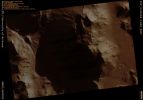
ESP_018498_1480_RED_abrowse.jpgLow Sun, Dark Shadows (Natural Colors; credits for the additional process. and color.: Dr Paolo C. Fienga - Lunexit Team)66 visitenessun commentoMareKromium
(3 voti)
|
|
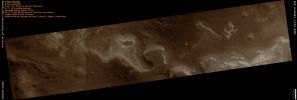
ESP_018487_1470_RED_abrowse.jpgHellas Planitia (Natural Colors; credits for the additional process. and color.: Dr Paolo C. Fienga - Lunexit Team)59 visitenessun commentoMareKromium
(3 voti)
|
|
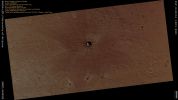
ESP_018352_1805_RED_abrowse1.jpgRayed Crater in Elysium Planitia (Natural Colors; credits for the additional process. and color.: Dr Paolo C. Fienga - Lunexit Team)57 visiteMareKromium
(3 voti)
|
|
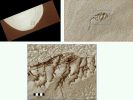
ESP_018301_2505_RED_abrowse-01.jpgLouth Crater (CTX Frame + EDMs - Natural Colors; credits for the additional process. and color.: Dr Paolo C. Fienga - Lunexit Team)61 visitenessun commentoMareKromium
(3 voti)
|
|
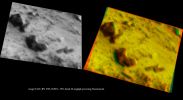
ESP_018075_1955_RED_abrowse-01.jpgUnusually-looking Surface Feature in Cerberus Fossae (credits for the additional process.: Dr Marco Faccin - Lunexit Team)75 visitenessun commentoMareKromium
(3 voti)
|
|
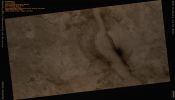
ESP_018161_2270_RED_abrowse-1.jpgFuture Mars Landing Site in Acidalia Mensa (Natural Colors; credits for the additional process. and color.: Dr Paolo C. Fienga - Lunexit Team)61 visitenessun commentoMareKromium
(3 voti)
|
|

PSP_002917_2175_RED_abrowse-00.jpgDissected Mantled Terrain (CTX Frame - Natural Colors; credits: Dr Paolo C. Fienga - Lunexit Team) 55 visiteA Northern Mid-Latitude scene consisting of Craters, Intercrater Plains and Mantled Material is visible in this HiRISE image.
The Mantled Material seen here covers much of the Middle Latitudes in both Hemispheres of Mars and it has been visibly removed in some locations.
This Terrain is called "Mantled" because it looks as if it's just draped over (meaning that it is "mantling") the topography underneath it.
The Mantled Material is what causes the Craters to have a muted, softened appearance. It's thought to be ice-rich material deposited in a climate different from that of today.
The Mantled Unit is dissected here, meaning that is not pristine and has likely undergone modification since it was originally laid down. The Intercrater Plains have a pitted texture that it is thought to be caused by water ice sublimating and leaving depressions behind.
Unlike that of Earth, the Obliquity (such as "tilt" of the Red Planet's Rotation Axis) of Mars changes wildly. Earth has the Moon to keep its Axis stable, but Mars' satellites, Phobos and Deimos, are not massive enough to do the same.
Today Mars' Obliquity (25,19°) is similar to that of Earth's (23.45°), but this has not always been the case. As the Obliquity changes, the portions of Mars that receive the most sunlight shift. During periods of high Obliquity, Polar Regions receive the most sunlight.
This causes Polar Ices, including water ice and CO2 ice, to sublimate into the Atmosphere. They would then potentially be re-deposited in the Mid-Latitudes, similar to where this image is located.
It is believed that this process is responsible for the existence of the Mid-Latitude Mantled Units.MareKromium
(3 voti)
|
|

PSP_002917_2175_RED_abrowse-01.jpgDissected Mantled Terrain (EDM - Natural Colors; credits: Dr Paolo C. Fienga - Lunexit Team) 57 visitenessun commentoMareKromium
(3 voti)
|
|

PSP_002946_1765_RED_abrowse-00.jpgInterior Layered Deposits (ILD) in Juventae Chasma (CTX Frame - Natural Colors; credits for the additonal process. and color.: Dr Paolo C. Fienga - Lunexit Team)58 visiteThis observation shows a portion of some Interior Layered Deposits (ILD) in Juventae Chasma.
Juventae Chasma is a large depression near the Equatorial Canyon System known as Valles Marineris. The scene is along the top of a Mound of Layered Deposits on the Floor of Juventae Chasma.
Dunes are seen in the low-lying, darker regions. Very fine Layers are also visible. Understanding what kinds of materials formed the Layers, how they were set in place, and how they have evolved will provide insight into Martian Geologic History.
Many of the Martian Chasmata (----> plural of Chasma) contain ILD like these. The ILD were deposited a long time ago, but the actual method is unknown. It has been suggested that sedimentary layers in standing bodies of water or volcanic ash deposits comprise the ILD. The alternating layers could indicate regular, repeating cycles of deposition. It is also possible that these layers once covered the entire chasma floor.
The IDL shown here have been modified by wind erosion.
The Yardangs visible near the top right of the full image are evidence for wind sculpting of the Deposits. It is interesting to note that there are very few craters in this scene, especially in the areas with visible Layers.
One crater can be found about half-way down the left side of the image amidst Layers and several craters are seen in the dark material on the right side of the image. This suggests that the ILD are eroding here fast enough to erase small craters before large numbers of them can accumulate.MareKromium
(3 voti)
|
|
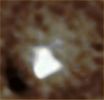
Psp_001497_2480_red-01~0.jpgThe Northern Lakes: Lake "Ginny" (EDM - Natural Colors; credits: Dr Paolo C. Fienga - Lunexit Team) 132 visiteProbabilmente (a differenza di quanto da noi supposto e speculato in passato) questa surface feature non è altro che un deposito di ghiaccio persistente - o di neve - il quale è sopravvissuto al disgelo sia grazie alla sua particolare posizione (in effetti giace leggermente infossato), sia in conseguenza di un benevolo regime dei Venti Dominanti (i quali non sono riusciti a spazzarlo via).
Certo, potrebbe anche trattarsi di un mini-laghetto, però...MareKromium
(3 voti)
|
|
| 2235 immagini su 187 pagina(e) |
 |
|
|
|
|
102 | |
|
|
|
|





