| Piú votate - Curiosity and the Exploration of Gale Crater |

SOL0020-0020MR0057011000C0_DXXX.jpgWhite Edge - Sol 20 (RAW b/w Original NASA Frame; credits: NASA/JPL-Caltech - Research: Dr Gianluigi Barca/Lunar Explorer Italia/Italian Planetary Foundation)95 visitenessun commentoMareKromium
(3 voti)
|
|

SOL0016-NRA_398919544EDR_F0030078NCAM00300M_.jpgRover Tracks - Sol 16 (Absolute Natural Colors; credits for the additional process. and color.: Dr Paolo C. Fienga - Lunar Explorer Italia/Italian Planetary Foundation)91 visitenessun commentoMareKromium
(3 voti)
|
|

SOL0000-RLA_397506157EDR_F0010008AUT_04096M_.jpgUp-Sun with "Mistery" - Sol 0 (a b/w NASA-MER Curiosity Original Frame)103 visitenessun commentoMareKromium
(3 voti)
|
|

SOL0000-RRA_397504876EDR_F0010000AUT_04096M_.jpgUp-Sun with "Mistery" - Sol 0 (a b/w NASA-MER Curiosity Original Frame)86 visitenessun commentoMareKromium
(3 voti)
|
|

SOL0000-RLA_397504876EDR_F0010000AUT_04096M_.jpgUp-Sun - Sol 0 (a b/w NASA-MER Curiosity Original Frame)105 visitenessun commentoMareKromium
(3 voti)
|
|

SOL0000-RLA_397504876EDR_F0010000AUT_04096M-RRA_397506157EDR_F0010008AUT_04096M.gifBright Light near the Horizon - Sol 0 (a GIF-Movie by Dr Gianluigi Barca/Lunar Explorer Italia/Italian Planetary Foundation)164 visiteIn risposta alla nuova "Bufala" che circola sulla Rete (rimbalzando da You-Tube verso "n" Forum di Appassionati, in Italia ed all'Estero) - una bufala sicuramente ben fatta da un punto di vista tecnico e che è pure assai suggestiva ma, nel contempo, ahinoi, PROFONDAMENTE INGANNEVOLE ED ALTAMENTE DISINFORMATIVA -, noi, come Gruppo di Ricerca Lunar Explorer Italia/Italian Planetary Foundation, Vi mostriamo, grazie al lavoro del nostro Dr Gianluigi Barca, l'UNICO GIF-Movie realmente VERO e realmente ottenibile con i Frames scattati dal Rover Curiosity, poco dopo il Landing avvenuto all'interno del Cratere Marziano "Gale".
Si tratta, in realtà, di SOLI 3 (TRE!) frames, ottenuti mediante scatti in ottica "Up-Sun" (---> Contro-Sole). Nel primo si può vedere un Sole brillante ed un Orizzonte Locale buio e poco definito; nel secondo e nel terzo, invece, si può DISTINTAMENTE vedere un oggetto ad elevatissima Albedo (---> riflettenza) che brilla sotto i raggi del Sole e che, tra un frame e l'altro, pare cambiare leggeremente posizione, MA SENZA LEVARSI IN VOLO (come invece mostra il filmato-bufala dianzi citato)!
Come potete agevolmente comprendere, Cari Amici Lettori, il "Mistero", a ben guardare, c'era e c'è comunque: cos'è, infatti, l'oggetto dallo splendore metallico, che si intravede ad una distanza imprecisata (ma comunque nell'ordine delle centinaia di metri, non di più) dal Rover Curiosity?
Nessuno può saperlo.
Forse è lo Sky-Crane (ma ne dubitiamo); forse è l'Heat-Shield o la Back-Shell (ma ne dubitiamo ancora di più), o forse è qualche frammento metallico comunque connesso a Curiosity ed allo Sky-Crane: NESSUNO, per ora, lo può sapere con certezza (tranne la NASA, che però non si è espressa).
Data l'esistenza, quindi, di un "Piccolo Mistero" (chi ben comincia...), che bisogno c'era, diciamo noi, di "taroccare" tutto, INVENTARSI BEN 57 FRAMES Curiosity (che NON ESISTONO!!!), e creare quindi un GIF-Movie-bufala che altro non serve se non a gettare ulteriore ed ingiusto discredito sull'Ufologia e l'Anomaly Hunting? La domanda a noi pare del tutto legittima ma, anche in questo caso, una risposta definitiva noi non Ve la possiamo dare.
Ve ne diamo una interlocutoria, però, che è questa: accanto ad individui e gruppi di individui che, data e premessa la loro insipienza, passano la vita a criticare chi lavora e si impegna, esistono altri individui e gruppi di individui i quali, per ragioni che solo loro conoscono (e presumibilmente di natura commerciale...), fingendo di agire per "sollevare il velo" che copre le già esistenti (e, riteniamo, innumerevoli) Evidenze Oggettive della Presenza di Intelligenze Aliene le quali agiscono (letteralmente) accanto a noi, in realtà non fanno altro che creare ragioni di discredito e motivo di diffidenza nei confronti di coloro che, invece, agendo con serietà e professionalità, quel "Velo" cercano di sollevarlo veramente.
E poi qualcuno (qualche IDIOTA) si è pure permesso, in passato, di chiamare NOI "Complottisti"! Mamma mia che tristezza e che squallore...MareKromium
(3 voti)
|
|

SOL0001-PIA16005.jpgThe Ultimate Destination: "Mount Sharp" - Sol 1 (RAW Absolute Natural Colors; credits for the additional process. and color.: Dr Paolo C. Fienga - Lunexit Team)125 visitenessun commentoMareKromium
(3 voti)
|
|

SOL0001-673758main_PIA15974-43_full.jpgLinearized Rear-View - Sol 1 (RAW Absolute Natural Colors; credits for the additional process. and color.: Dr Paolo C. Fienga - Lunexit Team)90 visiteCaption NASA:"This is a version of one of the first images taken by a Rear Hazard-Avoidance Camera (HazCam) on NASA's Curiosity Rover, which landed on Mars the evening of Aug. 5 PDT (morning of Aug. 6 EDT), 2012. It was taken through a "fisheye" wide-angle lens but has been "linearized" so that the Horizon looks flat rather than curved. The image has also been cropped. It is one-half of full resolution. Part of the Rim of Gale Crater, which is a feature the size of Connecticut and Rhode Island combined, stretches from the top middle to the top right of the image. One of the Rover's Wheels can be seen at bottom right. As planned, the Rover's early engineering images are taken at Low Resolution". MareKromium
(3 voti)
|
|

SOL0000-Mars_Descent_Imager_0000MD9999000027I1_DXXX-0000MD9999000621I1_DXXX-2-PIA15989.jpgLooking Down, at Gale - Sol 0 (Natural Colors; credits: NASA/JPL-Caltech/MSSS)83 visiteCaption NASA:"This color thumbnail image was obtained by NASA's Curiosity Rover during its descent to the Surface of Mars on Aug. 5 PDT (Aug. 6 EDT). This image from Curiosity's Mars Descent Imager reveals several Surface Features, including relatively Dark Dunes, degraded Impact Craters and other Geologic Features including small Escarpments that range in size from a few feet (meters) to many tens of feet (meters) in height". MareKromium
(3 voti)
|
|

SOL0001-PIA15969.jpgWelcome to Gale Crater: Curiosity's Shadow - Sol 1 (RAW b/w Original NASA Frame; credits: NASA/JPL-Caltech)101 visitenessun commentoMareKromium
(3 voti)
|
|
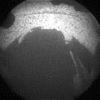
SOL0001-PIA15970.jpgWelcome to Gale Crater: Curiosity's Shadow - Sol 1 (RAW b/w Original NASA Frame; credits: NASA/JPL-Caltech)95 visitenessun commentoMareKromium
(3 voti)
|
|

SOL0001-PIA15972.jpgWelcome to Gale Crater! - Sol 1 (RAW b/w Original NASA Frame; credits: NASA/JPL-Caltech)90 visitenessun commentoMareKromium
(3 voti)
|
|
| 261 immagini su 22 pagina(e) |
 |
|
|
|
|
|
|
|
20 | |
|








