| Piú votate - Mars from Orbit (from July 2009) |

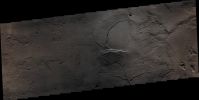
Craters-Eberswalde_Crater-PIA15207-PCF-LXTT.jpgFeatures of Eberswalde Crater (Absolute Natural Colors; credits for the additional process. and color.: Dr Paolo C. Fienga - Lunexit Team)208 visiteOrbit Number: 44018
Latitude: 23,94° South
Longitude: 326,37° East
Instrument: VIS
Captured: November, 16th, 2011
Mars Local Time (M.L.T.): 16:00 (Middle Afternoon)MareKromium
(2 voti)
|
|
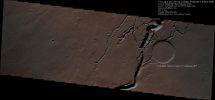
Volcanic_Features-Fractures-Echus_Montes-PIA15165-PCF-LXTT.jpgFractures in Echus Montes (Absolute Natural Colors; credits for the additional process. and color.: Dr Paolo C. Fienga - Lunexit Team)141 visiteOrbit Number: 43744
Latitude: 9,035° North
Longitude: 283,246° East
Instrument: VIS
Captured: October, 25th, 2011MareKromium
(2 voti)
|
|
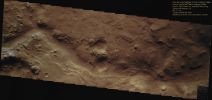
Channels-Iberus_Vallis-ECX-20080220a.jpgUnusually-looking Surface Feature near Iberus Vallis (Natural Colors; credits for the additional process. and color.: Dr Paolo C. Fienga - Lunexit Team) 195 visitenessun commentoMareKromium
(2 voti)
|
|
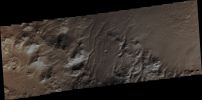
Channels-Huo_Hsing_Vallis-20080410a.jpgFeatures of Huo Hsing Vallis (Natural Colors; credits for the additional process. and color.: Dr Paolo C. Fienga - Lunexit Team) 197 visitenessun commentoMareKromium
(2 voti)
|
|

Craters-Brashear_Crater-PIA14996-PCF-LXTT.jpgDunefield in Brashear Crater (Sharpened Absolute Natural Colors; credits for the additional process. and color.: Dr Paolo C. Fienga - Lunexit Team)207 visiteOrbit Number: 43459
Latitude: 53,313° South
Longitude: 240,286° East
Instrument: VIS
Captured: October, 1st, 2011
Mars Local Time (M.L.T.): 16:00 (Middle Afternoon)
MareKromium
(2 voti)
|
|

Craters-Pollack_Crater-White_Rock_MO_1238-PCF-LXTT.jpgWhite Rock (Natural Colors; credits for the additional process. and color.: Dr Paolo C. Fienga - Lunexit Team)234 visitenessun commentoMareKromium
(2 voti)
|
|
Channels-Drainage_Channels-PIA14971-PCF-LXTT.jpgDrainage Channels on the Rim of Bakhuysen Crater (Absolute Natural Colors; credits for the additional process. and color.: Dr Paolo C. Fienga - Lunexit Team)189 visiteOrbit Number: 43492
Latitude: 23,6637° South
Longitude: 14,8281° East
Instrument: VIS
Captured: October, 4th, 2011
Mars Local Time (M.L.T.): 09:02 (Morning Hours)
MareKromium
(2 voti)
|
|
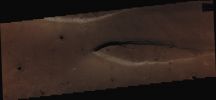
Channels-Tiu_Valles-PIA14969-PCF-LXTT.jpgStreamlined Island in Tiu Valles (Absolute Natural Colors; credits for the additional process. and color.: Dr Paolo C. Fienga - Lunar Explorer Italia) 187 visiteOrbit Number: 43443;
Latitude: 16,434° North;
Longitude: 324,445° East;
Instrument: VIS;
Captured: September, 30th, 2011
Mars Local Time (M.L.T.): 10:00 (Morning Hours)
MareKromium
(2 voti)
|
|
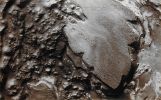
Chaotic_Terrain-Aram_Chaos-PIA08760-01.jpgFeatures of Aram Chaos (Enhanced Absolute Natural Colors; credits for the additional process. and color.: Dr Paolo C. Fienga - Lunexit Team) 157 visiteImage information: VIS instrument;
Latitude: 3,8° North;
Longitude: 339,0° East;
Resolution: 18 meter/pixel.MareKromium
(2 voti)
|
|
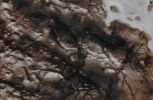
Chaotic_Terrain-Aram_Chaos-PIA02175-01.jpgFeatures of Aram Chaos (Enhanced Absolute Natural Colors; credits for the additional process. and color.: Dr Paolo C. Fienga - Lunexit Team) 162 visiteCaption NASA:"This image of part of Aram Chaos shows two different surface textures with distinctly different brightnesses. The lighter layer appears to be on top (therefore younger) than the darker surface".
Image information: VIS instrument;
Latitude: 2,1° North;
Longitude: 338,7° East;
Resolution: 17 meter/pixel.
MareKromium
(2 voti)
|
|

Aeolian_Features-Yardangs-20080111a.jpgAshes and Sulphur all over Apollinaris Patera (Extremely Enhanced Natural Colors; credits for the additional process. and color.: Dr Paolo C. Fienga - Lunexit Team) 161 visiteSe, per questo frame, la NASA sottolinea, per altro giustamente, l'aspetto legato ai "segni del vento" lasciati nei pressi dell'antico vulcano noto come Apollinaris Patera, noi preferiamo enfatizzare il "senso" di questa colorizzazione (forse un pò psichedelica, ma non fantasiosa).
Ricordate le istantanee Apollo 17 che ritraevano, nei pressi del Cratere noto come "Shorty", delle sabbie e detriti arancio/rossastri e che tanto stupirono la Comunità Scientifica? Ebbene, quel "bizzarro" colore della superficie lunare era solo l'evidenza di una remota attività vulcanica o di un, forse più recente, outgassing. Qualunque fosse l'origine del fenomeno, tuttavia, la sua causa venne chiarita attraverso l'analisi dei campioni riportati a Terra.
Per ricordare:"...On Earth, orange or rust-colored rocks and soil around volcanic vents are often the result of literal rusting of iron by volcanic water vapor. If this was the cause of the orange soil at Shorty then, small amounts of volcanic gasses might still be present (on the Moon)...".
Ed anche su Marte, ovviamente. Le "parole magiche", poi (e soprattutto per Marte), sono "ruggine causata da vapore acqueo". Ora la domanda è ovvia: perchè continuare a soffermarsi sulla tracce di "Aeolian Activities" quando c'è qualcosa - a nostro parere - di molto più intrigante da indagare?
Qualcosa che se, sulla Luna, poteva avere senso solo se riferita ad un remoto passato, su Marte potrebbe significare moltissimo in proiezione attuale e futura? Pensateci bene: il fenomeno del "rusting" (e quindi dei colori rosso/arancio accesi, sia sulla Luna, sia sulla Terra e sia su Marte o altrove nel Sistema Solare) si risolve nell'ossidazione di elementi ferrosi (iron-based and iron-rich elements) a causa della presenza di acqua (in qualche forma).
Perchè quindi ignorare il vapore acqueo (con la possibile "cappa di umidità" in perenne sospensione, come sostiene l'Amico Matteo Fagone) e parlare solo di "venti", di "yardangs", di "layers" e di tante altre cose certamente importanti e meravigliose, ma mai tanto importanti e meravigliose quanto l'eventuale - ed attuale - presenza di acqua sul Pianeta "Arrugginito"?
Ecco: alla fine, ben più di Cydonia e dei possibili "Artifacts Marziani", è questo il VERO "mistero"...MareKromium
(2 voti)
|
|

Clouds-PIA14965-PCF-LXTT.jpgClouds over Charlier Crater (Absolute Natural Colors; credits for the additional process. and color.: Dr Paolo C. Fienga - Lunexit Team)135 visiteOrbit Number: 43473
Latitude: 68,057° South
Longitude: 190,213° East
Instrument: VIS
Captured: October, 2nd, 2011
Mars Local Time (M.L.T.): 19:45 (Early Evening Hours)
MareKromium
(2 voti)
|
|
| 1003 immagini su 84 pagina(e) |
 |
|
|
|
|
64 | |
|
|
|
|





