| Piú votate - From Ashes to Eternity: the Phoenix Mars Mission |
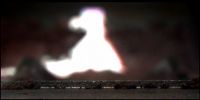
PHOE-SOL017-lg_4492.jpgBaking Time? - Sol 17 (Superdefinition; credits: Dr M. Faccin)97 visitenessun commentoMareKromium
(2 voti)
|
|
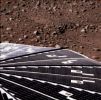
PHOE-SOL017-lg4298-4299-4300.jpgSolar Panels and surroundings - Sol 17 (Natural Colors; credits: Dr G. Barca)86 visitenessun commentoMareKromium
(2 voti)
|
|

PHOE-SOL017-_lg4554-4555.jpgPhoenix and the Landscape in True Colors! - Sol 17 (Superdefinition; credits: Dr Gianluigi Barca)81 visitenessun commentoMareKromium
(2 voti)
|
|
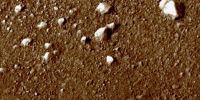
PHOE-SOL012-lg_3328.jpgSalt, Frost or just Over-exposed pebbles? - Sol 12 (MULTISPECTRUM; credits: Lunexit)65 visitenessun commentoMareKromium
(2 voti)
|
|

PHOE-SOL010-lg_82.jpgLights ON!76 visiteRicordate quando abbiamo detto che il colore del terriccio recuperato da Phoenix per le analisi era "falsissimo" oppure illuminato da una sorgente molto intensa e prossima? Ok. Ecco, nell'immagine, la "sorgente" in questione: un gruppo-luce costituito da leds blu, rossi e verdi. Sicuramente utili in alcuni casi ed altrettanto sicuramente fuorvianti in altre situazioni.
Comunque sia: "Lights ON" (!) e fine del mini-mistero relativo al colorito assurdo del suolo Marziano raccolto e fotografato da Phoenix.MareKromium
(2 voti)
|
|
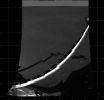
PHOE-SOL011-lg_3236.jpgCongratulations: a really AWFUL photo-mosaic by NASA! - Sol 1182 visiteCari Amici, guardare per credere: un foto-mosaico peggiore di questo è davvero difficile da immaginare...E meno male che questi sgorbi li produce la NASA, tramite la University of Arizona.
Domanda provocatoria (ma legittima): chissà quanto sono pagati i Fenomeni della NASA/University of Arizona per fare queste robe inguardabili...MareKromium
(2 voti)
|
|
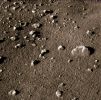
PHOE-SOL008-lg_2580-2581-2582.jpgThe soil of Vastitas Borealis - Sol 8 (Natural Colors + MULTISPECTRUM; credits: Dr Gianluigi Barca & Lunexit)66 visitenessun commentoMareKromium
(2 voti)
|
|
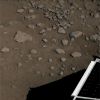
PHOE-SOL007-235168main_SS007EFF896839584_117F8RBM1-2-3.jpgRocks and the Solar Panel - Sol 7 (Superdefinition + MULTISPECTRUM; credits: Dr G. Barca & Lunexit)68 visitenessun commentoMareKromium
(2 voti)
|
|
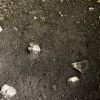
PHOE-SOL006-234593main_SS005ESF896648917_10F20R2M1-2-3.jpgThe soil of Vastitas Borealis - Sol 6 (Natural Colors; credits: Dr Gianluigi Barca)66 visiteUna splendida immagine (sembra insignificante, ma NON lo è...) ed una meravigliosa interpretazione in Colori Naturali del suolo di Vastitas Borealis, realizzata dall'eccezionale Dr Gianluigi Barca.
MareKromium
(2 voti)
|
|

PHOE-SOL016-lg_4865.jpgVastitas Borealis - Sol 16 (credits: NASA/Univ. of Arizona)73 visiteIl "tristissimo" (e, onestamente parlando, pure piuttosto scialbo) commento scritto per questo frame nella (di solito eccellente) Rubrica "NASA - Picture of the Day" il giorno 15 Giugno 2008:"What's a good recipe for preparing Martian soil? Start by filling your robot's scoop a bit less than half way. Next, dump your Martian soil into one of your TEGA ovens, being sure to watch out for clumping. Then, slowly increase the temperature to over 1000° Celsius over several days. Keep checking to see when your soil becomes vaporized. Finally, your Martian soil is not ready for eating, but rather sniffing. The above technique is being used by the Phoenix Lander that arrived on Mars 3 weeks ago. Data from the first batch of baked soil should be available in a few days. Pictured above, a circular array of the Phoenix Lander's solar panels are visible on the left, while a scoop partly filled with Martian soil is visible on the right. The robotic Phoenix Lander will spend much of the next 3 months digging, scooping, baking, sniffing, zapping, dissolving, and magnifying bits of Mars to help neighboring Earthlings learn more about the hydrologic and biologic possibilities of the sometimes mysterious red planet".
Una "perla" NASA che, forse, Vi è sfuggita: nella riga finale "...hydrologic and biologic possibilities of the SOMETIMES mysterious Red Planet...". Cioè il Pianeta Rosso è misterioso solo TALVOLTA (sometimes)?!? E se lo è "TALVOLTA", di regola che cos'è? E QUANDO Marte DIVENTA "misterioso"?
D'accordo, noi saremo anche pignoli, ma alla NASA - visto e considerato che queste righe le scrive un "Professional Astronomer" - o sono diventati completamente sibillini oppure sono proprio insipidi e saccenti (ed è difficile dire quale scenario sarebbe il peggiore...).
Nota: tra le fotografie di Marte con colori "taroccati" in favore della banda del giallo/arancio, questa è davvero una delle più brutte e palesemente falsificate.MareKromium
(1 voti)
|
|
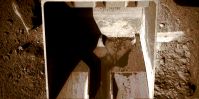
PHOE-SOL013-lg_3360.jpgEmpty "Scoop" and "Signs" of Humidity? - Sol 13 (Superdefinition + MULTISPECTRUM; credits: Dr M. Faccin & Lunexit)71 visitenessun commentoMareKromium
(1 voti)
|
|
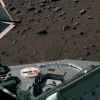
PHOE-SOL012-lg_3352-B.jpgThe Lander and the Surface - Sol 12 (MULTISPECTRUM; credits: Lunexit)119 visitenessun commentoMareKromium
(1 voti)
|
|
| 399 immagini su 34 pagina(e) |
 |
|
|
|
|
|
|
|
|
33 |
|








