| Piú votate - From Ashes to Eternity: the Phoenix Mars Mission |
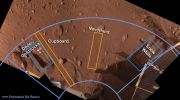
PHOE-SOL060-PIA11004.jpgPhoenix's Workspace - Sol 60 (True Colors; credits: NASA)63 visiteCaption NASA:"This image taken by NASA's PHoenix Mars Lander's Surface Stereo Imager shows the current trenches, labeled Dodo-Goldilocks and Snow White, and the areas identified for future digging, labeled Cupboard and Neverland".MareKromium
(8 voti)
|
|
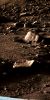
PHOE-SOL061-lg16201-16202-16203.jpgVastitas' Rocks - Sol 61 (Superdefinition and natural colors; credits: Dr G. Barca)63 visitenessun commentoMareKromium
(8 voti)
|
|
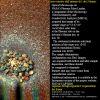
PHOE-SOL058-1.jpgThe "Colors" of Mars... - Sol 58 (natural colors; credits: Dr M. Faccin)63 visitenessun commentoMareKromium
(8 voti)
|
|
PHOE-SOL060-lg16033-16034-16035.jpgPhoenix and Surface - Sol 60 (Superdefinition and natural colors; credits: Dr G. Barca)63 visitenessun commentoMareKromium
(8 voti)
|
|

PHOE-SOL058-0.jpgThe "Colors" of Mars... - Sol 58 (natural but enhanced colors; credits: Dr M. Faccin)63 visiteEcco i "Colori di Marte" che la NASA non Vi farà vedere MAI...L'ultimo e splendido Lavoro del bravissimo Marco Faccin, per Lunar Explorer Italia.MareKromium
(8 voti)
|
|

PHOE-SOL058-GIF-lg15369-15371-15372-1.gifZooming on "Snow-White" - Sol 58 (GIF-Movie; credits: Dr G. Barca)63 visitenessun commentoMareKromium
(8 voti)
|
|
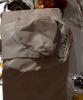
PHOE-SOL035-PIA10970.jpgProtective cover - Sol 35 (natural colors; credits: NASA)76 visiteThis color mosaic image of the Protective Cover of the lidar onboard NASA's Phoenix Mars Lander was taken by the Surface Stereo Imager (SSI) on Sol 35, or the 35th day of the mission, June 30, 2008. The lidar is part of the Canadian-built weather station, contributed to the mission by the Canadian Space Agency.
The SSI images are part of a panorama of the Lander's Deck and Instruments.MareKromium
(8 voti)
|
|
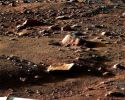
PHOE-SOL056-RGB.jpgMineral Diversity in Vastitas Borealis - Sol 56 (RGB Pure + MULTISPECTRUM; credits: Dr M. Faccin & Lunexit)63 visitenessun commentoMareKromium
(8 voti)
|
|
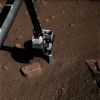
PHOE-SOL055-lg14553-14577-14614-1.jpgPhoenix Scoop Inverted Showing Rasp - Sol 55 (Superdefinition and natural colors + MULTISPECTRUM; credits: Dr Barca & Lunexit)63 visitenessun commentoMareKromium
(8 voti)
|
|
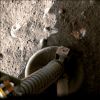
PHOE-SOL038-lg9714-9715-9716.jpgFrozen Landing Pad - Sol 38 (natural colors; credits: Dr G. Barca)62 visitenessun commentoMareKromium
(8 voti)
|
|
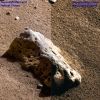
PHOE-SOL038-lg9776-9777-9779-2.jpgColor Techniques' Comparison - Sol 38 (credits: Dr G. Barca - Sx - and Lunexit - Dx)62 visitenessun commentoMareKromium
(8 voti)
|
|
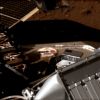
PHOE-SOL039-lg9875-9876-9877.jpgPhoenix Foreshortening - Sol 39 (natural colors; credits: Dr G. Barca)62 visitenessun commentoMareKromium
(8 voti)
|
|
| 399 immagini su 34 pagina(e) |
 |
3 | |
|
|
|
|
|
|
|
|








