| Piú votate - From Ashes to Eternity: the Phoenix Mars Mission |
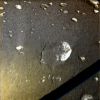
PHOE-SOL010-lg_3085.jpgA slight persistency of Green? - Sol 10 (Superdefinition + MULTISPECTRUM; credits: Dr Marco Faccin & Lunexit)64 visitenessun commentoMareKromium
(4 voti)
|
|
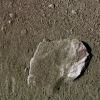
PHOE-SOL009-lg_2945-2947-2949.jpgFlat White-Rock - Sol 9 (True Colors; credits: Dr Gianluigi Barca)66 visitenessun commentoMareKromium
(4 voti)
|
|
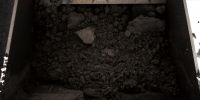
PHOE-SOL009-lg_2750-2751-2752.jpgOne "scoop" of Vastitas... - Sol 9 (True Colors; credits: Dr Gianluigi Barca)64 visitenessun commentoMareKromium
(4 voti)
|
|
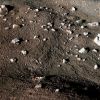
PHOE-SOL008-lg_2330-2331-2334.jpgThe soil of Vastitas Borealis - Sol 8 (Natural Colors + MULTISPECTRUM; credits: Dr Gianluigi Barca & Lunexit)64 visiteDue annotazioni: 1) come aveva già notato il nostro Caro Amico e Socio, Sig. Canobbio, sulla pianura dove Phoenix è scesa non si è ancora riusciti ad individuare alcun "Martian Berry", o "Frutto di Bosco Marziano".
Un fatto, questo, piuttosto curioso e che ci riporta alla nostra vecchia idea (che sarà pure "estrema" e "fantasiosa"...ma a noi piace!) secondo cui i "Martian Berries" non sono affatto "sferule di roccia" le quali sono il risultato di processi vulcanici ed eolici, bensì "fossili" di quelle che potevano essere delle Forme Vitali Indigene che abitavano l'Oceanus Meridiani (oggi: Meridiani Planum). Un Oceano Equatoriale, con clima e caratteristiche ben diverse dalla Regione Nordica di Vastitas. Pensateci sopra...
2) il nostro color processing fa "emergere" costantemente delle aree verdastre, le quali sembrano ricoperte di licheni di un qualche tipo. Aree verdastre che, nel color processing NASA, scompaiono (anzi: proprio non esistono!). Avete delle opinioni in merito?!?MareKromium
(4 voti)
|
|
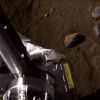
PHOE-SOL007-235099main_SS007EFF896838984_117F8RBM1-2-3.jpgPhoenix and the Landscape in True Colors! - Sol 7 (Superdefinition; credits: Dr Gianluigi Barca)65 visiteUn Lavoro FANTASTICO del Dr Barca: un Lavoro che non ha ASSOLUTAMENTE NULLA da invidiare alle elaborazioni NASA, anzi...Lasciatecelo dire: semmai è vero il contrario!MareKromium
(4 voti)
|
|
PHOE-SOL007-lg_1362-1363-1364.jpgFrost? Salt? Or just over-saturation?!? - Sol 7 (Superdefinition; credits: Dr G. Barca)64 visitenessun commentoMareKromium
(4 voti)
|
|

PHOE-SOL007-PIA10742.jpgICE!!!!! - Sol 7 (True Colors; credits: Dr Marco Faccin)67 visiteUna roccia? Noi, dopo aver esaminato l'immagine processata in Colori Veri (grazie al Dr Faccin), siamo dell'idea che questo sia Ghiaccio.
Un bel "blocco di ghiaccio d'acqua", di colorito bianco/azzurro.
Ed una piccola nota: Lunar Explorer Italia è la PRIMA Libera Associazione di Ricerca al Mondo che Vi presenta questi frames (probabilmente di valore Storico) in True Colors!
E scusateci se non è abbastanza...MareKromium
(4 voti)
|
|

PHOE-SOL005-PIA10741.jpgIce under Phoenix?!? - Sol 564 visiteCaption NASA:"The Robotic Arm Camera on NASA's Phoenix Mars Lander captured this image underneath the Lander on the fifth Martian Day, or Sol, of the mission. Descent thrusters on the bottom of the Lander are visible at the top of the image.
This view from the north side of the Lander toward the southern leg shows smooth surfaces cleared from overlying soil by the rocket exhaust during landing. One exposed edge of the underlying material was seen in Sol 4 images, but the newer image reveals a greater extent of it.
The abundance of excavated smooth and level surfaces adds evidence to a hypothesis that the underlying material is an ice table covered by a thin blanket of soil. The bright-looking surface material in the center, where the image is partly overexposed, may not be inherently brighter than the foreground material in shadow".MareKromium
(4 voti)
|
|

PHOE-SOL004-PIA10726.jpgDark Arctic Panorama (MULTISPECTRUM; credits: Lunexit)64 visiteNotizia dell'ultima ora: malfunzionamento di alcuni circuiti del Phoenix Lander. Il Sito NASA dedicato è, al momento, non raggiungibile.
Ricerca di "Interesse e Pathos" o "Problema Reale Grave"? Pubblicheremo le novità non appena possibile.
Caption NASA:"Typical view if you were standing on Mars and slowly turned around for a look. Starting at the North, SSI sees its shadow and turns its head viewing Solar Arrays, the Lander Deck and landscape. Note very few rocks on the hummocky terrain and network of troughs, typical of Polar Surfaces here on Earth".MareKromium
(4 voti)
|
|
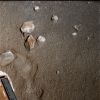
PHOE-SOL005-233915main_SS005EFF896647184_1170ER1M1-2-3.jpgSmall Rocks in a Greenish/Reddish Soil - Sol 5 (Superdefinition; credits: Dr G. Barca)65 visitenessun commentoMareKromium
(4 voti)
|
|
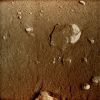
PHOE-SOL005-lg_1015.jpgSmall Rocks in a Greenish/Reddish Soil - Sol 5 (MULTISPECTRUM; credits: Lunexit)64 visitenessun commentoMareKromium
(4 voti)
|
|

PHOE-SOL003-lg_570.jpgThe soil of Vastitas Borealis - Sol 3 (Natural Colors + MULTISPECTRUM; credits: Lunexit)64 visitenessun commentoMareKromium
(4 voti)
|
|
| 399 immagini su 34 pagina(e) |
 |
|
|
|
|
27 | |
|
|
|
|








