| Piú votate - From Ashes to Eternity: the Phoenix Mars Mission |

PHOE-SOL038-2.jpgPossible "Audio Signals" from Vastitas Borealis - Sol 38 (credits: Dr M. Faccin)62 visitenessun commentoMareKromium
(6 voti)
|
|

PHOE-SOL038-3.jpgPossible "Audio Signals" from Vastitas Borealis - Sol 38 (credits: Dr M. Faccin)64 visitenessun commentoMareKromium
(6 voti)
|
|

PHOE-SOL037-lg9156-9158-9159.jpgColor Differences... - Sol 37 (credits: Dr M. Faccin & Lunexit)63 visiteAllora, che ne dite? Questo è, ad oggi, uno dei migliori additional color processing dei frames NASA Phoenix RAW ed il risultato, sia che l'Operatore sia il Dr Faccin, sia che si tratti del Dr Barca, è SEMPRE LO STESSO: EMERGONO DIFFERENZE (innumerevoli!) CROMATICHE nel Paesaggio il quale è tutt'altro che lo squallido arancio-rosato in Dominante Assoluta che invece viene proposto dalla NASA.
Chi avrà "visto giusto"?!? Ai Posteri l'Ardua Sentenza!...MareKromium
(6 voti)
|
|

PHOE-SOL032-lg8077-8078-8079_copia2.jpgThe "Trench" - Sol 32 (natural colors; credits: Dr G. Barca)62 visitenessun commentoMareKromium
(6 voti)
|
|

PHOE-SOL004-lg_923.jpgMartian "Gel" or "Liquid Water"? - Sol 4 (Superdefinition; credits: Dr M. Faccin)64 visitenessun commentoMareKromium
(6 voti)
|
|
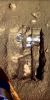
PHOE-SOL025-lg_6964.jpgWatch CAREFULLY! - Sol 25 (natural colors; credits: Dr M. Faccin)103 visiteAllora: osservate con ESTREMA ATTENZIONE i margini della (pseudo)macchia di ghiaccio rotondeggiante situata alla Vostra Sx. Il vero "clou" di tutta la questione - quale che sia il materiale che stiamo osservando - probabilmente è in quel dettaglio...MareKromium
(6 voti)
|
|
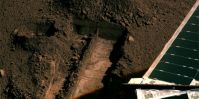
PHOE-SOL026-lg7166-7167-7168.jpgCheck inside the trench... - Sol 26 (natural colors; credits: Dr G. Barca)63 visitenessun commentoMareKromium
(6 voti)
|
|

PHOE-SOL022-lg5762-5764-5771.jpgSnow-White - Sol 22 (Superdefinition; credits: Dr G. Barca)63 visitenessun commentoMareKromium
(6 voti)
|
|
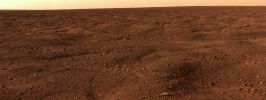
PHOE-SOL014-lg_4863.jpgVastitas Borealis - Sol 14 (credits: NASA/Univ. of Arizona)81 visiteL'immagine è suggestiva, la definizione è ottima (i "poligoni" ed i piccoli "canali" che caratterizzano questa Regione sono chiaramente distinguibili), ma - come sempre - non ci siamo proprio sui colori.
Ma state tranquilli: non Vi annoieremo raccontandoVi delle cose già dette mille volte. La "morale" è che Marte è il "Pianeta Rosso" nell'Immaginario Terrestre e quindi, anche se "n" evidenze ci dicono che la sua superficie presenta innumerevoli nuances e colorazioni diverse ed ulteriori alla dominante arancio/gialla, la NASA continua ad usare questo cliché.
E va bene: vuol dire che se "loro" continuano ad "alterare" Marte, noi continueremo a riportarlo alla sua "naturale ed autentica" bellezza (una bellezza che "contiene" il rosso e l'arancio, ma che certo non si esaurisce in essi).MareKromium
(6 voti)
|
|
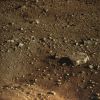
PHOE-SOL015-lg_4039.jpgThe Surface of Vastitas Borealis - Sol 15 (MULTISPECTRUM; credits: Lunexit)64 visitenessun commentoMareKromium
(6 voti)
|
|
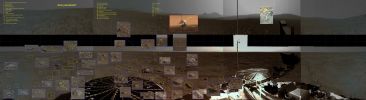
PHOE-SOL005-PIA10735-Comp.jpgHow about That!!! - Sol 5 (Photo-mosaic, by Carlo Contu)162 visiteIn tanti frangenti, qualche anno fa come adesso, ci veniva domandato "Ma come fate a cogliere i dettagli in un frame? Io guardo e non vedo nulla...". Beh, questa volta la risposta non sta "soffiando nel vento", come direbbe il Grande Bob Dylan, ma è davanti a Voi, in questo davvero bellissimo fotomosaico realizzato dal nostro Caro Amico, il sempre più bravo ed attento, Carlo Contu.
Vedete? Basta "saper osservare" e "sapere cosa cercare", che i motivi di interesse, o di studio, o di "intrigo", o di semplice curiosità vengono fuori come "funghi" (Ah! I "Funghi": un Tema Marziano ricorrente...).
Una curiosità (così ci togliamo anche un "sassolino" dalla scarpa...): ricordate il dettaglio argenteo che poi si è rivelato essere la Back-Shell di Phoenix? Ok: nel fotomosaico in oggetto, riusciamo a vederlo piuttosto bene...E riusciamo anche a vedere che esso non proietta nessuna ombra alla sua Dx (Sx di chi guarda): esso, semplicemente, dopo aver finito la sua corsa ed essere giunto al suolo, pare essersi coricato in posizione inclinata, oppure - forse - si è rovesciato e la "presunta" ombra, non è altro che una porzione della sua struttura la quale "non riceve" direttamente i raggi del Sole (almeno in questa configurazione).
Per identificare il dettaglio come "oggetto reale" e non come "image-artifact", avevamo impiegato 5 minuti; la problematica dell'ombra, poi ed a conti fatti, oltre ad essere irrilevante è pure errata: di ombre, in questo particolare, non ce sono; c'è solo una porzione del "Phoenix Hard-Ware" che giace (si trova) ombra (rectius: non è esposta al Sole) - il che è cosa alquanto diversa.
La presente precisazione è fatta a vantaggio di un individuo (tanto ignorante, quanto arrogante e maleducato) il quale saltuariamente frequenta il forum di NEXUS e che sembra avere una sola missione nella Vita: denigrare - villanamente, gratuitamente ed immotivatamente - il Lavoro svolto da Lunexit.
Chiusa la parentesi "amarognola", un GRANDISSIMO COMPLIMENTO a Carlo Contu ed a tutti coloro che FANNO Lunar Explorer Italia RAGIONANDO, LAVORANDO e COSTRUENDO (Gigi Barca, Marco Faccin, Lorenzo Leone e tantissimi altri, passati e presenti).
E ricordate questa simpatica definizione: "Critico è colui che, non avendo alcun talento proprio, passa la sua esistenza questionando il Talento altrui". MareKromium
(6 voti)
|
|

PHOE-SOL013-lg_3450.jpgOxidation, Evaporation or Sublimation? - Sol 13 (Superdefinition; credits: Dr M. Faccin)63 visiteCurioso...La Macchia Bianca, che nei giorni scorsi ci ha tanto intrigato, ora sembra essere diventata una "chiazza nera", per altro assai ben definita.
Questo cambiamento sarà attribuibile ad un errore umano (un errore nostro, nella fattispecie) occorso durante l'additional processing, oppure è stato proprio il nostro additional processing ad aver messo, di fatto, in luce un comportamento "curioso" da parte di un elemento che, sintanto che era confinato nel sottosuolo di Marte, aveva determinate caratteristiche (exx: di colore e consistenza) e che poi, una volta portato alla luce (e messo a contatto con la "difficile" atmosfera del Pianeta), è "mutato"?
E se fosse stato effettivamente del ghiaccio, la "chiazza scura" che vediamo adesso che cosa dovrebbe rappresentare?
Forse il residuo di una evaporazione o di una sublimazione?
E se invece si trattasse di una ossidazione? "Che cosa" si sarebbe potuto ossidare?...
Domande, domande, domande...MareKromium
(6 voti)
|
|
| 399 immagini su 34 pagina(e) |
 |
|
|
|
|
15 | |
|
|
|
|








