| Piú votate - Mars in JPEG2000 |

ESP_019997_1975_RED_abrowse-02.jpgCollapse Pit (Natural Colors; credits for the additional process. and color.: Dr Paolo C. Fienga - Lunexit Team)140 visitenessun commentoMareKromium
(5 voti)
|
|

ESP_019197_2290_RED_abrowse-05.jpgSecondary Crater (EDM n.1 - additional process. by Drr Gianluigi Barca and Paolo C. Fienga - Lunexit Team)85 visitenessun commentoMareKromium
(5 voti)
|
|

ESP_019197_2290_RED_abrowse-06.jpgSecondary Crater (EDM n.2 - additional process. by Drr Gianluigi Barca and Paolo C. Fienga - Lunexit Team)97 visitenessun commentoMareKromium
(5 voti)
|
|

PSP_004026_1765-2-GB-PCF-LXTT.jpgVery strange "Dark Spot" in Aureum Chaos (Original JP2 b/w; credits for the addituional process.: Dr Gianluigi Barca - Lunexit Team)129 visitenessun commentoMareKromium
(5 voti)
|
|

PSP_004026_1765-8-GB-PCF-LXTT.jpgVery strange "Dark Spot" in Aureum Chaos (Absolute Natural Colors; credits for the addituional process. and color.: Drr Gianluigi Barca and Paolo C. Fienga - Lunexit Team)107 visitenessun commentoMareKromium
(5 voti)
|
|

PSP_003234_2210_RED-MF-PCF-LXTT8.jpgAs Time Goes By... (an Image-Mosaic by Riccardo Giuliani and Paolo C. Fienga - Lunexit Team)141 visiteQuando si parla della "Face on Mars" si rischia sempre di dire delle sciocchezze oppure di scontentare qualcuno. Il motivo? E' presto detto: se si opta, anche solo blandamente, per l'idea e le tesi del Dr Richard Hoagland, allora si viene bollati per stupidi ed incompetenti (se non addirittura per "complottisti", ossìa "individui che agiscono in malafede"); se invece si ritiene e definisce la (comunque controversa) configurazione superficiale di Cydonia come un "prodotto della Natura" (una "butte", insomma, o "collina a ceppo" - come ne abbiamo anche sulla Terra), ecco che si viene subito eticchettati come "miopi" e "chiusi" (oppure - magari - come "complottisti alla rovescia", ossìa individui che sostengono le posizioni della Scienza "Ufficiale" e della NASA "a prescindere" e comunque in malafede - ergo anche quando esse investono tematiche aventi una natura oltremodo complessa, dai contorni non nitidi e comunque - e se non altro per il momento - indefinibile).
La posizione "Ufficiale" di Lunexit la conoscete, ma Ve la ripetiamo (a scanso di equivoci): secondo noi (fatto comunque salvo qualche blando dissidio "interno" - nel senso che il Gruppo Lunexit non è/non si trova, su questo Tema, unanimemente d'accordo), la Sfinge di Cydonia è un RILIEVO NATURALE e quanto sostenuto - da quasi trentacinque anni a questa parte - dal Dr Hoagland è (sostanzialmente) il prodotto di una STRATEGIA COMMERCIALE.
Ciò premesso, a noi fa sempre piacere osservare e riprendere, nel tempo, dei Temi particolarmente cari ai nostri Lettori e quindi, traendo spunto dalle riflessioni operate dal nostro Amico e Partner, Riccardo Giuliani, ecco che Vi proponiamo questo mini-collage che ci mostra l'ENORME DIFFERENZA (in termini di puro "Impatto Visivo") che esiste tra i frames originali Viking Orbiter One ed un frame Mars Reconnaissance Orbiter.
La domanda che ci si pone, ora, è semplice: questa ENORME DIFFERENZA è REALE (ossìa "fisicamente", in circa 35 anni, la "Face on Mars" è cambiata in maniera radicale) oppure NON lo è (il che significa che la differenza percepita è frutto - inter alia - della diversa qualità - soprattutto ma non solo - dei frames Viking rispetto ai frames MRO)?
Allora: secondo noi questa problematica, in fondo (e viste le sue implicazioni ed i suoi risvolti) non la si può - semplicemente - esaurire attraverso Logiche prettamente e/od esclusivamente Tecniche.
Questo vuol dire che ogni riferimento fatto per spiegare la diversità di "Impatto Visivo" tra i frames Viking One ed i frames MRO (o anche MGS, Odyssey e Mars Express, se volete) il quale trovi le sue radici in elementi quali: la diversità di altezza rispetto al suolo esistente fra le diverse riprese, i differenti Angoli di Incidenza Solare (ergo le - profondamente - diverse Geometrie di Illuminazione), la diversa "qualità" delle ottiche adottate et sim. è un riferimento CORRETTO e RAZIONALE MA INSUFFICIENTE (a nostro parere) PER SPIEGARE LA RADICALE DIVERSITA' ESISTENTE TRA LA FACE ON MARS così come fu riresa dal Viking Orbiter One rispetto al medesimo rilievo ripreso dalle Sonde MGS, MRO, Odyssey e Mars Express, QUALORA LE CONDIZIONI GEODINAMICHE di Marte sìano effettivamente quelle ormai canonizzate dalle Scienze (Planetarie) Convenzionali.
ATTENZIONE: qui non stiamo "accusando" la NASA di aver manipolato i dati disponibili (come invece fa Hoagland da almeno tre decenni)! Stiamo solo dicendo che esiste una diversità talmente grande tra la "Face " del 1976 e quella dei nostri giorni (diciamo la Face ripresa soprattutto dalle Sonde MGS ed MRO) che l'eventualità per cui possa essere effettivamente avvenuto un sostanziale mutamento "fisico" del rilievo negli ultimi 35 anni, NON PUO' ESSERE ESCLUSA A-PRIORI.
Questo approccio, ovviamente, non vale a riconoscere alla "Face" una Matrice Artificiale, ma serve a riprendere e rivalutare, con maggiore apertura - ma sempre con cautela ed attenzione - le dinamiche atmosferiche e geologiche Marziane le quali, a nostro avviso, potrebbero essere BEN DIVERSE (nel senso di MAGGIORMENTE ATTIVE) da quanto sino ad oggi ipotizzato e/o comunemente ritenuto.
Che poi la "Sfinge di Cydonia" è e rimarrà - chissà ancora per quanto tempo - un "Pilastro" nell'Immaginario Collettivo che vuole Marte come un Pianeta un tempo abitato da Creature Umanoidi, è un fatto sul quale riteniamo che nè la NASA, nè nessun'altra Istituzione Scientifica più o meno famosa ed accreditata (Lunexit inclusa) potrà giungere a mettere la parola "fine" sintanto che non verranno mandati degli Uomini sul Pianeta Rosso e quindi non verrà messa l'Umanità intera, tramite quegli Uomini, in condizioni di "verficare direttamente e personalmente".
Per concludere: se vogliamo restare razionali, allora diciamo che, usando quale riferimento per le nostre riflessioni le Scienze Planetarie, i dati da considerare ai fini dell'effettuazione di un'analisi comparativa sono - nel caso di specie - dei "dati fisici" e noi abbiamo ritenuto di individuarli in un paio di crateri che, evidenziati dal bravo Riccardo Giuliani nei frames Viking, abbiamo poi identificato anche nel frame MRO.
Anche i bordi della collina - nonostante le differenti Geometrie di Illuminazione sussistenti tra i diversi frames - mostrano l'esistenza di segni di profonda coerenza e questo fatto vuol dire, in parole poverissime, che il rilievo ripreso dal Viking One nel 1976 e quello ripreso dalla Sonda MRO nel 2009 e nel 2010, è ASSOLUTAMENTE LO STESSO.
Ma che altri dettagli superficiali, sebbene sfuocati e sgranati (ma comunque isolabili ed identificabili) nei frames Viking SEMBRANO NON TROVARE CORRISPONDENZA (soprattutto) nei frames MGS ed MRO, è pure un fatto da considerare e da valutare.
Ma NON (e così ripetiamo e chiudiamo il discorso) per giungere a dimostrare l'indimostrabile, e cioè che la "Face on Mars" è un manufatto; bensì per provare a dimostrare un dato che - secondo noi - è da tempo evidente, e cioè che l'Ambiente Marziano è ancora (in parte) DINAMICO. I profili cambiano, e con essi cambia l'apparenza dei luoghi e di tutto quanto li compone e contraddistingue.
Se le speculazioni e le teorizzazioni (anche le più azzardate) del Dr Hoagland si fossero fermate a sancire questo dato, tanto razionale quanto evidente, tutti noi avremmo avuto un sincero e concreto rispetto per il suo lavoro.
Ma quando la speculazione scientifica diventa un semplice strumento per ingrassare le proprie tasche, creando nel contempo disinformazione ed ignoranza (Dio ci salvi, che ce n'è già troppa in giro!), allora bisogna avere anche il coraggio di dire "no, non va bene".
Un Grazie di Cuore a Riccardo Giuliani per lo spunto e per le immagini; un Grazie a Voi, se avete letto tutto sino alla fine...MareKromium
(5 voti)
|
|
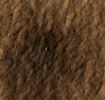
ESP_018273_2245_RED_abrowse-04-MF-LXTT.jpgExposed Ice in Fresh Crater (Natural Colors; credits for the additional process. and color.: Dr Marco Faccin - Lunexit Team)84 visitenessun commentoMareKromium
(5 voti)
|
|

PSP_002922_1725-PCF-GB-LXTT1.jpgUnusual Surface Feature on Arsia Mons' Flank (Natural Colors; credits for the additional process. and color.: Drr Gianluigi Barca & Paolo C. Fienga)88 visitenessun commentoMareKromium
(5 voti)
|
|

PSP_003234_2210_RED-MF-PCF-LXTT5.jpgThe "Face on Mars" as you've never seen it before! (RAW b/w; credits for the additional process.: Dr Marco Faccin - Lunexit Team)97 visitePer le versioni in Full-Screen della "Sfinge di Cydonia Mensae" - a.k.a.: "The Face On Mars" -, visitate il Sito "Lunexit su Flickr" (http://www.flickr.com/photos/lunexit/).MareKromium
(5 voti)
|
|

PSP_003234_2210_RED-MF-PCF-LXTT6.jpgThe "Face on Mars" as you've never seen it before! (Natural Colors; credits for the additional process. and color.: Drr Marco Faccin & Paolo C. Fienga - Lunexit Team)89 visitePer le versioni in Full-Screen della "Sfinge di Cydonia Mensae" - a.k.a.: "The Face On Mars" -, visitate il Sito "Lunexit su Flickr" (http://www.flickr.com/photos/lunexit/).MareKromium
(5 voti)
|
|

PSP_003234_2210_RED-MF-PCF-LXTT4.jpgThe "Face on Mars" as you've never seen it before! (Natural Colors; credits for the additional process. and color.: Drr Marco Faccin & Paolo C. Fienga - Lunexit Team)89 visitePer le versioni in Full-Screen della "Sfinge di Cydonia Mensae" - a.k.a.: "The Face On Mars" -, visitate il Sito "Lunexit su Flickr" (http://www.flickr.com/photos/lunexit/).MareKromium
(5 voti)
|
|

PSP_003234_2210_RED-MF-PCF-LXTT2.jpgThe "Face on Mars" as you've never seen it before! (Natural Colors; credits for the additional process. and color.: Drr Marco Faccin & Paolo C. Fienga - Lunexit Team)89 visitePer le versioni in Full-Screen della "Sfinge di Cydonia Mensae" - a.k.a.: "The Face On Mars" -, visitate il Sito "Lunexit su Flickr" (http://www.flickr.com/photos/lunexit/).MareKromium
(5 voti)
|
|
| 199 immagini su 17 pagina(e) |
 |
|
|
|
|
10 | |
|
|
|
|








