| Piú votate - After One-Thousand Soles... |

OPP-SOL1570-1P267568929ESF90B0P2265R2M1.jpgVictoria's Rocks - Sol 1570 (MULTISPECTRUM; credits: Lunexit)72 visitenessun commentoMareKromium
(9 voti)
|
|

OPP-SOL1559-1N266591080EFF9000P0632L0M1-1.jpgDark Days over Victoria... - Sol 1559 (1 - natural colors; credits: Lunexit)65 visitenessun commentoMareKromium
(9 voti)
|
|

OPP-SOL1559-1N266591168EFF9000P0632L0M1-1.jpgDark Days over Victoria... - Sol 1559 (2 - natural colors; credits: Lunexit)66 visitenessun commentoMareKromium
(9 voti)
|
|
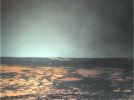
OPP-SOL1506-Pancam-1.jpgMars in 16:9: Meridiani Planum - Victoria vicinities (processed by Dr M. Faccin + MULTISPECTRUM by Lunexit)71 visitenessun commentoMareKromium
(9 voti)
|
|
OPP-SOL1429-PIA10239-1.jpgOpportunity View of 'Gilbert' Layer (True Colors - credits: Lunexit)64 visitenessun commentoMareKromium
(9 voti)
|
|
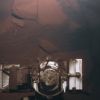
OPP-SOL1354-1P248384257ESF8788P2538L7M1.jpgObservations... (natural colors; elab. Lunexit)70 visitenessun commentoMareKromium
(9 voti)
|
|
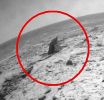
SOL1362-2R247280003EFFAW38P1301L0M1-3.jpgThe "Martian Tepee" (extra-detail mgnf) - Sol 136287 visiteCha altro aggiungere? Abbiamo davanti - come questo extra-detail mgnf dimostra chiaramente - un rilievo semplicemente incredibile il quale sembra davvero essere costituito da una struttura laminare, piatta e (apparentemente) "lavorata" sui lati, la quale si appoggia ad un'altra struttura laminare che giace - riteniamo - parzialmente sepolta.
Sarà un (ennesimo) "Scherzo della Natura"? O una nuova "Svista"? O forse è davvero una sorta di Manufatto?...
Noi diciamo solo - per ora - "Complimenti al Dr Barca per il fantastico ritrovamento"!
Ed ora aspettiamo le mosse degli Amici di Pasadena e vediamo se daranno modo al Rover di avvicinarsi a questo rilievo che ci sentiamo di eleggere al rango di "Anomalìa di Superficie".
Solo avvicinandoci, infatti, forse riusciremo a capire "che cosa" stiamo realmente guardando...MareKromium
(9 voti)
|
|
OPP-SOL1196-1P234361337EFF8400P2629L5M1.jpgEarly morning's horizon (1) - Sol 119664 visitenessun commentoMareKromium
(9 voti)
|
|
OPP-SOL1196-1P234361359EFF8400P2629L6M1.jpgEarly morning's horizon (2) - Sol 119663 visitenessun commentoMareKromium
(9 voti)
|
|
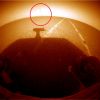
OPP-SOL1196-1F234369336EFF84GZP1212R0M1-1.jpgDark "Streak" (context image) - Sol119663 visiteNella Cerchiatura Rossa ci appare, come ben segnalatoci dal Dr Gianluigi Barca (che ringraziamo per la costante attenzione e dedizione), un "dark streak" (o "striscia di colore scuro") la cui natura è davvero difficile - se non impossibile - da definire.
Le nostre ipotesi le troverete nel frame che segue. MareKromium
(9 voti)
|
|
SOL1155-2N228912303ESFAS__P1561L0M1.jpgBeyond the Visible Horizon (1) - Sol 115562 visitenessun commento
(9 voti)
|
|
SOL1135-2N227121982EDNASY4P1558L0M1.jpgBright Sun, Dark Sky (1) - Sol 113564 visitenessun commento
(9 voti)
|
|
| 2387 immagini su 199 pagina(e) |
 |
|
|
|
|
8 | |
|
|
|
|





