| Piú viste - SOLAR SYSTEM |
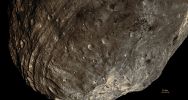
065-Vesta-PIA14322-PCF-LXTT.jpgThe South Pole of 4-Vesta (Enhanced Natural Colors; credits for the additional process. and color.: Dr Paolo C. Fienga - Lunar Explorer Italia) 197 visitenessun commentoMareKromium
|
|
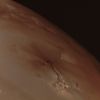
Io-PIA02232-PCF-LXTT.jpgIo's Limb (Absolute Natural Colors; credits for the additional process. and color.: Dr Paolo C. Fienga - Lunar Explorer Italia)197 visitenessun commentoMareKromium
|
|
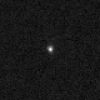
Sedna-04.jpgSedna from the Hubble Space Telescope (2) - detail196 visiteNon sappiamo nulla circa la composizione di Sedna, ma l'ipotesi che sostiene si tratti, in fondo, di semplice ghiaccio e roccia, non appare corretta. Ciò che sappiamo per certo, invece, è che Sedna possiede una superficie di colore rosso intenso, forse simile al cinabro.
Un altro dato curioso che riguarda Sedna è il suo periodo di rivoluzione, il quale si compie ogni 40 giorni. Un periodo, dunque, lunghissimo, ove rapportato a quello degli altri Corpi Celesti "Solitari" presenti nel nostro Sistema Solare (comete ed asteroidi in particolare).
|
|

Olympus Mons.jpgThe Olympus Mons and the Great Ocean of Mars195 visiteUna splendida visione artistica di Marte (reperita sul Sito "The Enterprise Mission" - laddove essa funge da visual introduction" per un articolo redatto dal Collega Mike Bara) nel tempo - remoto? - in cui un Oceano "liquido" occupava buona parte delle sue aree equatoriali. Si tratta di un'Opera, a nostro parere, davvero molto bella e di grande impatto visivo.
Per quanto riguarda l'articolo di Mr Bara, preferiamo evitare ogni commento ed invitarVi a leggerlo direttamente e quindi a maturare le Vostre convinzioni in completa autonomia e senza 'imbeccate'...
|
|

Saturn-N00063521-04.jpgSaturnian "Shooting Star" and a Shooting Star from Earth195 visiteIl raffronto fra queste immagini ci sembra una prova sufficiente per poter rivendicare, come Lunar Explorer Italia - e diremmo definitivamente - la paternità di questa piccola (ma, secondo noi, splendida e significativa) scoperta: la prima Stella Cadente colta nello spazio di un mondo diverso dalla Terra!
Peccato che la NASA non abbia niente da dire...
|
|

088-Craters-Unnamed_Crater-PIA15044-PCF-LXTT-1.jpgUnnamed Crater in Floronia Quadrant (Absolute Natural Colors; credits for the additional process. and color.: Dr Paolo C. Fienga - Lunexit Team)195 visiteThis Dawn FC (framing camera) image is dominated by an approx. 20 Km-wide, young, fresh Unnamed Impact Crater. Surrounding this Unnamed Crater is its Ejecta Blanket, which is a covering of small particles that were thrown out during the impact that formed it and the Ejecta Blanket is the cause of the smooth Surface visible all around the Crater itself. This Ejecta Blanket buried many older, degraded craters, but some of them can be seen poking through the Blanket. Old and degraded craters are less clear or not visible directly next to the Unnamed Crater dominating the frame and this suggests that its Ejecta Blanket is very thick and fit to bury almost all the other (relatively small) impact craters located next to the bigger one.
There are also several distinctive Chains of small Craters running obliquely across the image on top of the Ejecta Blanket. They were not buried by the Ejecta Blanket and this means that they must be younger than it. These Crater Chains likely formed due to Secondary Impacts, when material thrown out of previous impacts re-impacted Vesta. Similarly, material ejected from the Unnamed approx. 20 Km-wide Crater has fallen back into the Crater itself and created several Pit-like features on its Floor.
This image is in Vesta's Floronia Quadrangle and the center latitude and longitude of the image is 32,5° North and 1,2° East. NASA's Dawn Spacecraft obtained this image with its framing camera on October 24th, 2011. This image was taken through the camera's clear filter. The distance to the Surface of 4-Vesta is 662 Km and the image has a resolution of about 62 meters per pixel. This image was acquired during the HAMO (High Altitude Mapping Orbit) phase of the mission.MareKromium
|
|
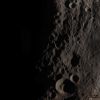
074-Vesta-PIA14776.jpgNight and Day on 4-Vesta (Absolute Natural Colors; credits for the additional process. and color.: Dr Paolo C. Fienga - Lunexit Team)193 visitenessun commentoMareKromium
|
|
Titan-IMG001935-PCF-LXTT.jpgTitan during Fly-By n. 9 (Absolute Natural Colors; credits for the additional process. and color.: Dr Paolo C. Fienga - Lunexit Team)193 visiteOriginal NASA caption:"This image was taken on December 26, 2005 and received on Earth December 27, 2005. The camera was pointing toward TITAN that, at the time, was approximately 57.509 Km (about 35.734 miles) away.
This image was taken using the CB3 and CL2 filters and has not been validated or calibrated".MareKromium
|
|

ZZ-ZZ-ZZ-ZZ-ZZ-ZZ-ZZ-ZZ-ZZ-ZZ-ZZ-ZZ-APOLLO 12 AS 12-46-6764 HR.jpgAS 12-46-6774 (HR) - Lunar Cube192 visiteLo abbiamo già fatto in passato, ma mai abbiamo provato a proporre un lavoro articolato come quello che adesso stiamo provando ad iniziare.
E' con questo frame Apollo 12, infatti (un frame selezionato assieme a tantissimi altri dal nostro Ricercatore Esterno, Dr Gianluigi Barca),. che cercheremo di gettare un pizzico di luce (e, speriamo, di interesse) su una serie di "cose strane" che vennero immortalate durante gli Apollo Days.
Rocce lunari bizzarre, luci colorate nel cielo lunare, photoartifacts e vere e proprie Anomalìe sono l'oggetto di questa piccola (ma bellissima) Ricerca che siamo felici di presentarVi. Il lavoro di selezione dei frames e di evidenziazione dei possibili "clou" è stato svolto, in piena autonomia e con ottimi risultati, dal Dr Barca. Le analisi delle immagini (laddove è stato possibile svolgerle) sono state fatte dallo Staff di Lunar Explorer Italia.
In questo frame: ma chi ha detto che le rocce squadrate (in generale) e cubiche (in particolare) sono una prerogativa di Marte?!?
|
|

ZZ-ZZ-ZZ-ZZ-ZZ-ZZ-ZZ-ZZ-ZZ-ZZ-ZZ-ZZ-APOLLO 17 AS 17-137-20957 HR.jpgAS 17-137-20957 (HR) - Strange Lunar Rocks192 visitenessun commento
|
|
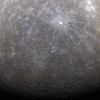
ZZ-Mercury-Z1.jpgThe "Face" of Mercury (Natural Colors; credits for the additional process. and color.: NASA/JHU APL/CIW)192 visiteCaption NASA:"On March 17, 2011, the MESSENGER Spacecraft became the first to orbit Mercury, the Solar System's Innermost Planet. This is its first processed color image since entering Mercury orbit. Larger, denser, and with almost twice the Surface Gravity of Earth's moon, Mercury still looks moon-like at first glance.
But in this view its Terrain shows light blue and brown areas near Craters and long bright rays of material streaking the Surface. The prominent bright ray crater Debussy at the upper right is approx. 80 Km (49,68 miles) in diameter. Terrain toward the bottom of the historic image extends to Mercury's South Pole and includes a region not previously imaged from Space".MareKromium
|
|

Jupiter-PIA22948.jpgJupiter Abyss...192 visiteCaption NASA Originale:"NASA's Juno spacecraft captured this view of an area within a Jovian jet stream showing a vortex that has an intensely dark center. Nearby, other features display bright, high altitude clouds that have puffed up into the sunlight.
The color-enhanced image was taken at 12:55 a.m. PDT (3:55 a.m. EDT) on May 29, 2019, as the spacecraft performed its 20th science fly-by of Jupiter. At the time, Juno was about 9.200 miles (approx. 14.805,96 Km) from the Planet's cloud tops, above approximately 52° North Latitude.
Citizen scientists Gerald Eichstädt and Seán Doran created and named this image using data from the spacecraft's JunoCam imager".MareKromium
|
|
| 4548 immagini su 379 pagina(e) |
 |
|
|
|
|
15 | |
|
|
|
|





