| Piú viste - MARS |

SOL443-2P165682309EFFA978P2390R1M1.jpgDifferent "layers" of different - distant - hills58 visiteIn pratica si tratta solo del primo tassello di una breve serie panoramica dei rilievi situati a media distanza dal Rover (80/120 mt), durante il Sol 443 di Spirit.
Tuttavia, se osservate con attenzione il lato dell'immagine alla Vostra Sx, noterete che i profili delle colline più lontane ed immerse nella nebbia, non sono 2 - come potrebbe sembrare ad un Osservatore distratto -, bensì 3.
Ed il terzo profilo, quasi completamente immerso nella foschia, ci lascia intuire una formazione montuosa piuttosto significativa (diremmo addirittura imponente): è il bordo (rim) di Gusev Crater.
|
|
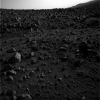
SOL445-2N165882802EFFA9B0P1705L0M1.jpgA huge "heap", near Husband's top (3)58 visiteE' la NASA stessa a spiegarci che:"...On the new terrain that Spirit has reached, the Rover slipped 45% on an 11° slope. In the past, when Spirit was on an 11° slope, the Rover did not slip as much, but this terrain is much sandier than previous terrain Spirit has driven on. The Rover used to have a slip limit at 40%, so the Rover would automatically shut off if it slipped that much. The Rover team increased the allowable slippage to 60% in order to enable the Rover to progress and move forward...".
|
|

OPP-SOL424-1N165824936EFF52GYP1607R0M1.jpgSurroundings and panorama of Voyager Crater (8)58 visiteSebbene sia ormai lontano, possiamo ancora vedere le rocce chiare che caratterizzano il bordo del Viking Crater. Opportunity si fermerà nei pressi del Voyager Crater per 2 o 3 Soles in modo tale da aver il tempo di "ricaricarsi" e scattare qualche immagine di questo piccolo ma interessante rilievo.
Svolte queste attività, Opportunity inizierà una lunga marcia di avvicinamento al Cratere Erebus (un "gigante", rispetto a Viking e Voyager ma soltanto un "piccoletto" in confronto al Victoria Crater...) il quale, forse, ci riserverà nuove sorprese...
|
|

OPP-SOL428-1N166182854EFF52IGP0703L0M1.jpgOn the way to Erebus Crater (3)58 visitenessun commento
|
|
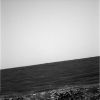
OPP-SOL427-1P166084692EFF52GYP2663L4M1.jpgThe limb of Voyager Crater - Sol 42758 visitenessun commento
|
|

SOL443-2P165696184ESFA978P2540R7M1.jpgSamples of "Mars Rocks" - Sol 443 (2)58 visitenessun commento
|
|

OPP-SOL101-1P137171446EFF2019P2680R5M1.jpgSunset on Mars: the whole sequence (6)58 visitenessun commento
|
|

OPP-SOL101-1P137171510EFF2019P2680L4M1.jpgSunset on Mars: the whole sequence (8)58 visitenessun commento
|
|
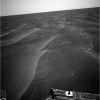
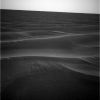
OPP-SOL431-1N166445807EFF5300P0703L0M1.jpgPanorama - Sol 431 (2)58 visiteLa risposta, a sentire gli Esperti NASA, è nei venti i quali, a parere di costoro, sono in grado di modellare e rimodellare il paesaggio Marziano a piacimento. Che il vento possa modellare la sabbia (a condizione che si tratti di sabbia fine ed asciutta) a noi sembra evidente; il problema, però, è che le evidenze fotografiche che possediamo - le quali, sebbene costituiscano una 'evidenza debole', sono pur sempre una 'evidenza'... - ci mostrano una sabbia Marziana che non sembra nè fine, nè asciutta e, dunque, non modellabile dal vento, per forte che esso possa essere. Comunque non modellabile, date le nostre conoscenze ed i nostri modelli, nel modo in cui appare dalle immagini.
Non ci credete? E allora andate a vedere i frames 5 e 6 di questa panoramica...
|
|
OPP-SOL431-1N166446028EFF5300P1893L0M1.jpgPanorama - Sol 431 (4)58 visitenessun commento
|
|
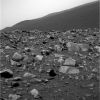
SOL453-2P166581844EFFA9BGP2401R1M1.jpgStrange rocks on Sol 453 (6)58 visitenessun commento
|
|
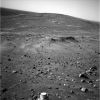
SOL453-2N166584875EFFA9BGP1795R0M1.jpgPanorama - Sol 453 (6)58 visitenessun commento
|
|
| 13513 immagini su 1127 pagina(e) |
 |
|
|
|
|
1112 | |
|
|
|
|





