| Piú viste - Mars Reconnaissance Orbiter (MRO) |

ESP_014351_1995_RED_abrowse.jpgSanta Fé Crater (Natural Colors; credits: Lunexit)60 visitenessun commentoMareKromium
|
|
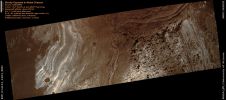
ESP_014141_1665_RED_abrowse.jpgPossible Blocky Deposits in Melas Chasma (Natural Colors; credits: Lunexit)60 visitenessun commentoMareKromium
|
|

ESP_014418_1790_RED_abrowse.jpgHebes Chasma (Natural Colors; credits: Lunexit)60 visitenessun commentoMareKromium
|
|

ESP_014380_1775_RED_abrowse-03.jpgExtremely Unusually-looking Skylight (SuperEDM n.3 - credits: Dr G. Barca)60 visitenessun commentoMareKromium
|
|
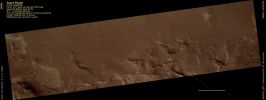
ESP_014404_1275-GB-LXT-00.jpgArgyre Planitia (Natural Colors; credits: Lunexit)60 visitenessun commentoMareKromium
|
|

ESP_014404_1275-GB-LXT-04.jpgExtremely Unusual Surface Feature in Argyre Planitia (Natural Colors - SuperEDM n.3 - credits: Dr G. Barca & Lunexit)60 visiteA nostro parere, grazie a quest'ultimo EDM (ottenuto dal nostro grande Amico e Partner, Dr G. Barca), la natura della Surface Feature può essere accertata con un elevatissimo margine di sicurezza: si tratta della traccia di un impatto (sui generis).
Un impatto recentissimo, il quale ha visto la disintegrazione (probabilmente l'esplosione) del bolide negli immediati pressi del suolo (il che significa, in altre parole, che l'impatto, si, c'è stato, ma solo fra i detriti derivati dall'esplosione - con traccia della fiammata al suolo - ma SENZA una collisione vera e propria tra il bolide - che doveva essere piccolo e leggero - e la superficie).
Secondo noi, il "mistero" è risolto. Ma se Voi aveste opinioni in merito...scrivete!MareKromium
|
|

ESP_014404_1275-GB-LXT-01.jpgExtremely Unusual Surface Feature in Argyre Planitia (Natural Colors - SuperEDM n.1 - credits: Dr G. Barca & Lunexit)60 visitenessun commentoMareKromium
|
|

ESP_014380_1775_RED_abrowse-09.jpgExtremely Unusually-looking Skylight (EDM - Natural Colors - credits: Dr G. Barca & Lunexit)60 visitenessun commentoMareKromium
|
|
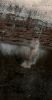
PSP_007338_2640-Frana2.jpgCaught in the Act: Martian Landslides (Natural Colors; credits: NASA & Lunexit)60 visitenessun commentoMareKromium
|
|
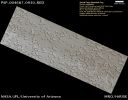
PSP_004687_0930_RED_abrowse.jpgSouth Polar Residual Cap Monitoring (Natural Colors; credits: Lunexit)60 visiteAs on Earth, the seasonal frost caps of Mars grow and recede each year. But seasonal frost on Mars is composed of Carbon Dioxide Ice (also known as Dry Ice), not water ice as on our Planet.
Near the South Pole of Mars, the seasonal CO2 frost never completely disappears, leaving a residual ice cap of CO2 ice throughout the Summer. This HiRISE image shows part of the South Polar Residual Cap, with many shallow Pits dubbed "Swiss Cheese Terrain". Because the Sun is always low in the sky at this latitude, the steep walls of the Pits receive more solar energy than the high-standing, flat areas between the Pits.
This causes the walls of the Pits to retreat several meters per year as Sunlight causes the CO2 ice to evaporate directly to gas, a process called "sublimation".
In some depressions, ridges or blocks of material a couple of meters (several feet) across are visible at the base of the depression walls, likely fallen from the walls during the sublimation and retreat process. At this rate, the layer of Carbon Dioxide ice could completely disappear in about 100 years from now, if not replenished.
Nota Lunexit: interessanti annotazioni. Peccato che la maggiore implicazione da esse derivante (quote: "...lo strato di CO2 che ricopre la Regione Sud Polare di Marte SCOMPARIRA' entro 100 anni da oggi, se non reintegrato...") non è stata minimamente toccata.
Stile NASA, of course. Nihil sub Sole novi, quindi...MareKromium
|
|

ESP_014417_1975_RED_abrowse-00.jpgChrise Planitia (Natural Colors; credits: Lunexit)60 visitenessun commentoMareKromium
|
|

ESP_013533_2170_RED_abrowse.jpgUnnamed Crater with Gullies (Natural Colors; credits: Lunexit)60 visitenessun commentoMareKromium
|
|
| 2237 immagini su 187 pagina(e) |
 |
|
|
|
|
125 | |
|
|
|
|





