| Piú viste - The Soviet "Mars Programme" |

Phobos2-C_Fobos_04.jpgPhobos, from Phobos-2 (4)120 visiteCome dicevamo in precedenza, le immagini (tutte le immagini, ma in modo particolare quelle super-processate) sono/possono essere ora più ed ora meno ingannevoli.
Questi frames, a nostro parere, lo sono.
Tuttavia, sebbene questa sequenza (un frame, in particolare, che Vi indicheremo) sia passata alla Storia grazie ad una molto probabile (ed imbarazzante) "svista ufologica", è ben possibile che di motivi - forse più validi - per restituirle una profonda dignità ce ne siano.
Noi Vi diciamo questo: il profilo di Phobos che emerge in questi frames è chiaro e familiare.
Ma provate anche a metterlo a confronto con altri frames ottenuti dalla Sonda MGS: vedete più somiglianze o più diversità? E qualora vedeste più diversità, provate a chiederVi che cosa sia potuto succedere a questa Luna nel breve volgere di pochi anni.
Eventi interni? Ne dubitiamo.
Eventi esterni (nuovi impatti)? Davvero poco probabile.
Voi che ne pensate?
|
|

Phobos2-C_Fobos_12.jpgPhobos, from Phobos-2 (12)118 visitenessun commento
|
|
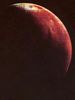
00-Mars.jpgMars, from "Mars 3": the Red Planet! (1)117 visiteL'idea di offrire ai nostri Amici Lettori una carrellata di immagini che mostrassero, in maniera adeguata, gli incredibili - anche se passati, in larghissima misura, sotto silenzio - successi del Programma Spaziale Sovietico, era già nelle nostre intenzioni da parecchio tempo.
Con oggi (2 Febbraio 2006) iniziamo a vedere qualcosa che, sebbene faccia ormai parte della Storia e non più dell'attualità, non potrà non stupire, sorprendere e meravigliare: l'Agenzia Spaziale Sovietica, sin dai primi Anni '60, era già estremamente evoluta (ben più della NASA), ma una impressionante serie di rovesci (alcuni dei quali così assurdi da far pensare al sabotaggio più che alla sfortuna...), unita ad una propaganda rivolta al "silenzio" e non alla "pubblicizzazione", la portarono a recitare, negli anni a venire, un mero ruolo di comprimaria nell'Avventura Spaziale.
|
|

07-C_Mars04_Panorama2.jpgMars panorama from Mars-4 (2)114 visiteTwo optical-mechanical linear cameras swept out panoramas of Mars as the spacecraft passed by.
These were very similar to cameras later flown on Venera-9 and 10 Orbiters, but one of the Mars versions had a photomultiplier tube sensitive to infrared.
Apparently, no infrared panoramas were received from Mars-4 or Mars-5.
|
|

Phobos2-C_Fobos_05.jpgPhobos, from Phobos-2 (5)108 visitenessun commento
|
|

Mars5-C_Mars05_6_Color2.jpgColor shots from Mars-5 (4 - Natural Colors; credits for the additional process. and color.: Dr Paolo C. Fienga - Lunexit Team)) 106 visiteUn tentativo di colorizzazione naturale, su un frame veramente "difficile" da interpretare.MareKromium
|
|

06-C_Mars04_Panorama1.jpgMars panorama from Mars-4 (1)105 visiteThe first in an armada of four spacecrafts launched in 1973, Mars-4 failed to enter orbit. During its flyby - on February 10, 1974 -, it returned 12 photographs from the 52mm "Vega" phototelevision camera, all through the red filter. It also returned 2 panoramas from the optical-mechanical cameras. Image data was returned digitally by pulse position modulation.
|
|

Mars5-C_Mars05_5_Color2.jpgColor shots from Mars-5 (3)105 visitenessun commento
|
|

Mars5-C_Mars05_Panorama3.jpgMars from Mars-5: Mars's limb and (maybe) clouds (1)104 visitenessun commento
|
|

Mars5-C_Mars05_Panorama5.jpgMars from Mars-5: Equatorial Regions104 visitenessun commento
|
|

Phobos2-C_Fobos_Mars.jpgMars, from Phobos-2104 visitenessun commento
|
|

04-C_Mars03_Mountains.jpgMars Mountains103 visiteContrary to some reports, the phototelevision cameras on Mars-3 were functional after the dust storm subsided, in December. At least four photographic surveys have been reported (December 12 and 14, February 28 and March 12). Images were returned by pulse-code modulation over the decimeter-band telemetry channel, after the centimeter-band pulse-position modulation system failed.
The decimeter transmitter suffered from intermittant failures and was used very cautiously. Only after important science data was gathered, a small number of images at LR were transmitted (using a 256-line mode). The color image of Mars (picture n. 1) is a composite from the 52 mm camera, using its program of cycling red, green and blue glass filters.
|
|
| 34 immagini su 3 pagina(e) |
2 |
|








