| Piú viste - Mars from Orbit (from July 2009) |
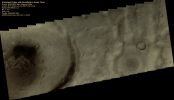
Craters-UnnamedCrater-Aonia_Terra-20091005a.jpgUnnamed Crater in Aonia Terra (False Colors; credits: Lunexit)57 visitenessun commentoMareKromium
|
|
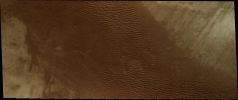
Dunes-TerraCimmeria-20091023a.jpgDunefield in Terra Cimmeria (Natural Colors; credits: Lunar Explorer Italia)57 visiteCoord.: 61,3° North Lat. and 164,4° East Long.MareKromium
|
|

Channel-CoracisFossae-BosporusPlanum-20091106a.jpgDry Riverbed and a possible Skylight (or an EXTREMELY fresh Impact Crater) between Coracis Fossae and Bosporos Planum (CTX Frame - Natural Colors; credits: Lunexit)57 visitenessun commentoMareKromium
|
|

Craters-Unnamed_Crater-Vastitas_Borealis-PIA08475-01.jpgUnnamed Crater with frosted Rim... (Absolute Natural Colors; credits for the additional process. and color.: Dr Paolo C. Fienga - Lunexit Team)57 visitenessun commentoMareKromium
|
|
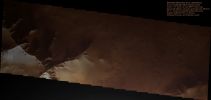
Valles_Marineris-20071228a-PCF-LXTT.jpgBetween Marineris and Labyrinthus... (Darkened Natural Colors; credits for the additional process. and color.: Dr Paolo C. Fienga - Lunexit Team)57 visiteDa ammirare, a nostro avviso, la "resa visiva" del contrasto fra zone esposte alla luce diretta del Sole, le zone in penombra e le zone in ombra (come quelle alle spalle della montagna che domina la porzione Sx del frame).
Ricordate, poi, che la Regola Aurea della fotografia spaziale recita quanto segue: "Quanto più il contrasto fra zone in luce e zone in ombra è netto, tanto minore è l'influenza dell'Atmosfera su quanto ripreso".
In questo frame, come in molti altri, il "contrasto" c'è, ma NON così netto come si vorrebbe (questa, almeno, è la nostra opinione).MareKromium
|
|
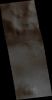
Gullies-ArgyrePlanitia-PIA12408.jpgDeep Gullies on the Western Rim of Argyre Basin (Natural Colors; credits: Dr Paolo C. Fienga - Lunexit Team)57 visiteThe Gullies seen in this VIS image are located on the Western Rim of the Argyre Basin.
Coord.: 47,6 ° South Latitude and 305,2° East Longitude
Resolution: approx. 40 meter/pixel.MareKromium
|
|
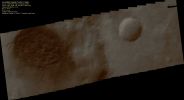
Craters-Unnamed_Crater-PIA12431.jpgDunefield (Natural Colors; credits: Dr Paolo C. Fienga - Lunexit Team)57 visitenessun commentoMareKromium
|
|

Channels-Hephaestus_Fossae-20100111a.jpgHephaestus Fossae (Natural Colors; credits: Dr Paolo C. Fienga - Lunexit Team)57 visiteThe Channels visible in this VIS image are called "Hephaestus Fossae" and were most likely formed by Lava Flows and Eolian Erosion, rather than Water Erosion.
MareKromium
|
|
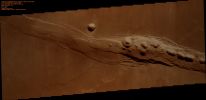
Volcanoes-AlbaMons-20100108a-1.jpgFlows and Collapse Pits on the S/W Flank of Alba Mons (Strongly Enhanced Natural Colors; credits: Dr Paolo C. Fienga - Lunexit Team)57 visitenessun commentoMareKromium
|
|
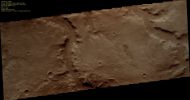
Channels-Naktong_Vallis-PIA12419-PCF-LXTT.jpgNaktong Vallis, on Martian Equator (Natural Colors; credits for the additional process. and color.: Dr Paolo C. Fienga - Lunexit Team)57 visitenessun commentoMareKromium
|
|
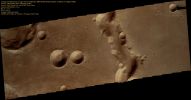
Channels-Nirgal_Vallis-20100107a.jpgFeatures of Nirgal Vallis (Natural Colors; credits: Dr Paolo C. Fienga - Lunexit Team)57 visitenessun commentoMareKromium
|
|
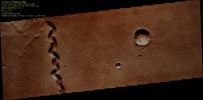
Trough-Patapsco_Vallis-PIA12455.jpgZig-Zagging Trough (Natural - but enhanced - Colors; credits: Dr Paolo C. Fienga - Lunexit Team)57 visitenessun commentoMareKromium
|
|
| 1003 immagini su 84 pagina(e) |
 |
|
|
|
|
69 | |
|
|
|
|





