| Piú viste - From Ashes to Eternity: the Phoenix Mars Mission |

PHOE-SOL050-3-lg13443-13446-13448.jpgThe Surface of Vastitas Borealis - Sol 50 (Superdefinition; credits: Dr G. Barca)63 visitenessun commentoMareKromium
|
|

PHOE-SOL048-lg12756-12757-12758.jpgVastitas' Permafrost - Sol 48 (Superdefinition + MULTISPECTRUM; credits: Dr G. Barca & Lunexit)63 visitenessun commentoMareKromium
|
|

PHOE-SOL045-PIA11007.jpgFull-circle panorama (Approx. True Colors - credits: NASA)63 visiteCaption NASA:"This view combines more than 400 images taken during the first several weeks after NASA's Phoenix Mars Lander arrived on an arctic plain at 68,22° North Lat., 234,25° East Long. on Mars.
The full-circle panorama in approximately true color shows the polygonal patterning of ground at the landing area, similar to patterns in permafrost areas on Earth. The center of the image is the westward part of the scene. Trenches where Phoenix's robotic arm has been exposing subsurface material are visible in the right half of the image. The spacecraft's meteorology mast, topped by the telltale wind gauge, extends into the sky portion of the panorama.
This view comprises more than 100 different camera pointings, with images taken through three different filters at each pointing. It is presented here as a cylindrical projection".MareKromium
|
|
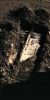
PHOE-SOL032-lg8077-8078-8079_copia2.jpgThe "Trench" - Sol 32 (natural colors; credits: Dr G. Barca)62 visitenessun commentoMareKromium
|
|
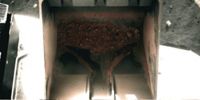
PHOE-SOL035-lg8615-8616-8617.jpgScooping Away! - Sol 35 (natural colors + MULTISPECTRUM; credits: Dr G. Barca & Lunexit)62 visitenessun commentoMareKromium
|
|
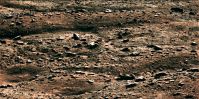
PHOE-SOL037-lg9249-9251-9263.jpgColor Differences... - Sol 37 (credits: Dr G. Barca & Lunexit)62 visitenessun commentoMareKromium
|
|

PHOE-SOL038-2.jpgPossible "Audio Signals" from Vastitas Borealis - Sol 38 (credits: Dr M. Faccin)62 visitenessun commentoMareKromium
|
|
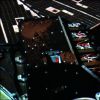
PHOE-SOL039-lg9922-9929-9930.jpgSolar Panels and Scoop - Sol 39 (natural colors; credits: Dr G. Barca)62 visitenessun commentoMareKromium
|
|
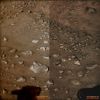
PHOE-SOL039-lg9948-9955-9956-2.jpgColor Techniques' Comparison - Sol 39 (credits: Dr G. Barca - Sx - and Lunexit - Dx)62 visitenessun commentoMareKromium
|
|
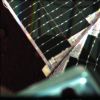
PHOE-SOL038-lg9732-9733-9734-2.jpgSolar Panels and Ground - Sol 38 (natural colors; credits: Dr G. Barca)62 visitenessun commentoMareKromium
|
|

PHOE-SOL038-lg9714-9715-9716.jpgFrozen Landing Pad - Sol 38 (natural colors; credits: Dr G. Barca)62 visitenessun commentoMareKromium
|
|
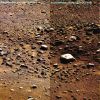
PHOE-SOL039-lg_10211-3.jpgColor Techniques' Comparison - Sol 39 (credits: Dr M. Faccin - Sx - and Lunexit - Dx)62 visiteUn nuovo esempio di comparazione fra tecniche di colorizzazione. Nella porzione di Sx del frame, il Lavoro in Superdefinizione ed estrazione dei colori (dunque "colori naturali") operato dal Dr Faccin e, nella parte di Dx, il resto del frame così come appare DOPO il "trattamento addizionale MULTISPECTRUM".
La differenza che ne deriva è, a nostro parere, molto evidente, ma Vi preghiamo - come sempre - di non ragionare in termini di "più bello" o "più brutto". La differenza tra le due elaborazioni, se la vogliamo riassumere nel modo più semplice possibile, è questa: la Superdefinizione, con l'estrazione dei colori naturali del frame NASA-RAW, ci fa vedere il paesaggio così come lo vede la fotocamera di Phoenix; il trattamento addizionale che abbiamo chiamato MULTISPECTRUM, invece, ci mostra il paesaggio così come lo vedrebbe un occhio umano.
Ricordate: le fotocamere di Phoenix (come dei MER Spirit ed Opportunity), raccolgono molta più luce di quanta ne raccolga l'occhio umano e, allorchè munite dei filtri adatti, colgono colorazioni e sfumature che alla nostra vista sono precluse. Il risultato, come si vede benissimo in questo montaggio, è che la "vista della fotocamera" è più acuta, più colorata, più definita e più luminosa, mentre la vista "umana" ci mostra il paesaggio con tinte più morbide ed uniformi, leggermente meno definite e meno luminose.
Questo paragone, come ovvio, non vuole dimostrare nulla, se non una cosa: le elaborazioni NASA in "approximate colors", NON mostrano il paesaggio nè in accordo ad una visione - diciamo così - "meccanica" (quella della fotocamera), nè in accordo ad una ideale - ma ragionevole - visione "umana".
Marte NON E' MONOCROMATICO!!!MareKromium
|
|
| 399 immagini su 34 pagina(e) |
 |
|
|
|
|
|
|
|
|
33 |
|








